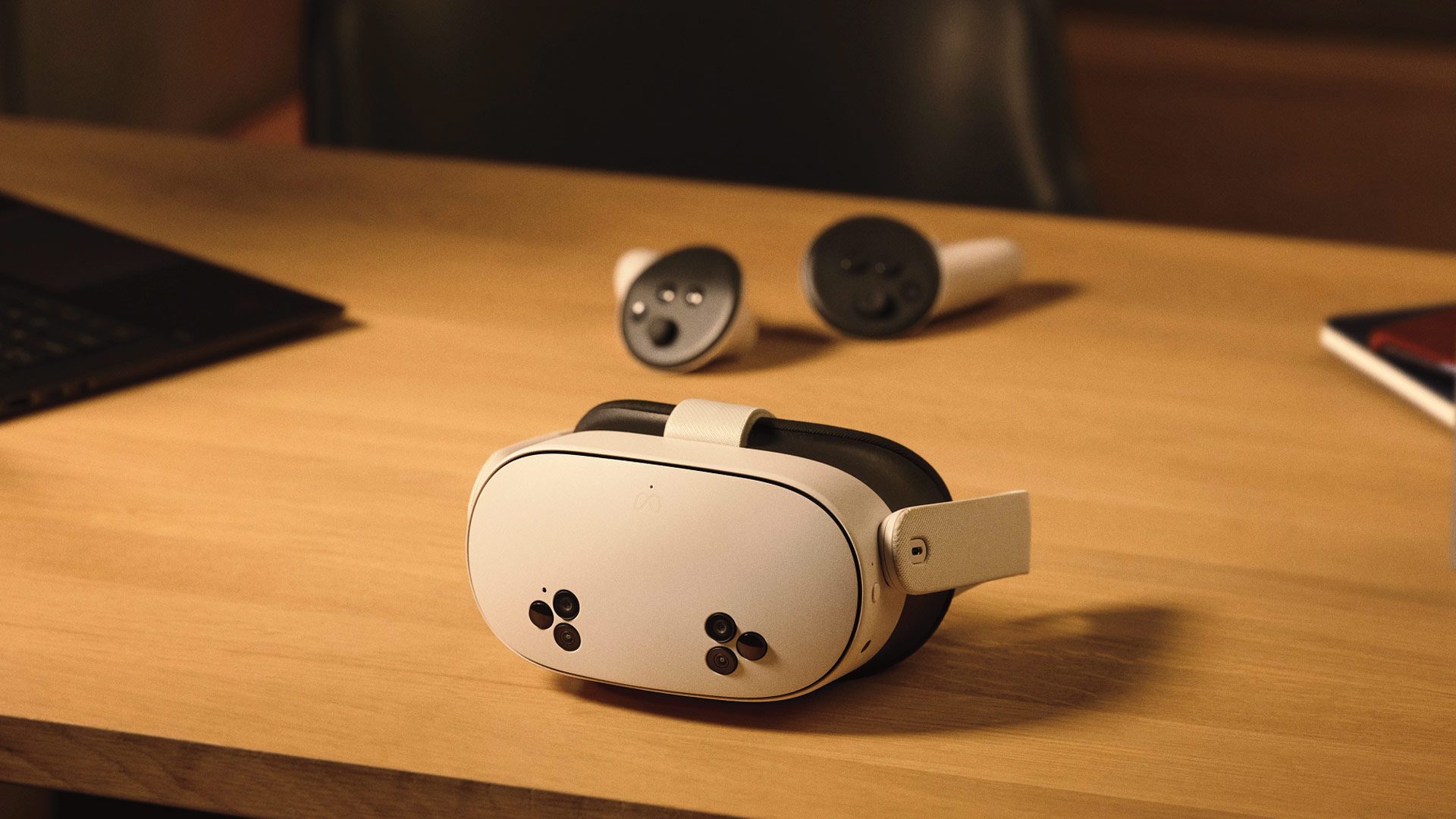
Meta launched a new developer competition through its Horizon Start program, which could net eligible XR dev teams a good slice of its $1.5 million prize pool.
The News
Meta’s latest dev competition is seeking to spark “innovative, immersive experiences for Meta Horizon OS,” which will see teams and individual developers compete for a share of $1.5 million in prizes, distributed across 32 award categories.
Now live until December 9th, the nearly month-long competition allows Horizon Start members to submit new apps, as well as existing apps with “significant updates introduced specifically for this competition.”
Prize tracks include three main categories: Entertainment, Lifestyle, and Gaming. Here’s how Meta describes it in the competition’s rules.
- Entertainment: Reimagine how users consume or watch content, making it more immersive and interactive.
- Lifestyle: Enhance peoples’ daily lives, how they get things done, learn new skills, and connect with others around shared interests.
- Gaming:
- Casual Games: Accessible, single-player games designed for quick, engaging fun.
- Social Games: Multiplayer experiences that connect people in real time to play a game together.
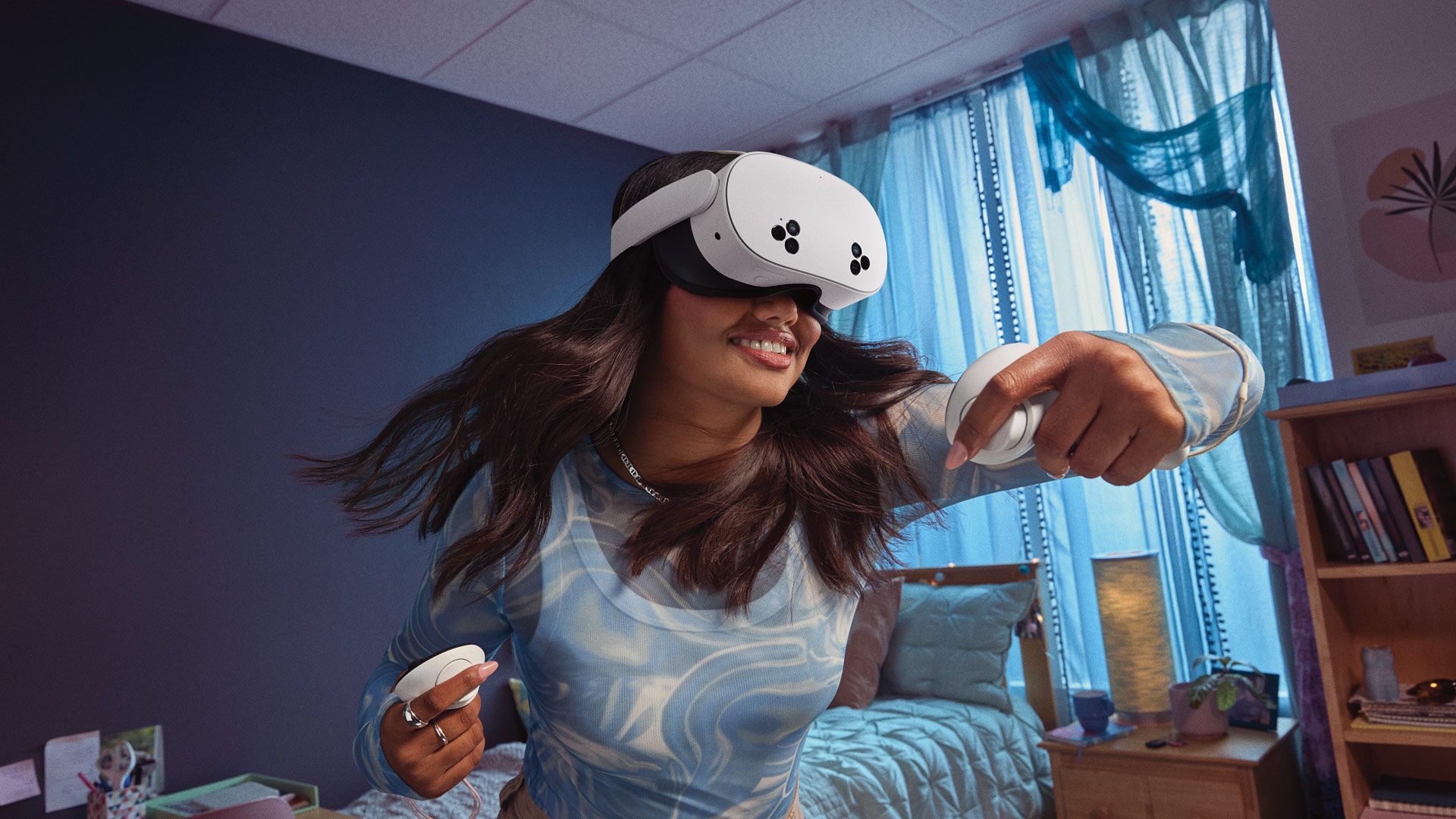
Meta is also pitching a series of awards for specific areas, including hand interactions, camera passthrough, Meta Spatial SDK, Immersive Web SDK, React Native, and Android development.
Notably, according to the competition’s terms and conditions, all entries and projects “remain the intellectual property of the individuals or Organizations that developed them.”
This doesn’t imply platform exclusivity, although entrants are likely to integrate Meta software into their projects, which could naturally present challenges when porting to other platforms despite not being outright forbidden.
Platform exclusivity would only come if teams accept later Meta funding, which requires a separate contract, which could include exclusivity, timed or otherwise. Moreover, the contest specifically says your entry “must not have previously received or currently be receiving direct funding from Meta.”
Meta is scheduled to judge entries before December 19th, with the winners set to be announced on or around December 23rd, 2025. Interested teams can find out more information on apply here.
My Take
Meta has held a number of similar competitions in the past, which are essentially month-long dev jams targeting casual content—a pretty common strategy to reward devs for using Quest hardware in unique and interesting ways.
But now, it’s pretty clear to me where Meta’s priorities lie. Big, expensive single-player games are on the way out, and casual, more social stuff is now the best-performing content on the Quest Store.
While I didn’t think it was enough for a standalone article, in a recent Meta developer blog post, Japan-based XR veteran MyDearest detailed their pivot from premium narrative experiences to more casual content.
“A shrinking number of players were seeking cinematic VR epics,” the post narrates, recounting the pivot. “The landscape was shifting towards chaotic experiences that were easy to pick up, and shareable with friends. If MyDearest was going to survive, it would need to evolve — and fast. What followed was nothing short of a complete rethinking of how to build and launch games in the modern VR era.”
And that modern VR era (as defined by Meta) is now heavily focused on reaching younger users and mainstream consumers, which has consequently allowed free-to-play content to flourish. Maybe not at the complete detriment of single-player epics, but enough to sway third-party studios to think twice before committing to big budgets and long development cycles.
Samantha Ryan, Meta’s VP of Metaverse Content, explained earlier this year that Quest is essentially a “social-first platform”, which seems to be to be a fairly clear message to developers building XR experiences.
“We’re building a social-first platform, and these younger users are more likely to spend time with friends in multiplayer experiences and social hangout apps,” Ryan said. “They’re contributing to the rise of free-to-play titles — a pattern historically common on other platforms. We’re also seeing growth of younger users in Horizon Worlds.”
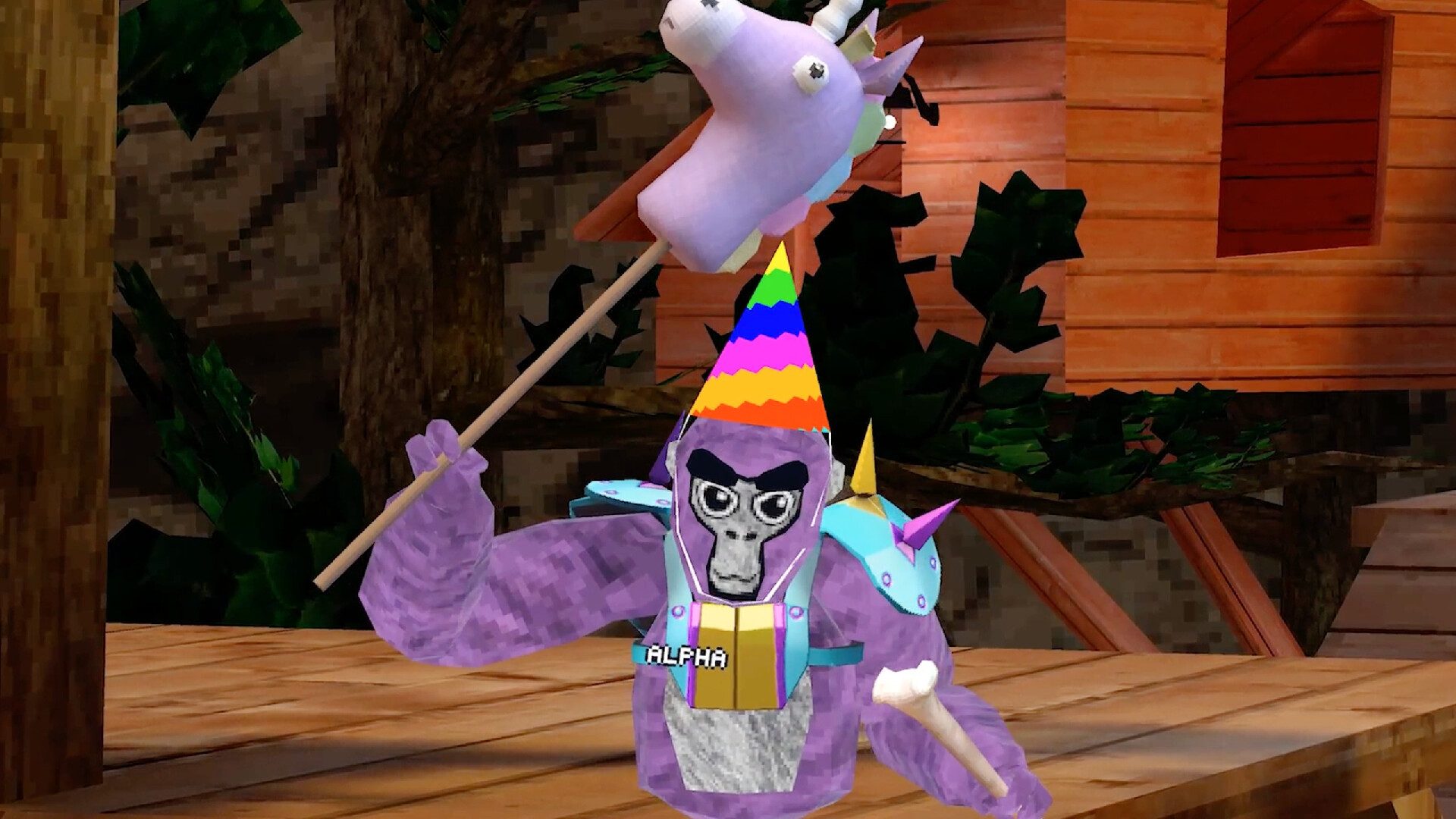
While Ryan doesn’t expect free-to-play content to replace premium apps, the revenue generated by in-app purchases is undoubtedly alluring. And Another Axiom’s breakout VR game Gorilla Tag (2022) has lead the way.
In June 2024, the studio announced it had topped $100 million in gross revenue, which was generated primarily through in game cosmetics. It’s the sort of revenue that can turn any small-concept project into a massive cash engine and engagement driver.
That said, dev competitions typically aren’t charities. From Meta, XR’s biggest platform holder, I see it more as a way of indirectly shaping third-party studios and indies, and getting them to make what the platform needs next. And by that maximum, it seems Quest needs more casual gaming, more casual entertainment, and more daily lifestyle apps.