Google announced a multiyear extension to its partnership with AR glasses maker XREAL, positioning it as a lead hardware partner for the Android XR ecosystem.
The News
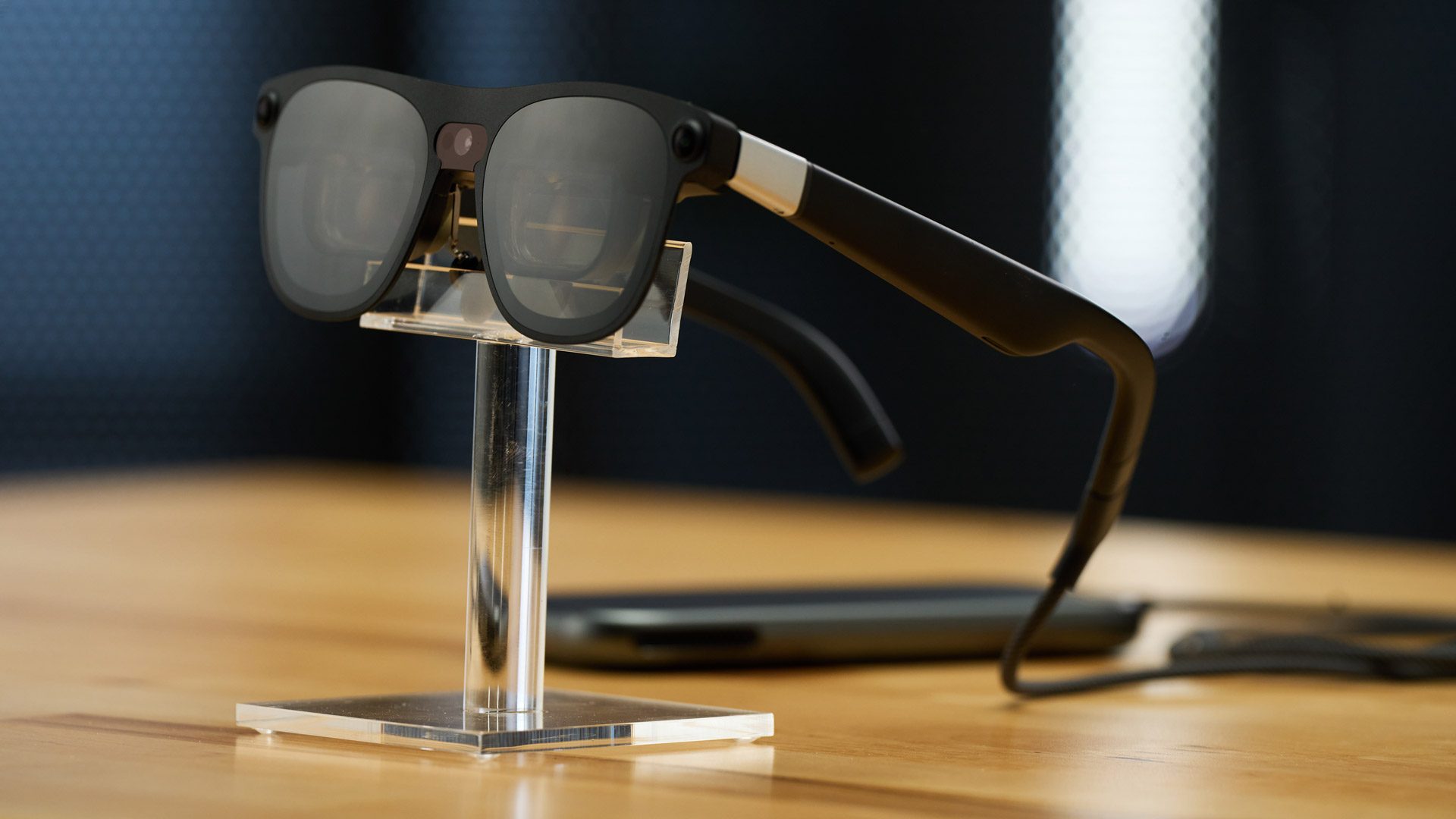
XREAL Project Aura is an Android XR-based pair of AR glasses which is due to ship sometime this year.
Combining a 70° field of view with an optical see-through display, the device is powered by an X1S chip in the glasses themselves and a Snapdragon XR2+ Gen 2 in the separate compute puck, enabling 6DoF tracking, hand and eye0tracking, and Google Gemini integration.
Ahead of its 2026 rollout, Google announced it’s strengthening its partnership with the Beijing, China-based XR glasses maker.
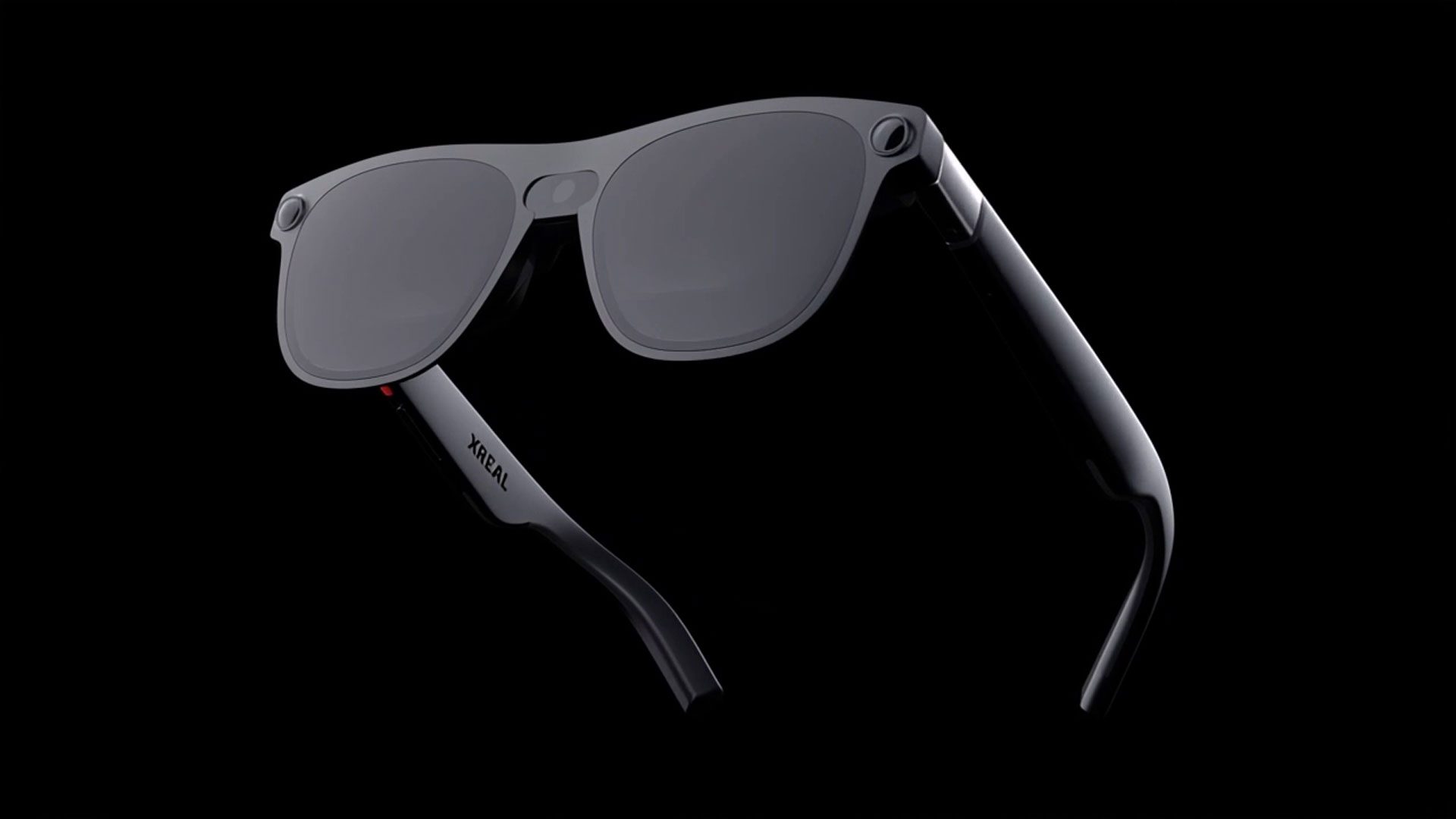
The companies say in a press statement that the deepened collaboration “aligns XREAL’s long-term hardware roadmap with the Android XR platform,” noting that Google and XREAL will collaborate on bringing Android XR to optical-see-through devices, like wired XR glasses.
Notably, XREAL Aura is set to be the first pair of see-through AR glasses to run Android XR, which serves up an impressively compact form factor thanks to offloading a fair bit of weight to the external compute/battery puck, which can slip into your pocket.
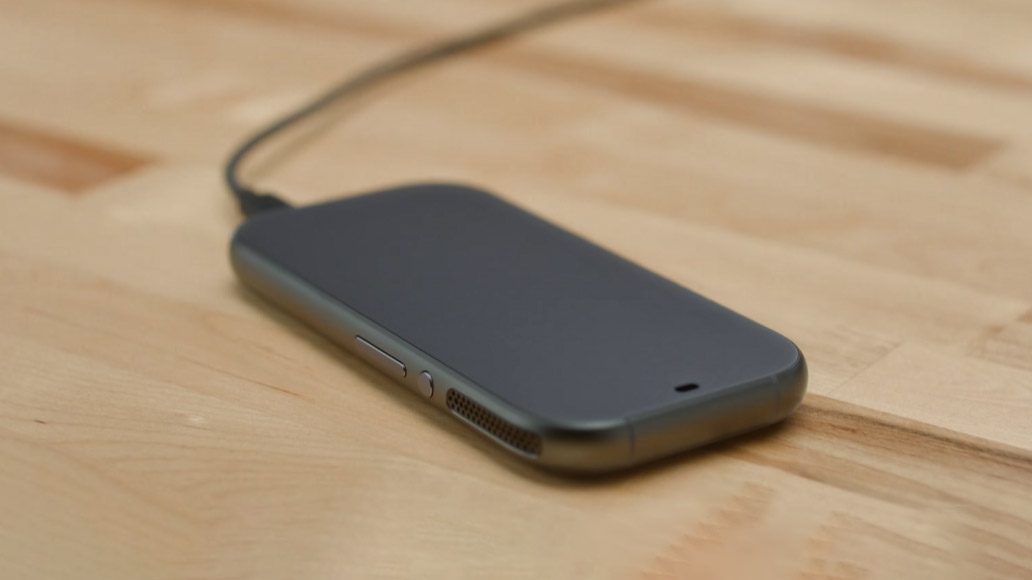
“Interestingly, the puck looks like the size and shape of a typical smartphone, but instead, the entire screen area is a giant trackpad which can be used for mouse-like input in addition to hand-tracking,” Road to VR’s Ben Lang says in a hand-on with the device.
We still don’t know when Project Aura will launch, however Google says we should learn more later this year.
Additionally, At CES 2026 this week, XREAL announced it was working with ASUS Republic of Gamers (ROG) on a pair of AR glasses for traditional gaming, which boast an impressive 240Hz refresh rate.
My Take
Google has been working on XR for years now; it has dedicated in-house hardware teams which have been bolstered by HTC’s XR engineering talent—acquired in early 2025.
That said, with the mounting pressure from competitors like Meta to own a large market share of the coming AR ecosystem, it’s more than a bit surprising to see that Google is leaning so heavily on an external partner for its initial push into consumer AR glasses.
Then again, you might say the same with its rollout of Samsung Galaxy XR in October 2025, the first VR headset to adopt Android XR. Still, standalone XR has a proven track record—Quest 3, Apple Vision Pro, Pico 4, etc—that, and Google/Samsung’s longstanding relationship makes things feel decidedly less experimental as a result.
More likely: Google still isn’t ready to swing its full weight into XR right now, as they seem happier to let hardware partners take the bulk of the risk in proving out the market. Once signs are clear that AR is big enough, Google may even launch their own first-party XR hardware—or maybe even acquire XREAL if things shake out the way they hope.