Apple may be preparing to release its long-rumored M5 hardware refresh of Vision Pro, according to new certification tests filed with the US Federal Communication Commission (FCC).
The News
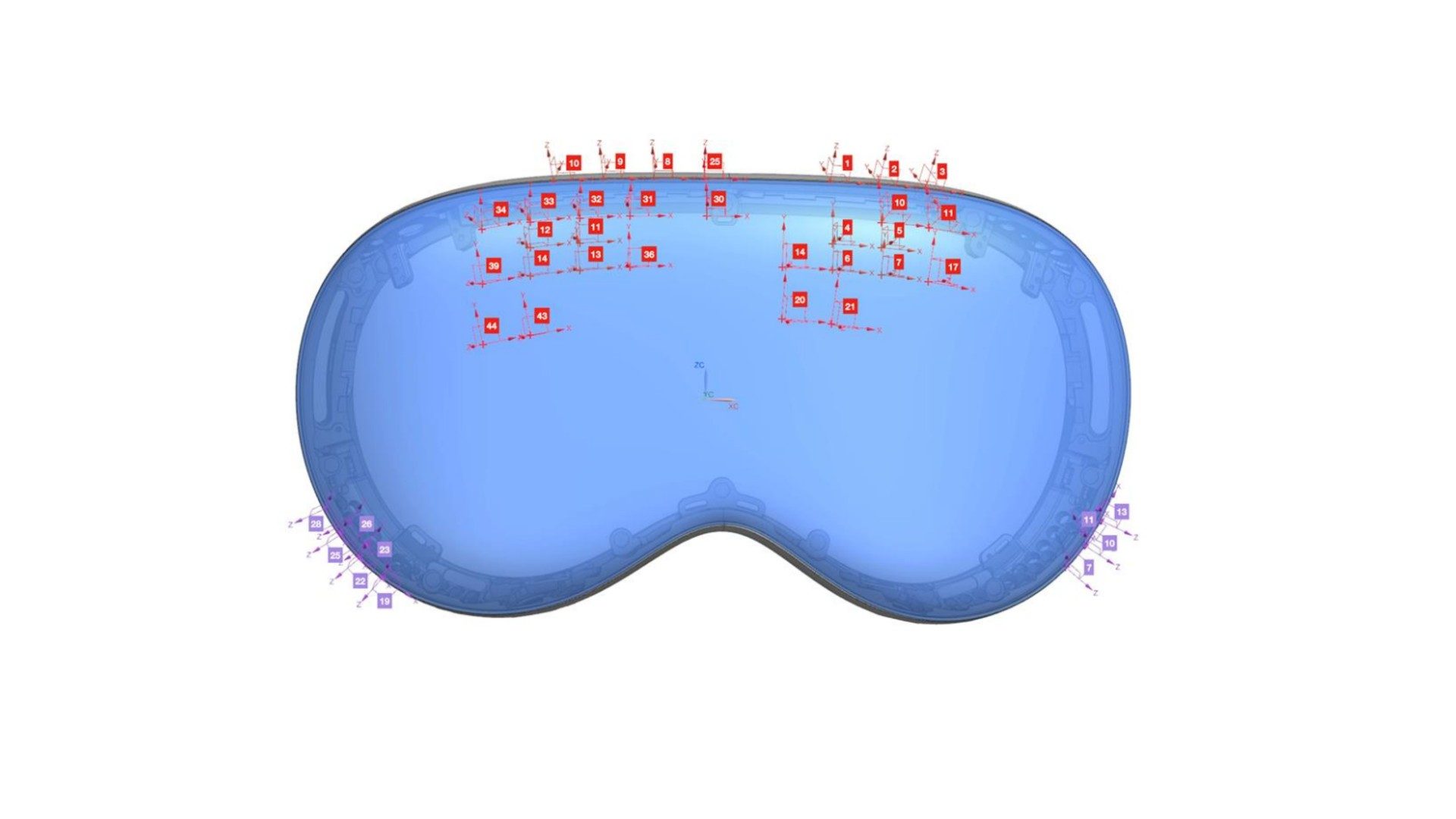
As first spotted by MacRumors, Apple’s next Vision Pro seems to be right around the corner, as the FCC has published a trove of transmission tests, SAR test reports, and WLAN test reports for a new “Head Mounted Device” from Apple.
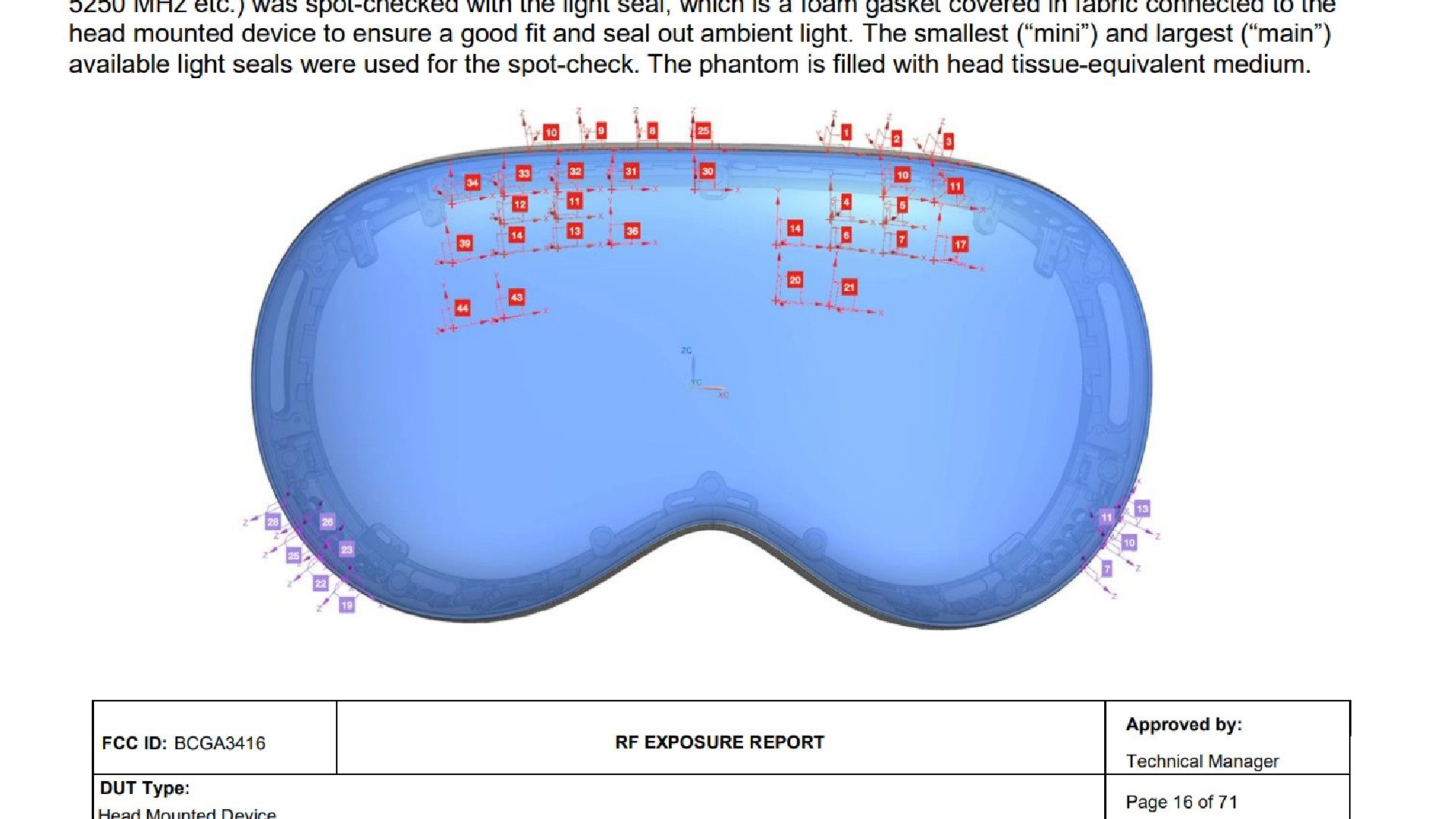
The FCC documents in question don’t include any specs as such, however they do include a single image that seems to confirm the device is Apple’s next Vision Pro, and not, say, a pair of smart glasses.
This follows a leak in August, which seemingly confirmed that Vision Pro isn’t getting a massive overhaul, instead pointing to a hardware refresh that could feature Apple’s upcoming M5 chipset, according to code shared by Apple and discovered by MacRumors.
The report also suggested that the new Vision Pro hardware refresh “isn’t expected to feature any design changes or hardware updates aside from the new chip,” although it could feature a new, more comfortable head strap.
My Take
The inclusion of M5 alone doesn’t feel like a massive overhaul, although it is a fair leap in chipset generations. Released in February 2024 for $3,500, the original Apple Vision Pro was saddled with the then two year-old M2—still the most powerful consumer standalone to date, but just not one on par with the rest of its ‘Pro’ lineup at the time.
Notably, despite having access to almost all iPad apps in addition to built-for-XR apps of its own, Vision Pro (M2) doesn’t run some of the most requested productivity apps natively, like Final Cut Pro or Logic Pro. There’s no guarantee the new hardware refresh will either, but it could do a few things.
Provided we’re getting what’s reported (no more, no less), that essentially puts Vision Pro on par with the rest of Apple’s core products. It could allow developers to build apps that perform consistently across all of the reported ‘Pro’ Mac and iPad devices coming with M5, new Vision Pro included.
As Road to VR reader Christian Schildwaechter points out in the comments of the initial report, the M5 Vision Pro refresh might actually be a distinctly pragmatic move by Apple though, and less about enabling more powerful apps for prosumers, making it more of a stopgap measure.
As Schildwaechter puts it, “most users won’t benefit from an M5. Enterprise customers creating inhouse apps will be happy about the extra performance, but developers targeting consumers probably won’t bother with it.”
So, Apple could be killing two birds with one stone. Hypothetically, the company can flush its stock of Vision Pro parts and plonk in the new M5 to keep enterprise buyers engaged until the company releases its first real headset targeted squarely at consumers.
As reported by independent analyst Ming-Chi Kuo, Apple’s next big XR push could be a cheaper and lighter version expected to release in 2027, called ‘Vision Air’. Kuo maintains Vision Air will be “over 40% lighter and more than 50% cheaper” than the current Vision Pro, making it around 350g and less than $1,750.
Questions worth some healthy speculation and rapid fire answers: When is the M5 Vision Pro coming?—possibly in the October/November timeframe alongside its new new MacBook Pro M5 model release. How much will it cost?—likely nothing short of the $3,500 if Apple is, you know, still Apple.