
Google Extends Hardware Partnership with XREAL, Positioning AR Glasses Maker as Android XR Leader

4

Google announced a multiyear extension to its partnership with AR glasses maker XREAL, positioning it as a lead hardware partner for the Android XR ecosystem.

The News

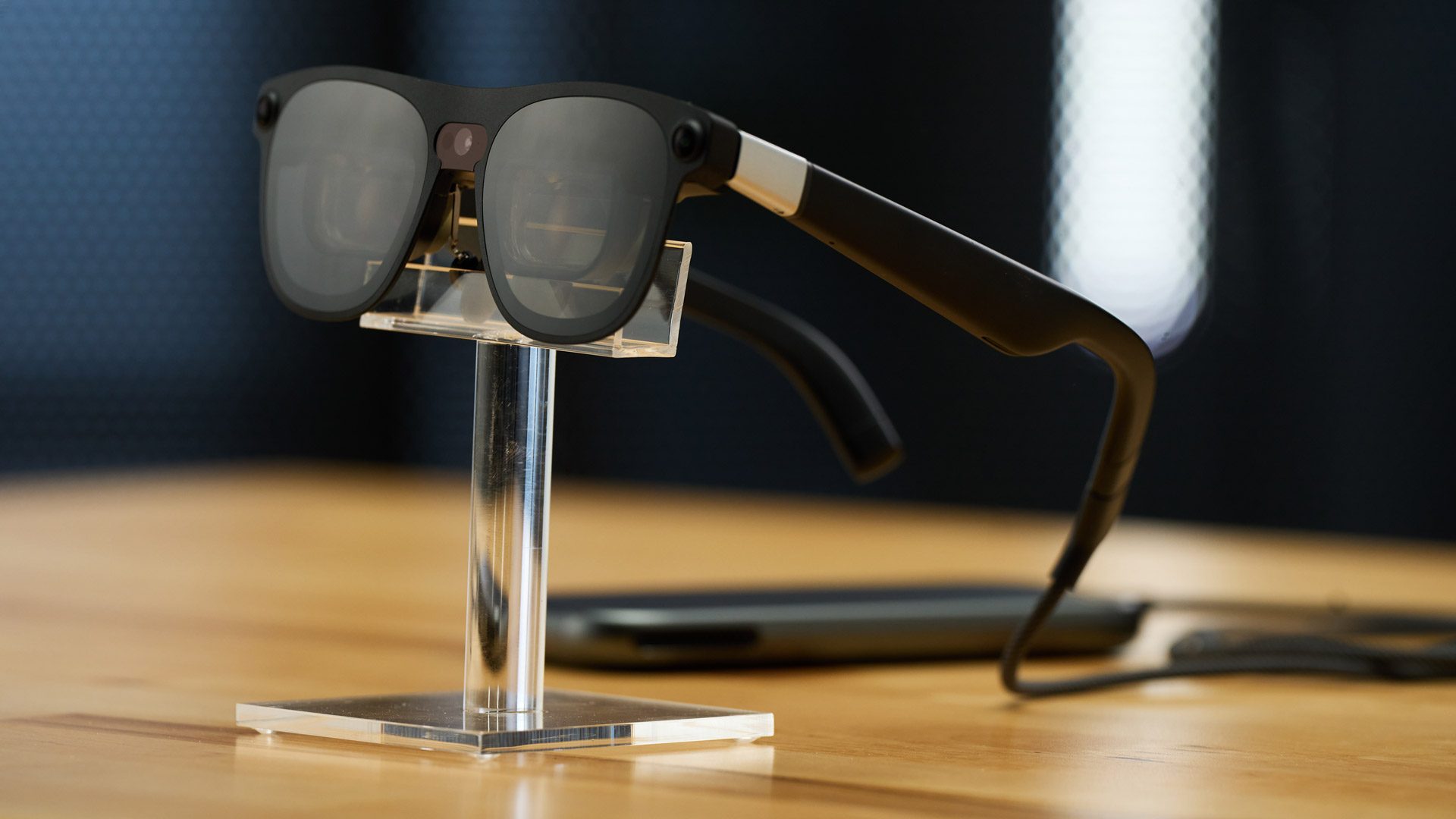
XREAL Project Aura is an Android XR-based pair of AR glasses which is due to ship sometime this year.

Combining a 70° field of view with an optical see-through display, the device is powered by an X1S chip in the glasses themselves and a Snapdragon XR2+ Gen 2 in the separate compute puck, enabling 6DoF tracking, hand and eye0tracking, and Google Gemini integration.

Ahead of its 2026 rollout, Google announced it’s strengthening its partnership with the Beijing, China-based XR glasses maker.
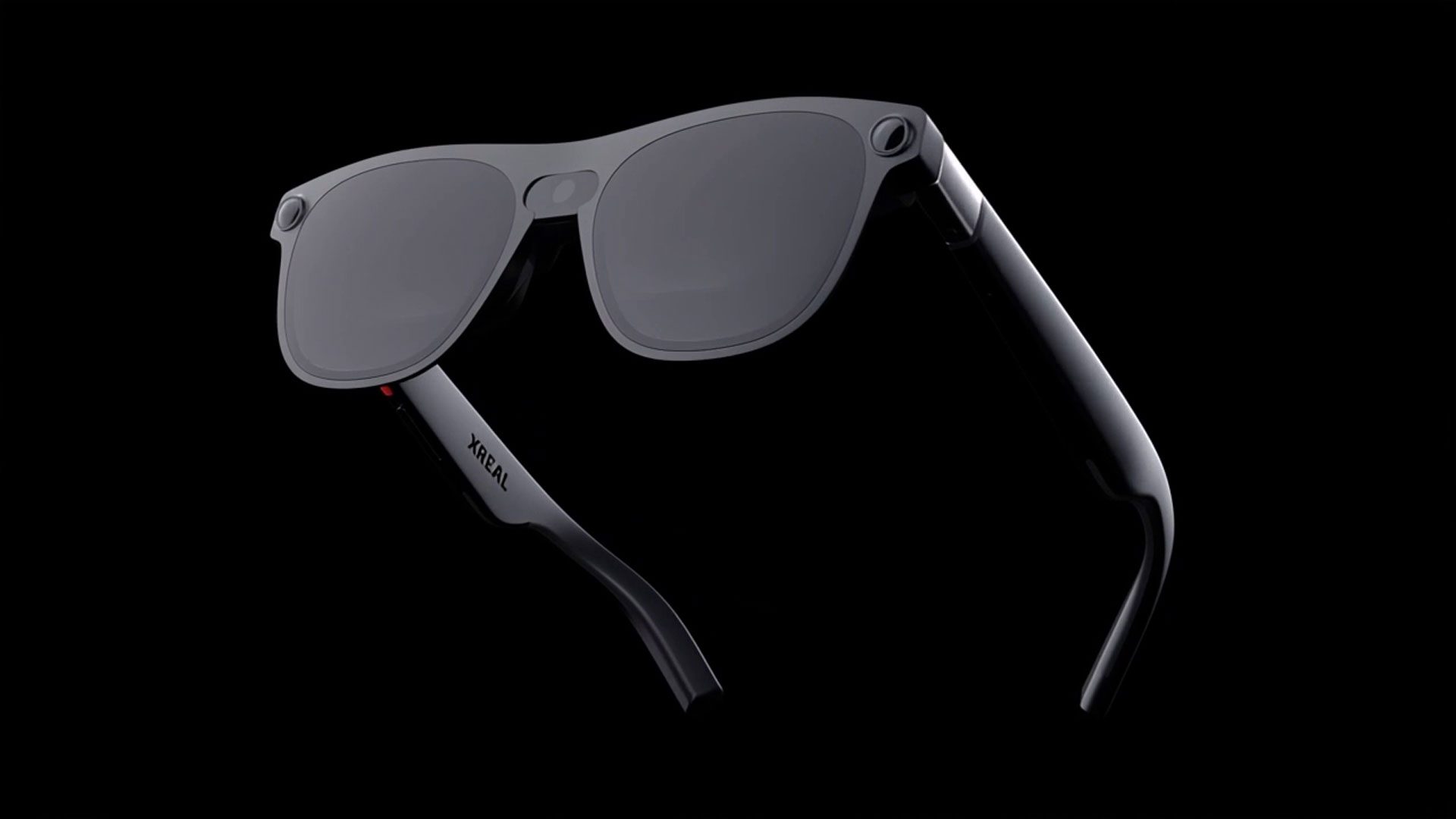
Image courtesy XREAL

The companies say in a press statement that the deepened collaboration “aligns XREAL’s long-term hardware roadmap with the Android XR platform,” noting that Google and XREAL will collaborate on bringing Android XR to optical-see-through devices, like wired XR glasses.

Notably, XREAL Aura is set to be the first pair of see-through AR glasses to run Android XR, which serves up an impressively compact form factor thanks to offloading a fair bit of weight to the external compute/battery puck, which can slip into your pocket.
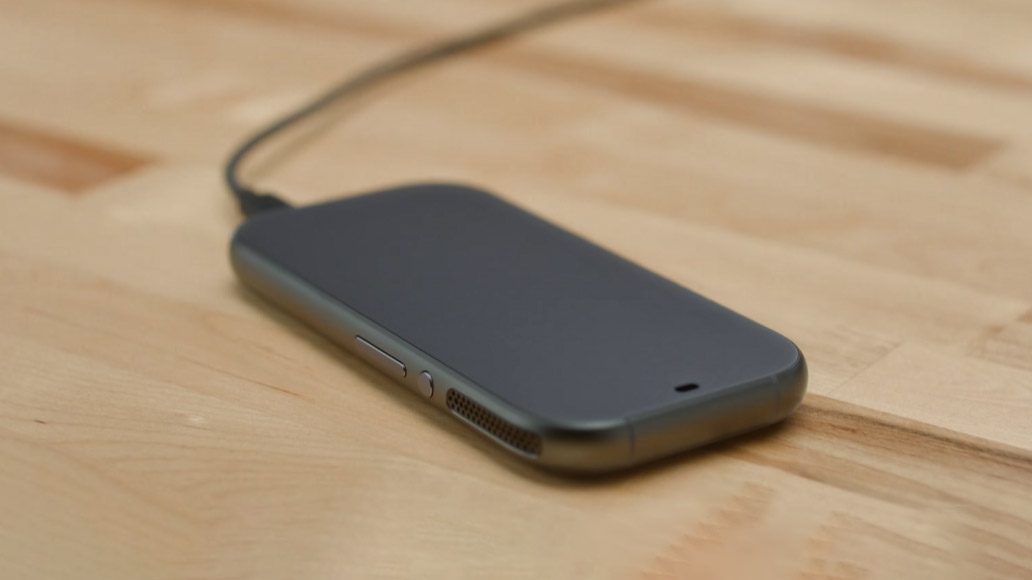
Image courtesy Google

“Interestingly, the puck looks like the size and shape of a typical smartphone, but instead, the entire screen area is a giant trackpad which can be used for mouse-like input in addition to hand-tracking,” Road to VR’s Ben Lang says in a hand-on with the device.

We still don’t know when Project Aura will launch, however Google says we should learn more later this year.

Additionally, At CES 2026 this week, XREAL announced it was working with ASUS Republic of Gamers (ROG) on a pair of AR glasses for traditional gaming, which boast an impressive 240Hz refresh rate.

SEE ALSO
NBA Announces Full Schedule for Immersive Lakers Games on Apple Vision Pro

My Take

Google has been working on XR for years now; it has dedicated in-house hardware teams which have been bolstered by HTC’s XR engineering talent—acquired in early 2025.

That said, with the mounting pressure from competitors like Meta to own a large market share of the coming AR ecosystem, it’s more than a bit surprising to see that Google is leaning so heavily on an external partner for its initial push into consumer AR glasses.

Then again, you might say the same with its rollout of Samsung Galaxy XR in October 2025, the first VR headset to adopt Android XR. Still, standalone XR has a proven track record—Quest 3, Apple Vision Pro, Pico 4, etc—that, and Google/Samsung’s longstanding relationship makes things feel decidedly less experimental as a result.

More likely: Google still isn’t ready to swing its full weight into XR right now, as they seem happier to let hardware partners take the bulk of the risk in proving out the market. Once signs are clear that AR is big enough, Google may even launch their own first-party XR hardware—or maybe even acquire XREAL if things shake out the way they hope.

This article may contain affiliate links. If you click an affiliate link and buy a product we may receive a small commission which helps support the publication. See here for more information.

Well before the first modern XR products hit the market, Scott recognized the potential of the technology and set out to understand and document its growth. He has been professionally reporting on the space for nearly a decade as Editor at Road to VR, authoring more than 4,000 articles on the topic. Scott brings that seasoned insight to his reporting from major industry events across the globe.
  • Rogue Transfer

    I can see a future where the puck becomes a console-like input device – with an analogue disk and physical buttons & triggers – without a display; and a central touchpad. It would maximise utility for traditional gaming – could even have Switch-like, detachable motion controllers for modern gaming in XR.

    Sacrificing the display from the main puck helps reduce heat and increase battery life and performance potential.

    The next few years are going to see an interesting transition away from the smartphone as combined display & input. As well as the beginning of the end to the mobile display vertical form-factor and spaced-out UI design, as giant virtual monitors & eye-tracking will offer so much more scope.

    • rabs

      Well XReal and other HMD glasses can be plugged on a Steam Deck or whatever since the beginning.

      There is also the Tecno Pocket Go, a handheld PC shaped like a (big) controller, without a display. Though I didn't follow how it did.

      Anyway Google software stack and this XReal device should be more than that and tightly integrated. Some real AR probably.

      • Christian Schildwaechter

        TL;DR: Asus, who already offer gaming handhelds, now also releasing XREAL glasses provides them with a virtual screen alternative to a Valve Frame paired with SteamOS handhelds for a portable large screen (flat) gaming solution.

        It is kind of interesting that Asus just announced their ROG XREAL R1 1080p glasses based on XREAL glasses, as one of the intended uses will very likely be for their ROG Xbox Ally gaming handheld. While Lenovo as Meta's second former partner for Horizon OS HMDs partnered with Valve and offered SteamOS on their Legion Go S handheld, Asus deepened their cooperation with Microsoft and released the first handheld that directly boots into the Xbox app in a more gaming optimized Windows version.

        According to Valve engineers the Steam Frame will perform roughly as fast as the 2020 Steam Deck with emulated x86 games. Anybody wanting to run (flat) games requiring more performance will have to stream them from a PC or Steam Machine or a handheld with more performance then the Steam Deck itself. I'd fully expect Valve to offer a number of improvements/optimizations when streaming from a SteamOS device to the Frame, so Lenovo should have quite some advantage with the currently fastest SteamOS handheld that could provide a truly mobile solution when paired with Frame.

        Asus now partnering with Xreal wouldn't give them exactly the same, but with both Frame plus Lenovo Go S and the ROG XREAL R1 plus ROG Xbox Ally you end up with an HMD usable as a large virtual full HD display for a quite powerful handheld with a rich set of inputs, both optimized for that specific combination. I doubt that the just announced Frame had much to do with the cooperation between Asus and XREAL that most likely started much earlier, it is more lucky timing.

  • Christian Schildwaechter

    I was curious how many units XREAL as the apparent market leader for see-through birdbath HMDs (tethered to PCs/smartphones/Steam Decks) has sold in comparison to VR/XR HMDs or smartglasses.

    – 2023-05: 150K
    – 2023-07: 200K
    – 2024-01: 350K
    – 2025-06: 600K
    – 2025-07: 700K

    They shipped their first model in 2020, still under the name Nreal, and have released a total of seven models since then. It's not completely clear if the numbers above include the first two Nreal models, or only those released under the Xreal name after the company changed its name (they got in trouble with Epic who thought it was to close to Unreal). Some sources set the launch of their glasses as 2023, the year of the rename. So the total numbers might be slightly higher, but they roughly doubled sales each year since 2023. As the 2026 Aura will be their first AI standalone (with compute puck) smartglasses, future prices/sales might go either up or down.

    700K so far would be about as much as (estimated) total sales for the tethered Oculus Rift CV1 or HTC Vive, but less than the Oculus Go (~ 2M) or Quest 1 (~ 1M), and a lot less than Quest 2 (20M+). In smartglasses Meta currently holds about 70% of the market, and over several years had sold 2M+ by 2025-02, with sales tripling in Q2 2025 alone, aiming for 5M by late 2025. Total sales estimates for all smartglasses vendors by late 2026 are 13M, growing by ~150% per year, so faster than Xreal. Of course there are no official sales numbers from anyone anywhere. so everything above is based on estimates from different sources.