
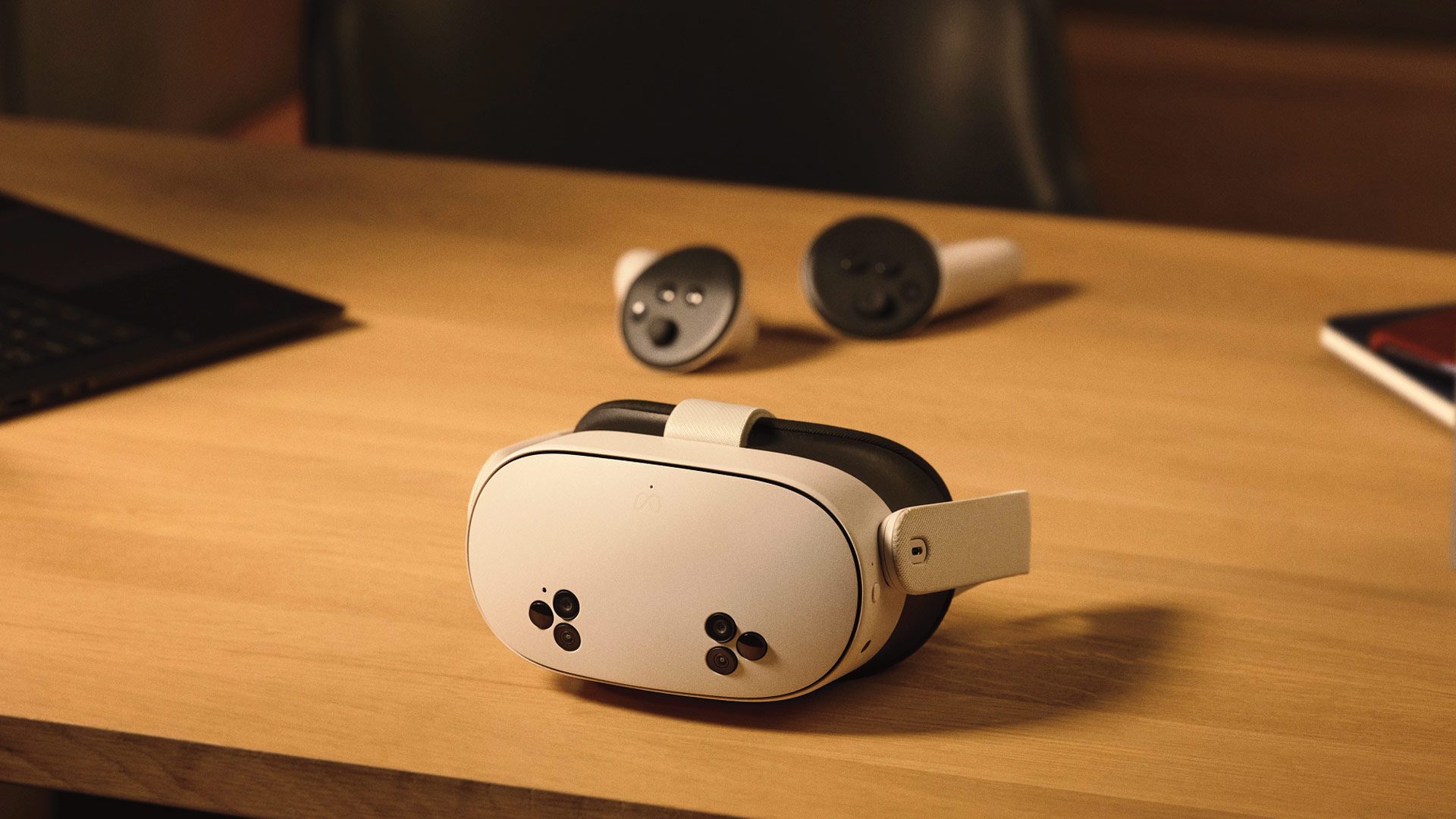
Meta CTO and Reality Labs chief Andrew Bosworth detailed why he thinks he might have failed VR gaming fans, and why some people are angry, noting that it’s probably because the “gravy train has come to a stop.”
The News
Bosworth took to Instagram for another one of his weekly Q&As, where he fields questions from followers. In yesterday’s session, Bosworth answered this: “Do you feel that you have failed VR gaming fans? With so many sunsets and studio closures?”
“It’s really up to the people to decide whether I failed them or not,” Bosworth says. “I suppose it does raise the age-old question: ‘is it better to have loved and lost than never to have loved at all?'”
Here, Bosworth is describing the Reality Labs re-org in January, which saw 10 percent of the XR division laid off amid several VR game studio closures, including Twisted Pixel, Armature Studio and Sanzaru Games.

“Many of the people who might say I failed them would say so because they loved things that I gave them, and are mad that the gravy train has come to a stop. But I still respect that,” Bosworth says.
But it’s not the first-party studio closures and near full-stop on VR game funding that Bosworth thinks is the failure: it’s customer acquisition.
“I don’t think I failed them because obviously they’re already fans. They love the work. The people that argue that I’ve failed are not yet VR gaming fans, who I think could be—who we hoped would be by now, but who aren’t.”
The failure, in Bosworth’s eyes, is not having created the right product for people who haven’t already adopted VR.
“And I haven’t built the right thing, or the right software to get them into the ecosystem. That is the failure. That is what we’re trying to attack in new and different ways: is to grow the base, to make this thing sustainable.”
My Take
Essentially, Bosworth’s statement reads me like this: be glad for what I gave you, because you’re not getting any more. You have to realize that the only thing we can do now is try to get more people in… somehow.
But who are those people that Meta hopes to reach? And if they don’t want big, expensive single-player content that pushes the boundaries of standalone gameplay, what do they want? Meta’s strategy is too opaque to say for sure, but here’s my best guess at what’s happening.
For years, Meta funded big, polished single-player titles to prove standalone VR could deliver console-style gaming. That bought goodwill with core enthusiasts, but didn’t materially expand the addressable market, or drive recurring revenue at scale. That’s the only thing Meta is focused on now it seems, as the “gravy train” has effectively stopped.
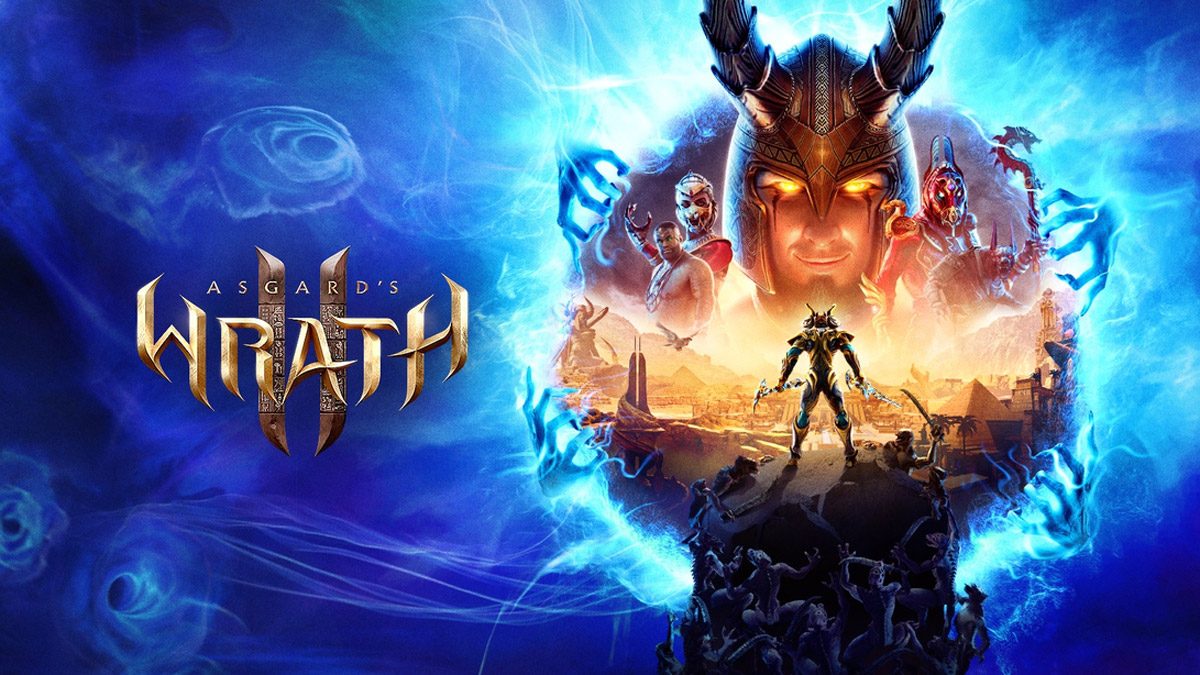
In that context, Bosworth’s “failure” comment makes more sense. It’s not that the existing fans weren’t served—they were. It’s that the strategy didn’t convert enough non-fans into regular, paying users. That, and Meta has always been the ones to ‘show’ other studios how to build VR games—what with best practices and all—but for the past few years it’s been less about best practices and more about being the only company with deep enough pockets to create prestige content for Quest.
But before running off to compare Meta’s pullback to Sony’s vis-à-vis PSVR 2, there are at least two rumored headsets on the horizon: codename ‘Griffin’, expected to arrive sometime in 2027 and possibly succeed Quest 3, and a slim and light, puck-tethered headset codenamed ‘Puffin’ or ‘Phoenix’, also expected in 2027.
That said, kids have been big revenue drivers since the release of Quest 2, which has directly translated to Quest 3S. As it is, Meta announced last year that younger users were helping to push a new emphasis on free-to-play content, which in turn has helped drive in-app purchases. Last week, Reality Labs VP of Content Samantha Ryan revealed in-app purchases increased by 13% year-over-year, which notably didn’t even coincide with a new headset launch. Quest has no real competitor in the West, so Quest 3S is likely going to be around for a few more years so younger players have an easy entry point and continue to drive in-app purchases.
And at the same time, Meta has effectively decoupled Quest from its Horizon Worlds social platform, which was dead weight on Quest. This has essentially left the Quest platform re-focused back on VR gaming, albeit created solely by third-party studios and not Meta itself. So, Quest is back to gaming without the Horizon Worlds faff mixed in, but it won’t have any new first-party sponsored content either.
In all, this feel less like abandonment and more like a tactical retreat. Meta is investing in VR more than anyone, not to mention upcoming AR glasses and possible quick follow-up to Meta Ray-Ban Display. Games will still come, and some may even benefit from Meta funding to some extent, albeit not at the same scale as before. At least as Meta presents it, the long-term vision is still there; it just needs more sustainable spending and a different model to scale.