
Oculus Go to Offer Fixed Foveated Rendering and Up to 72Hz Refresh Rate
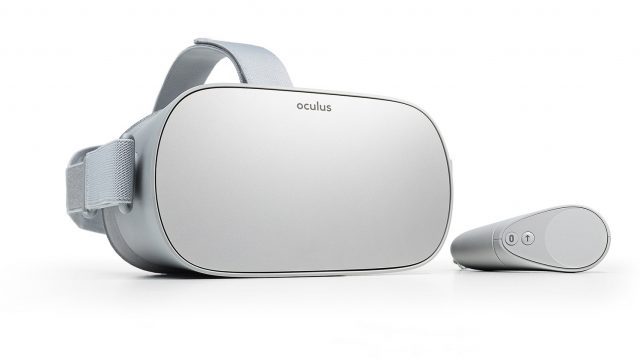
Oculus has revealed that the standalone, entry-level mobile VR headset Oculus Go will support refresh rates up to 72Hz and will make use of fixed foveated rendering.
Oculus has revealed that the standalone, entry-level mobile VR headset Oculus Go will support refresh rates up to 72Hz and will make use of fixed foveated rendering.
At the Unreal Engine presentation at GDC 2018 today, Epic Games CTO Kim Libreri introduced several projects highlighting the scalability and performance of Unreal technology, including a partnership with ILMxLAB and Nvidia. This was the first live demonstration of interactive, real-time, ray-tracing with Unreal Engine.
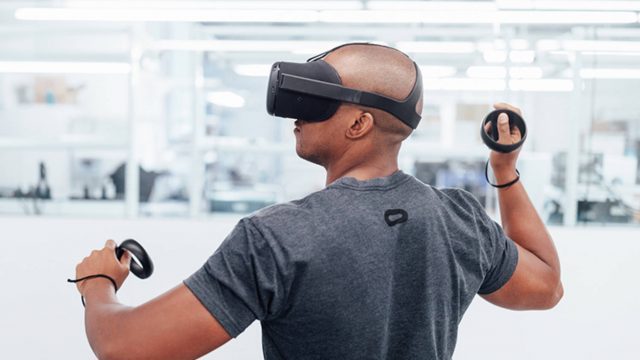
GDC 2018 is in full swing and we kick of Wednesday with a Live Blog of Oculus’ “Inside Oculus 2018” session, which is set to give developers an insight into the Facebook owned VR company’s hardware and software road map for the year.
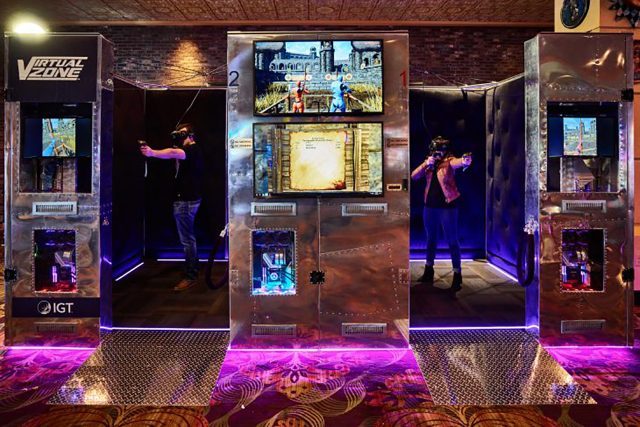
HTC is expanding its out-of-home VR entertainment reach with a new deal with gaming giant IGT that will see its Vive hardware and software power a new competitive VR initiative where players compete for real money stakes.
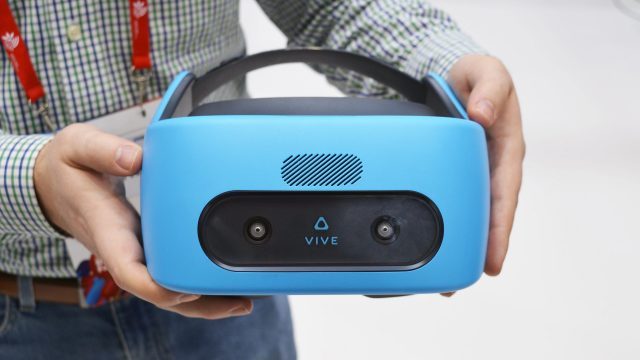
HTC’s standalone, untethered VR headset the Vive Focus, will come to western markets later this year, HTC announced today. The company also announced that developers can register for Dev-Kit units from today.
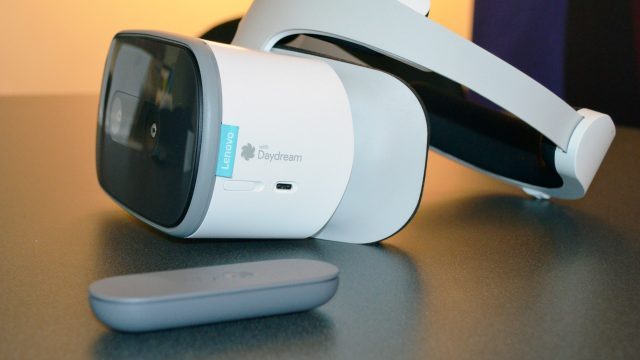
Lenovo’s Mirage Solo standalone VR headset, which was announced last year and fully revealed back in January, is set to launch on May 5th, priced at $400, Lenovo tells Road to VR. The standalone headset is set to compete with the likes of the Oculus Go and Pico Neo.
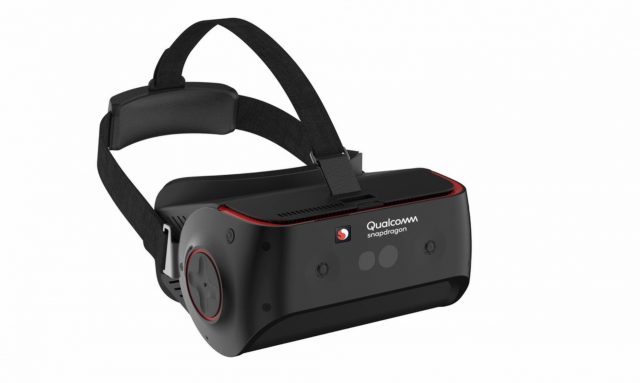
Qualcomm today announced their Snapdragon 845 Virtual Reality Development Kit (VRDK) reference headset will have support for Vive Wave, HTC’s open API which allows a large range of third-party headsets and peripherals access to a common platform. The move to integrate Vive Wave into Qualcomm’s latest VRDK will essentially give prospective manufactures turn-key access to HTC’s mobile version of its Viveport app store.
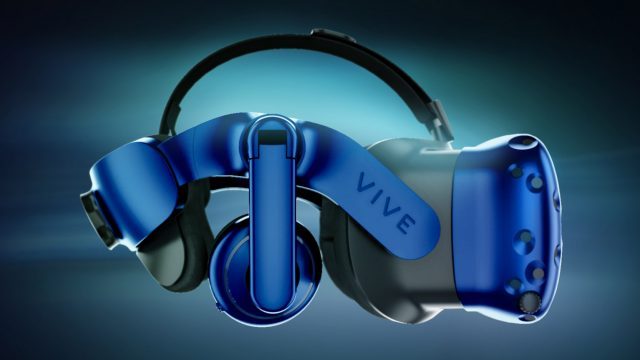
When revealing the HTC Vive Pro back in January, HTC left one salient piece of information out of the announcement: the price. After letting impression of the headset’s higher resolution, improved ergonomics, and other changes simmer for a few months, the company this week finally revealed the price: $800 for the headset alone (not including controllers or tracking base stations). For many of HTC’s most loyal fans, the price was far higher than anticipated.

Sea of Thieves has finally arrived, and it’s the first game in four years from legendary developer Rare, the studio behind some of gaming’s greatest titles, like Donkey Kong Country, Banjo-Kazooie, and GoldenEye 007. And while Sea of Thieves itself doesn’t support VR natively, it’s undeniably immersive, and there’s a lot that VR developers can learn from its rich game design.
Here’s a roundup of news from ‘day one’ of our GDC 2018 coverage. Vive Pro date and price, Magic Leap announcements, Nvidia’s real-time ray-tracing, and Budget Cuts resurfaces.
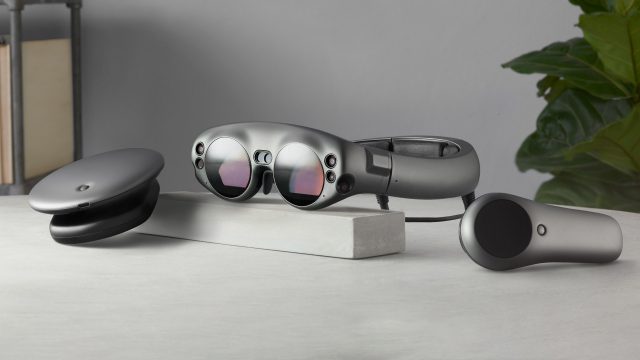
Now that Magic Leap has officially launched its Lumin SDK, a dev toolkit which allows developers to build AR experiences for Lumin OS, the operating system that powers the Magic Leap One headset, we expect to hear more specific insight in the company’s GDC talk entitled ‘Mixed Reality: Bringing Games and AI to the Real World’.
In partnership with Google, developers Squanch Games have revealed Dr. Splorchy Presents: Space Heroes, the first in a series of exclusive games for the Daydream VR platform. Announced today, the game is playable on the GDC show floor at Google’s booth.

During the Google Developer Day presentation at GDC 2018, Product Manager Clementine Jacoby and Engineering Lead Patrick Donelan at Google Maps presented the team’s progress in bringing their technology and data to game developers. Several ‘location-based’ AR games using Google Maps APIs and ARCore are coming to mobile devices this year.
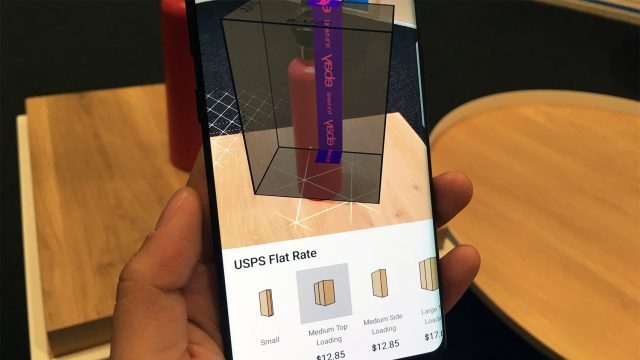
ARCore, Google’s augmented reality software development kit for Android devices, was recently made available on 13 flagship smartphones – giving over 100 million devices, the company says, the ability to run AR apps. At GDC today, Google highlighted two upcoming apps arriving on the Play Store today, and two arriving in the second half of year.
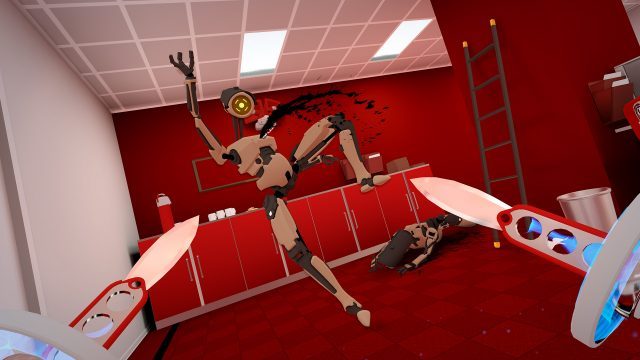
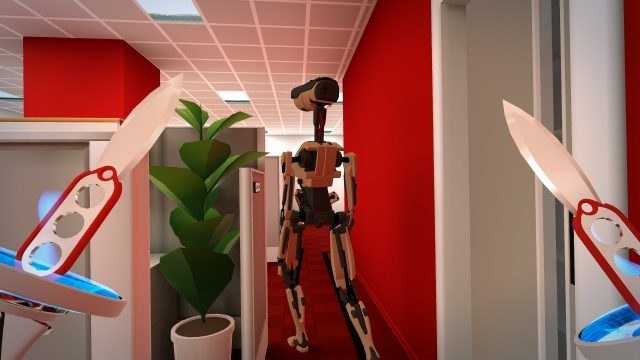
It’s been over two years since Stockholm-based Neat Corporation released the initial prototype for Budget Cuts, an upcoming stealth-action game that throws you into a robot-filled office space and arms you with various throwing weapons and a novel portal-based teleporting device, letting you sneakily stalk the corridors like a knife-wielding Nightcrawler. Now that the game has an official release date and price, Neat Corp let us in for the first official taste of the game at this year’s GDC before it heads out to HTC Vive and Oculus Rift in May.