
Biometric Data Streams and the Unknown Ethical Threshold of Predicting & Controlling Behavior
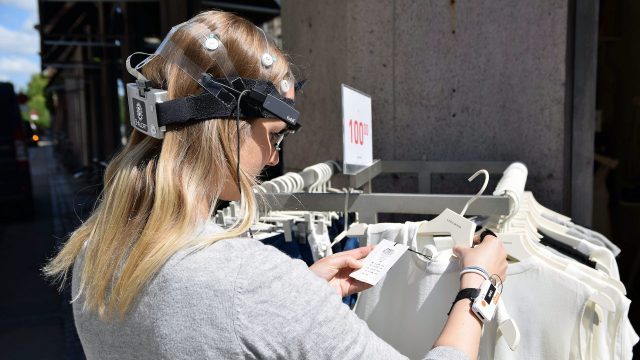
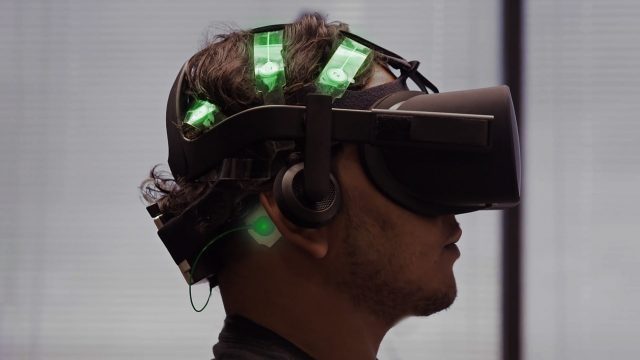
 I recently attended the Experiential Technology Conference where there were a lot of companies looking at how to use biometric data to get insights into health & wellness, education for cognitive enhancement, market research, and more. Over the next couple of years, virtual reality platforms will be integrating more and more of these biometric data streams, and I wanted to learn about what kind of insights can be extrapolated from them. I talked with behavioral neuroscientist John Burkhardt from iMotions, one of the leading biometric platforms, about what metrics that can be captured from eye tracking, facial tracking, galvanic skin response, EEG, EMG, and ECG.


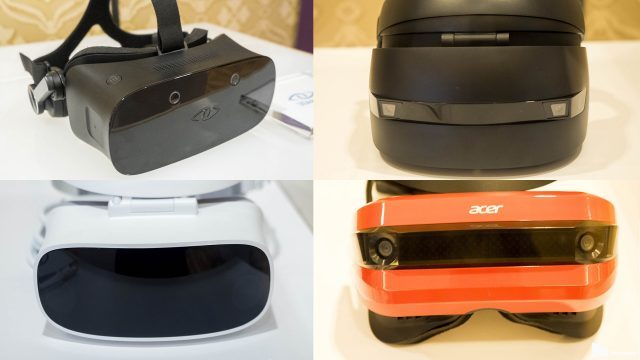
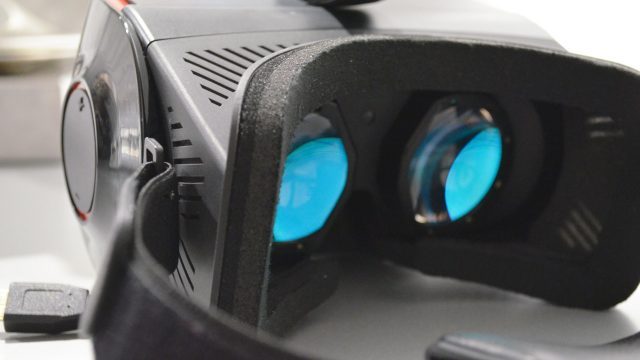
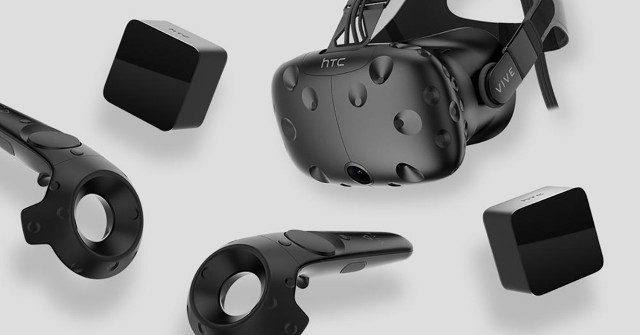
 When I was at the GDC VR Mixer, Jim Preston struck up a conversation about his concerns about privacy in VR. He works at FOVE which is making a VR headset with eye-tracking, but wanted to speak to me on his own behalf about some of the deeper philosophical questions and conceptual frameworks around the types of intimate data that will become available to VR headsets. As more and more biometric data streams are integrated into VR there a lot of complicated and complex ethical questions that he thinks will take the entire VR community needs to figure out.