
Ubisoft is ceasing game development at Red Storm Entertainment, the long-running studio behind Assassin’s Creed Nexus VR (2023).
According to an internal memo viewed by GamesIndustry.biz, Ubisoft is shutting down game development at Red Storm Entertainment, which includes the loss of 105 jobs.
While the studio is technically staying open, it’s no longer developing games, as remaining staff will be tasked with working on Ubisoft’s Snowdrop game engine, along with IT and customer relations.
Founded in 1996 by Tom Clancy and Doug Littlejohns, the North Carolina-based studio is best known for developing the original Tom Clancy’s Rainbow Six (1998), which helped define the modern tactical first-person shooter genre.
Acquired by Ubisoft in 2000, Red Storm went on to release Ghost Recon (2001) along with a long list of Rainbow Six and Ghost Recon titles in the following years—its last being Tom Clancy’s Ghost Recon: Future Soldier (2012).
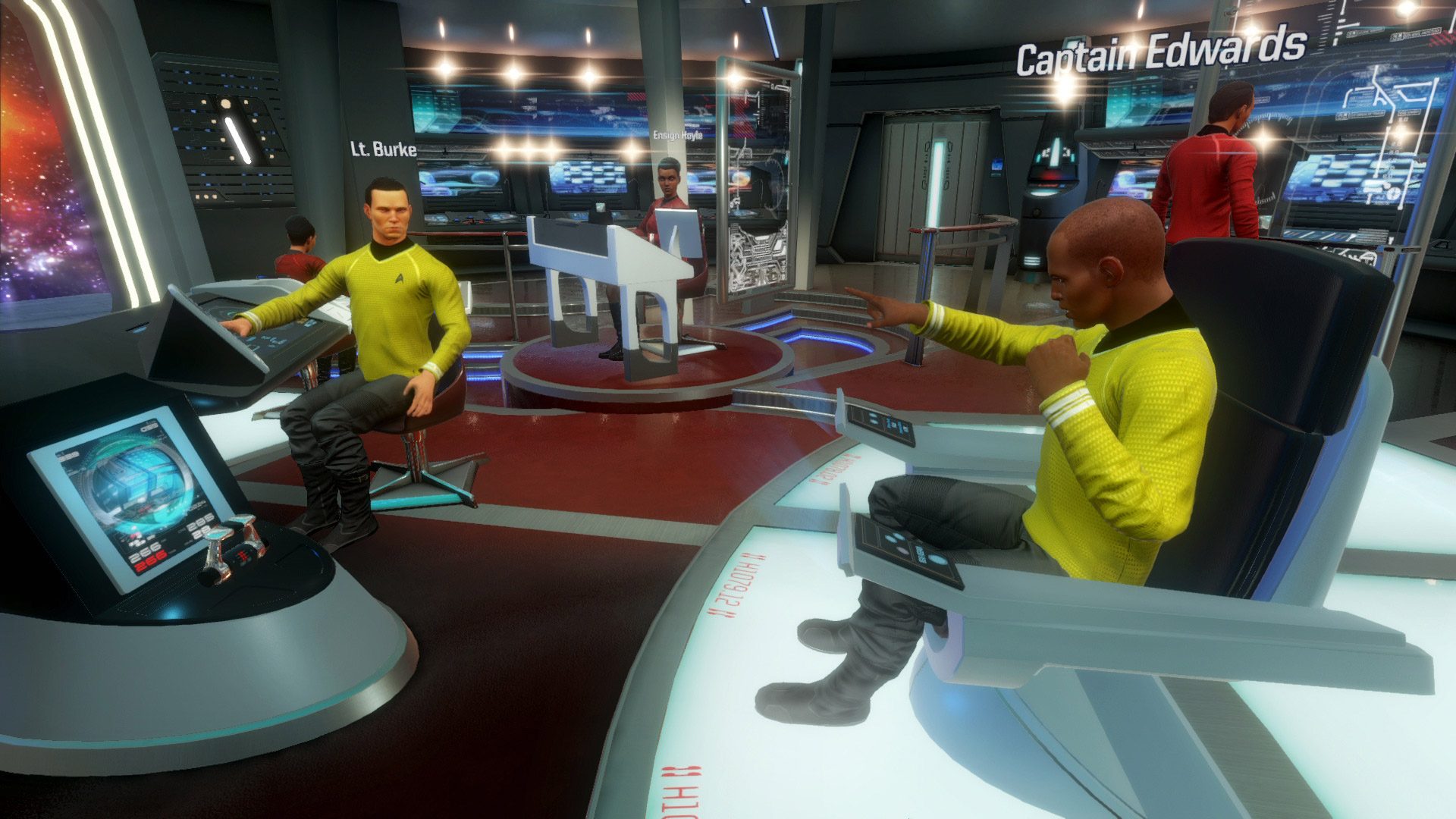
Notably, Future Soldier was the studio’s last flatscreen game as well, as Ubisoft seemingly re-geared Red Storm to begin producing VR titles, which included the release of VR party game Werewolves Within (2016), co-op space sim Star Trek: Bridge Crew (2017), and Quest exclusive Assassin’s Creed Nexus (2023).
While we don’t know precisely what Red Storm was working on before Ubisoft pulled the plug, at least two games were publicly cancelled over the past few years, including a Splinter Cell VR game for Quest, cancelled in 2022, and Tom Clancy’s The Division Heartland, a free-to-play shooter, which was cancelled in 2024.