
XR Glasses Maker VITURE Secures $100M Investment as Wearable Segment Heats Up

6

San Francisco-based XR glasses company VITURE announced it’s secured $100 million in Series B financing, which the company says will aid in global expansion of its consumer XR glasses.

Viture initially announced in October 2024 it successfully secured a Series B, however now the company reveals its most recent tranche has brought the Series B total to $100 million, bringing overall funding to $121.5 million, according to Crunch Base data.

Previous investors include Singtel Innov8, BlueRun Ventures, BAI Capital, Verity Ventures, with the company noting that some strategic investors in the Series B “prefer to remain undisclosed at this time.”
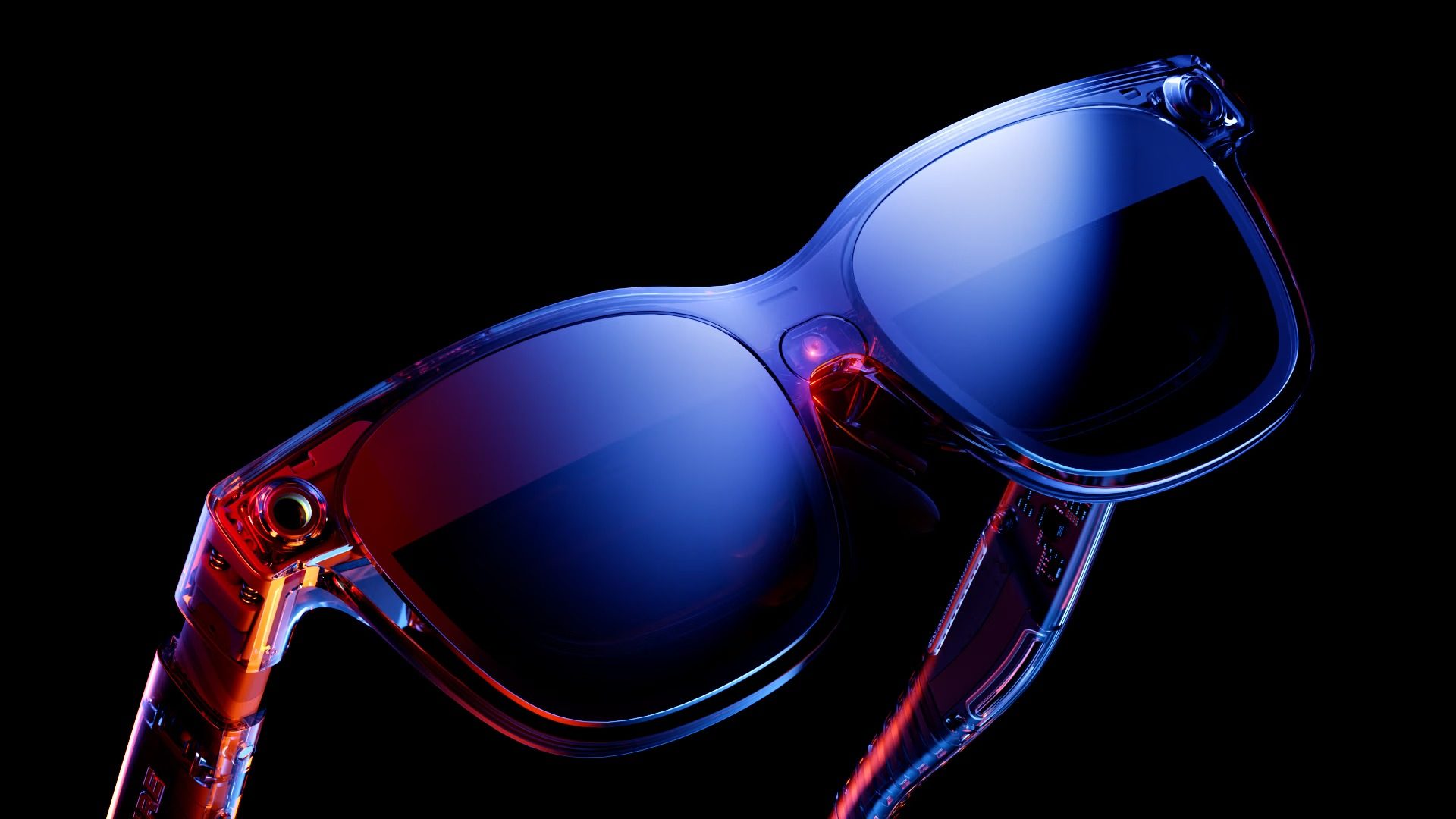
Viture Luma | Image courtesy Viture

The company says its Series B will allow it to expand its consumer XR glasses globally through retail and distribution networks, grow its enterprise offerings, and further develop its hardware and AI-powered software ecosystems.

This follows the July announcement of the company’s Luma series and Beast, phone/PC-tethered XR glasses that use bird bath-style optics, which the company is targeting towards casual content consumption and productivity.

SEE ALSO
Valve Says Steam Frame Development Started Even Before Index Was Released

Meanwhile, the XR glasses segment is heating up, although not uniformly in the direction of the sort of casual content-focused specs that Viture is developing.

More precisely, smart glasses with heads-up displays (i.e. not augmented reality) appear to be the next hot commodity among Meta, Google, Amazon and possibly even Apple, which generally see them as stepping stones to all-day wearable AR glasses of the future.

These sorts of smart glasses are very different from Viture’s however, or full-AR glasses, like Meta’s Orion prototype; smart glasses are essentially designed to offload daily tasks from the user’s smartphone, such as notifications, turn-by-turn directions, AI queries, calls, as well as photo and video capture.


Check out this handy primer on the differences between smart glasses and AR glasses to learn more.

This article may contain affiliate links. If you click an affiliate link and buy a product we may receive a small commission which helps support the publication. See here for more information.

Well before the first modern XR products hit the market, Scott recognized the potential of the technology and set out to understand and document its growth. He has been professionally reporting on the space for nearly a decade as Editor at Road to VR, authoring more than 4,000 articles on the topic. Scott brings that seasoned insight to his reporting from major industry events across the globe.
  • Christian Schildwaechter

    The joys of venture capital. So far the only smartglasses that we know are selling well are the Meta Ray-Bans, and we don't even know if these sell mainly because of Meta's AI driven smart features, or simply because people are used to paying hundreds of dollars/Euros for Ray-Bans even without any smart technology inside.

    There have been a number of display glasses using bird bath optics, resembling regular glasses only from the front like the Rokid Max that are popular in niches, for example as external 1080p displays for Steam Decks. There are also very glasses looking devices like the Even Realities G1 that found a niche as wearable teleprompters. What we haven't seen yet is a broad use of the smart features of smartglasses by the general population. But this is what everybody is betting on, throwing hundreds of millions on startups they hope will come up with the next iPhone that will be used by billions of people after only a few years.

    One thing to keep in mind is how venture capital works. A general rule is that out of ten investments, seven bomb, two become "zombies" (making enough money to survive, but not offering huge returns) and one makes enough money to pay for the other nine, usually by selling the startup to a larger company for a lot of money. And this is often driven by hype. We saw a second (third?) wave of XR investments after AVP was announced, which probably paid for the development of Play for Dream and others.

    We are still mid-AI hype with Nvidia now being the most valuable company, with most of their very expensive data center AI accelerators bough by just two companies (probably Meta and OpenAI or xAI), with valuations based completely on speculation, not on actual earnings made through productivity gains from AI. From the outside all this investment looks like there must be huge business opportunities here, because otherwise nobody would throw money at it, or would they?

    But XR/VR/AR itself might serve as an example that this isn't always the case, with Meta by now having invested around USD 70B with MRL alone, and more when including all acquisitions. And so far they gathered ~10M active Quest users, with most new users now only using free apps. And even having these 10M doesn't seem to provide any advantage for conquering the newest hot XR battle field, smartglasses.

    • It's the Gartner hype cycle… now smartglasses are at the peak of inflated expectations

      • Shuozhe Nan

        Still have to inmo air 3, didnt had the time to return it yet.. but AR feels like the future for everyone already wearing glasses. Battery was fine, display was good. They only need to get rid of all the reflections and get eyetracking or another input method working.. the ring was laggy, and touchpad was terrible

    • XRC

      This was interesting investment advice:-

      "For savvy investors, understanding this cycle can present lucrative opportunities to capitalize on market overreactions at various stages."

      dutch tulips anyone?

  • lea

    Isn't Viture based in China? The SF address they have on their US website is some small coworking space.

    The World Economic Forum website says Viture is headquartered in Beijing, China.

    • Shuozhe Nan

      At least it's not another AR company with their central in TCL tech park.

      From Baidu cuz google/bing only gives me technical stuffs:

      VITURE is a Sino-US multinational XR technology company founded in August 2021 by former employees of Google and Apple, with headquarters in San Francisco, USA and Beijing, China