

Meta’s Reported Plan to Add Facial Recognition to Smart Glasses Slammed by ACLU-led Coalition

11

An ACLU-led coalition representing more than 70 civil liberties advocacy groups are pushing back against Meta’s reported plans to bring facial recognition to its smart glasses.

The New York Times initially reported in February that Meta is currently exploring who should be recognizable through its smart glasses, as the company ostensibly hopes to bring some form of facial recognition to Ray-Ban and Oakley smart glasses.

According to the NYT report, possible options include “recognizing people a user knows because they are connected on a Meta platform, and identifying people whom the user may not know but who have a public account on a Meta site like Instagram.”

Now, as reported by Wired, an ACLU-led coalition hopes to oppose those plans, which the group says could turn Meta’s smart glasses into ad hoc “surveillance glasses,” capable of endangering consumers and vulnerable communities, and broadly undermining civil rights and civil liberties.
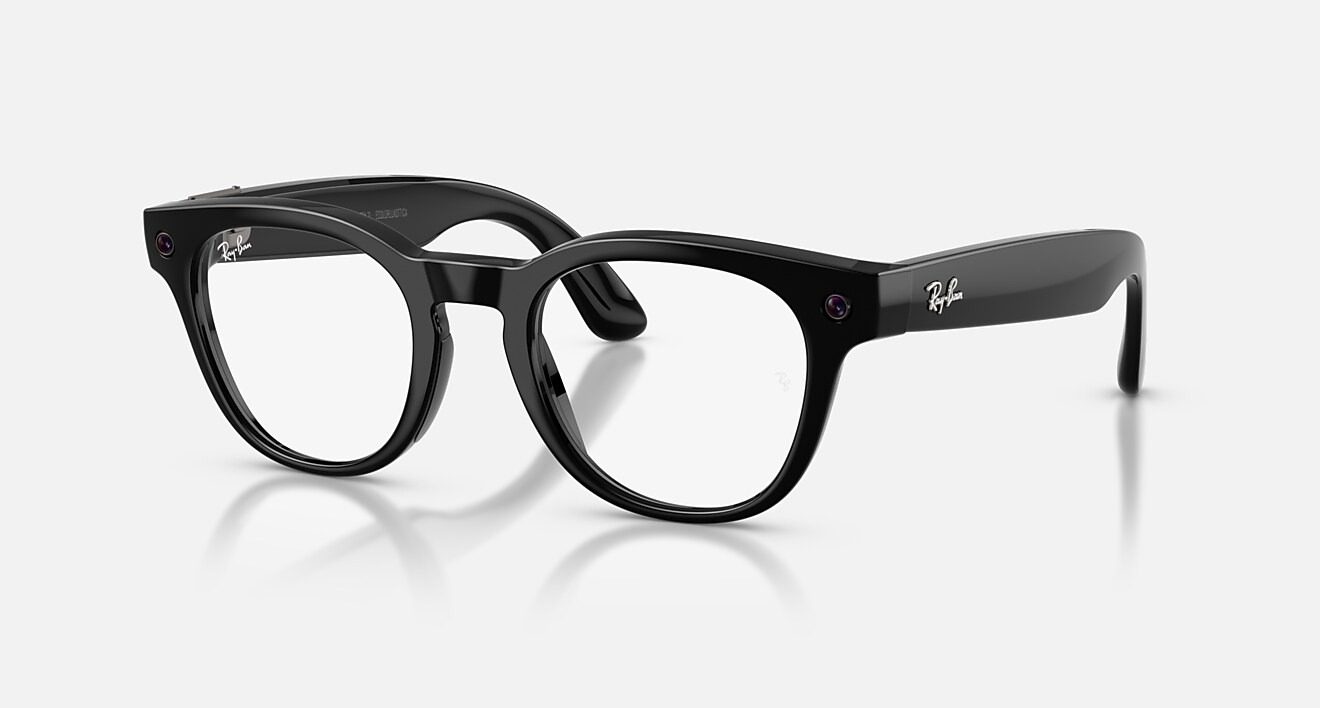
Ray-Ban Meta ‘Scriber’ model | Image courtesy Meta, EssilorLuxottica

The group, which also includes the Electronic Privacy Information Center (EPIC), Fight for the Future, Access Now, and the Leadership Conference on Civil and Human Rights, issued an open letter to Meta CEO Mark Zuckerberg on Monday urging the company to stop and publicly disavow its plans.

SEE ALSO
Meta Finally Brings 'Beat Saber' to Horizon Plus, Keeps DLC Behind Paywall

“People should be able to move through their daily lives without fear that stalkers, scammers, abusers, federal agents, and activists across the political spectrum are silently and invisibly verifying their identities and potentially matching their names to a wealth of readily available data about their habits, hobbies, relationships, health, and behaviors,” the letter reads.
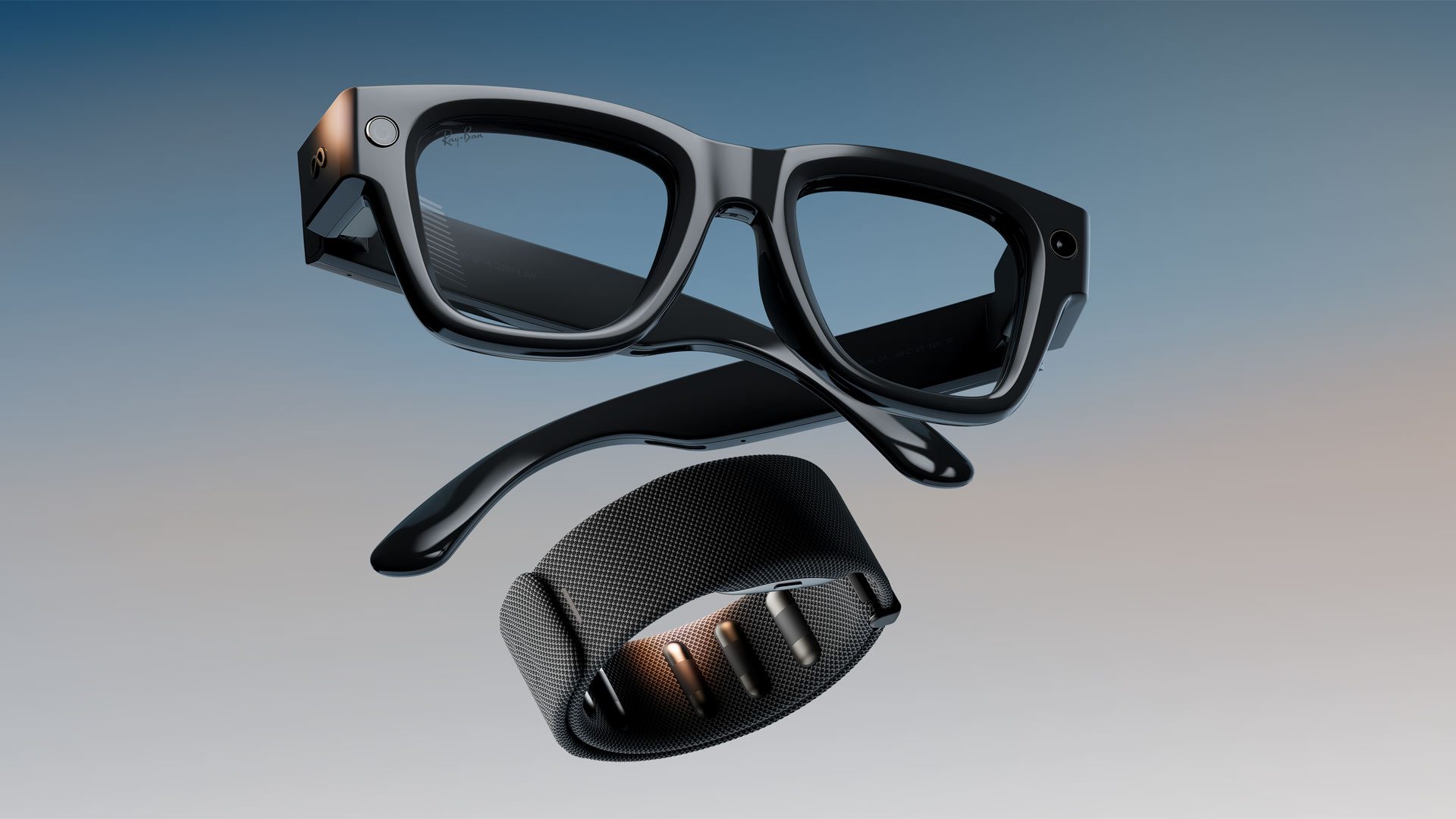
Meta Ray-Ban Display Glasses & Neural Band | Image courtesy Meta

“It isn’t hard to see how easily this technology could be abused by corporations, private individuals, and the government to target immigrants, LGBTQIA+ people, and other vulnerable groups,” an ACLU petition adds. “It also puts domestic violence and stalking survivors at risk and could even be used to go after protestors or people who criticize the government.”

Meta has bowed to public pressure before, albeit after years of costly litigation. As mentioned by Wired, in November 2021 the company ended Facebook’s photo-tagging system and said it would delete the facial recognition templates of more than a billion users, which at the time was called “a company-wide move to limit the use of facial recognition in our products.”

Neither Meta, nor its hardware partner EssilorLuxottica responded to Wired’s request for comment.

This follows news in February that Meta’s smart glasses partner EssilorLuxottica sold over seven million smart glasses in 2025 alone; that year the companies not only shipped a hardware refresh of Ray-Ban Meta, but also Oakley Meta HSTN, Oakley Meta Vanguard, and the $800 Meta Ray-Ban Display glasses—the company’s first smart glasses to include a heads-up display.

It’s not just Meta making smart glasses though. Meanwhile, a rash of competitors are currently preparing their own smart glasses for consumer release; GoogleSamsung and Amazon have all announced their own devices, while Apple is also reportedly developing multiple pairs.

This article may contain affiliate links. If you click an affiliate link and buy a product we may receive a small commission which helps support the publication. See here for more information.

Well before the first modern XR products hit the market, Scott recognized the potential of the technology and set out to understand and document its growth. He has been professionally reporting on the space for nearly a decade as Editor at Road to VR, authoring more than 4,000 articles on the topic. Scott brings that seasoned insight to his reporting from major industry events across the globe.
  • fcpw

    No one is forcing people to buy them. That said, you would be quite dumb to do so.

    • Yeah but the problem here is that even if you don't buy them, you're seen through the glasses of all the people around you that bought them

    • Oxi

      The entire problem is not that you might be forced to wear them, but that someone else will wear them and be able to pull up your name and info at will!

  • STL

    Let’s be very clear: the ability to recognize people based on photos or brief encounters is a genuine talent. Many people can identify almost everyone they’ve ever met. For those who lack this ability, an AI face-recognition tool would function as a prosthetic replacement—just like glasses, hearing aids, or other assistive technologies.

    I am one of the few people who struggles severely with this. I couldn’t even recognize my own mother (!) in person at times. This condition cost me my job as a highly paid consultant because I failed to recognize clients and coworkers when I saw them on the street or outside the office.

    Please keep this in perspective: people who wear glasses are not told they must manage without them just because most people have good natural vision. We don’t withhold artificial limbs from amputees or screen readers from blind people simply because others don’t need them. Face-recognition assistance for those with prosopagnosia (face blindness) deserves the same acceptance and support.

    • Herbert Werters

      Yeah, but not from Meta in a consumer device. Are you serious?

    • Oxi

      I don't think that's a fair comparison, sorry. The whole issue is not that I might ping someone and ask for permission for my device to be able to recognize them, it's that this gives any person the same ability to recognize and identify someone that facebook's algorithms have. Glasses don't let me see you a mile away through a security camera. Similar systems to this are already getting people seriously harmed as government agencies building off of the work by facebook and leading AI firms are buying software to pluck people out of crowds for arrest or documenting their presence to harass them later for repeated civil disobedience.

  • Tech

    NSA/CIA dream – you wear these and work as free spy for these agencies.

  • marco

    probably no one remember that 1st gen google class received a similar slam years back

  • From the title, I thought there was some legal constraint blocking Mtea. Instead it is just some people sending Zuck an email. Well, good luck with that

  • Oxi

    Just straight up using the chaos right now as a way to get this done without backlash.

    • Herbert Werters

      It won't do any good if there's an even bigger blow later on. This isn't some minor issue that society could really accept or get over. I think “move fast, break things” really isn't a good idea in this case. For anyone.