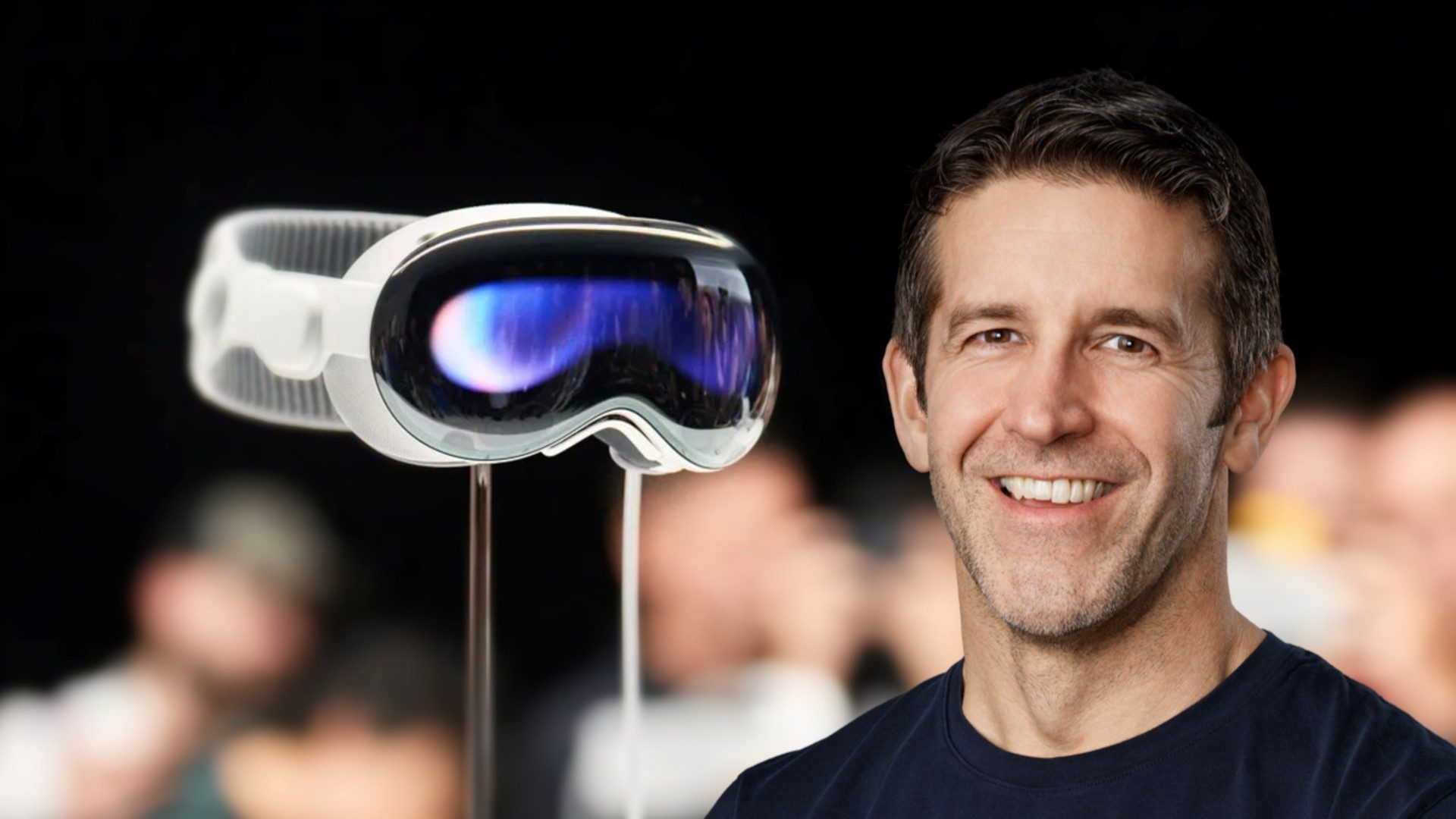
Apple announced that CEO Tim Cook is stepping down, and John Ternus, a long-time Apple veteran, is set to take his place. As head of hardware engineering, Ternus oversaw the launch of Vision Pro in addition to a slew of core Apple products over the years, although the new CEO may have some reservations about the company’s premium XR headset moving forward.
Fresh out of the University of Pennsylvania, where he majored in mechanical engineering, the soon-to-be Apple CEO actually did a four-year stint at Virtual Research Systems, a now-defunct hardware company making some of the first commercially available VR headsets.
Virtual Research’s PC VR headsets were decidedly of a different era, although they helped spark the latest generation. Just three years prior to the release of Oculus Rift DK1, in 2010 Oculus founder Palmer Luckey even called an owner of a Virtual Research V8 a “lucky bastard”, noting the device’s 60-degree field-of-view was “pretty fantastic” more than a decade after the headset’s release.
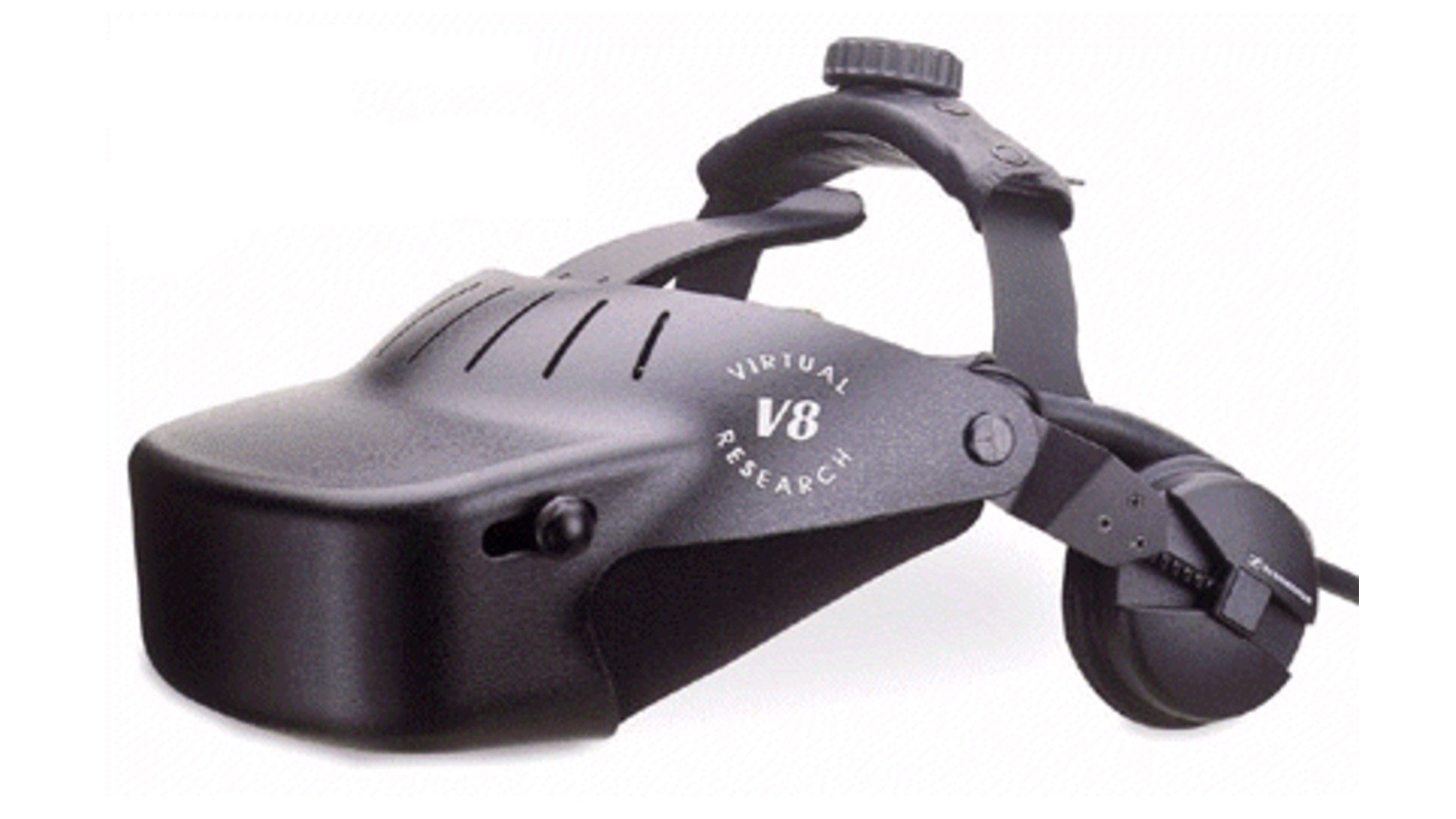
Notably, as Ternus was a mechanical engineer at Virtual Research Systems from 1997-2001, he likely worked on the V8, which came out at the tail end of the VR craze of the ’90s.
Leaving Virtual Research Systems in 2001 for Apple, Ternus worked his way up through a number of the company’s hardware teams, contributing to the development of multiple generations of core products, including iPhone, iPad, and Mac.
His biggest role came in 2021, when Ternus became Apple’s Senior Vice President of Hardware Engineering, taking over from Dan Riccio. As a result, Ternus also inherited the company’s long-term gamble in XR, which spanned more than a decade in the making, as he oversaw Vision Pro’s launch in 2023.
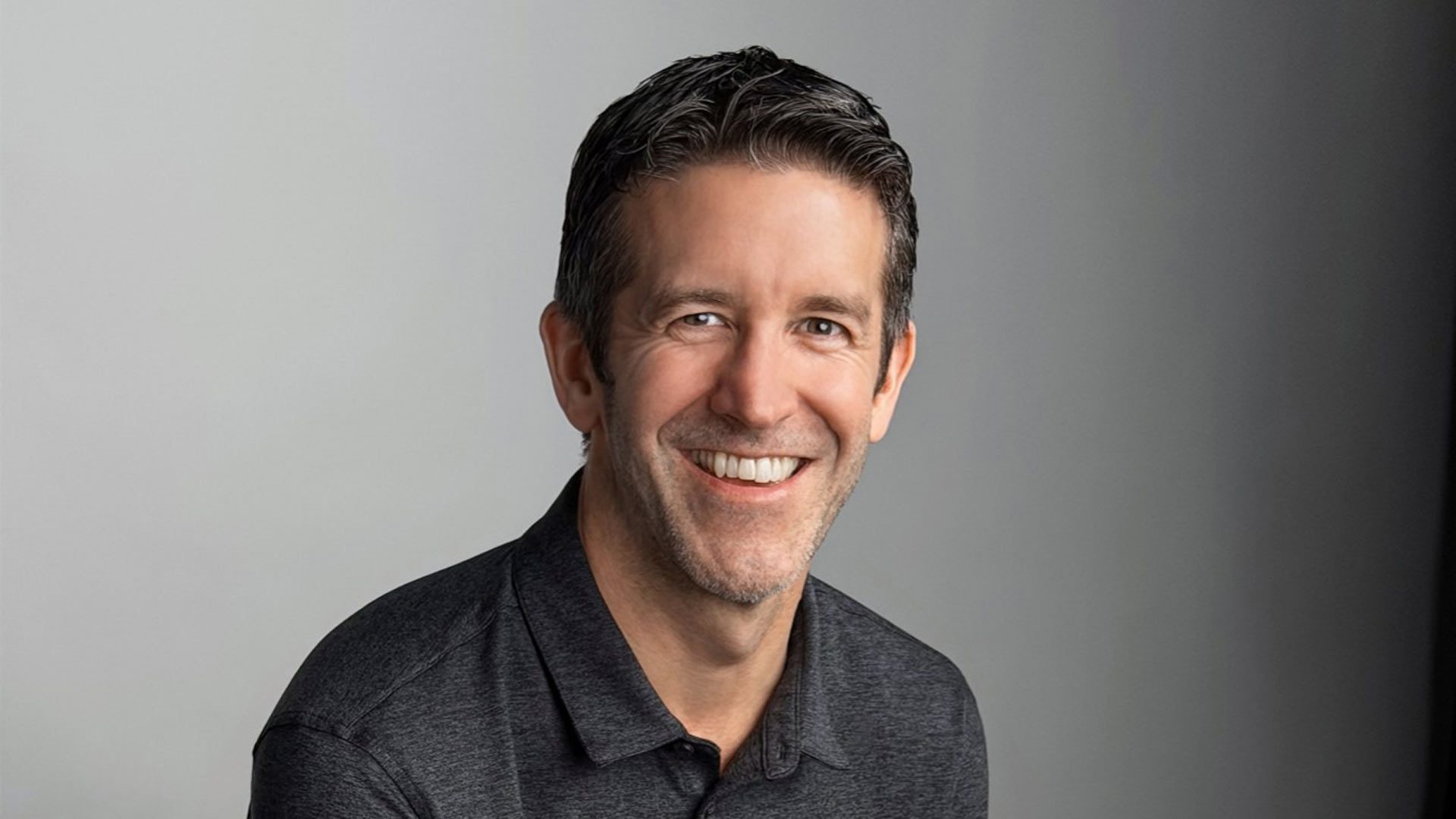
Still, despite his XR lineage, Ternus seems to be skeptical of Vision Pro’s place in Apple’s lineup.
As mentioned by Bloomberg’s Mark Gurman last month, Ternus has shown some trepidation around Apple’s previous moves in the past, including the now-cancelled Apple Car project as well as Vision Pro, which has underperformed relative to other hardware launched under Ternus, including the Apple Watch and AirPods.
“When the company has taken swings at big new product categories in recent years, Ternus has often been in the conservative camp,” Gurman says. “He was circumspect about Apple building a car, fearing it would distract the company, drain profits and pull engineers from core products. He was similarly wary of the mixed-reality headset that became the Vision Pro, drawing on his experience of trying to create a virtual-reality head-worn device at a startup in the 1990s. In both of those cases his skepticism was prescient. Apple eventually killed the car, and the Vision Pro has been a bust.”
Slated to take over as CEO once Cook officially steps down this summer, he’s also inheriting the company’s years-long efforts in developing AR glasses, which Cook reportedly hopes they can release before Meta.
“Tim cares about nothing else,” Bloomberg reported last year. “It’s the only thing he’s really spending his time on from a product development standpoint.”

It remains to be seen just how enthusiastic Apple’s new CEO will be on pushing those segment-defining XR devices though. Heading into the second half of the decade, the Cupertino tech giant is ostensibly now balancing ambitions across more segments than ever, including the new consumer-friendly Mac Neo ($600) which is making headway in stripping market share from a host of mid-tier Windows laptops.
Meanwhile, the company’s XR hardware roadmap may be taking a slightly unexpected turn. Last month a separate report from Gurman detailed a move by Apple to more heavily invest in a competitor to Ray-Ban Meta smart glasses—a stark departure from Apple’s initial XR strategy, which supposedly include three distinct categories: an iPhone-tethered AR headset with wireless controller, a high-end mixed reality headset, and standalone AR glasses.
Whatever the case, Ternus’s entry as CEO marks a decisive next chapter as the company. And we’ll be watching to see how he ultimately views Vision Pro, be it a dead end or a launchpad to sleeker, more consumer-friendly XR devices in the future. As it is, we’re still waiting to hear more about the reported follow-ups to Vision Pro, which supply chain leaks suggest could include two new headsets.