TCL has revealed its latest OLED and micro-LED displays aimed at AR and VR headsets. The company claims to have achieved new benchmarks for pixel density.
Shown off at the SID Display Week event, TCL’s new 2.24-inch display is claimed to be the “highest pixel density real RGB G-OLED display,” at 1,700 PPI (pixels per-inch), for a total resolution of 7.2MP (2,600 × 2,784) and refresh rate of 120Hz.
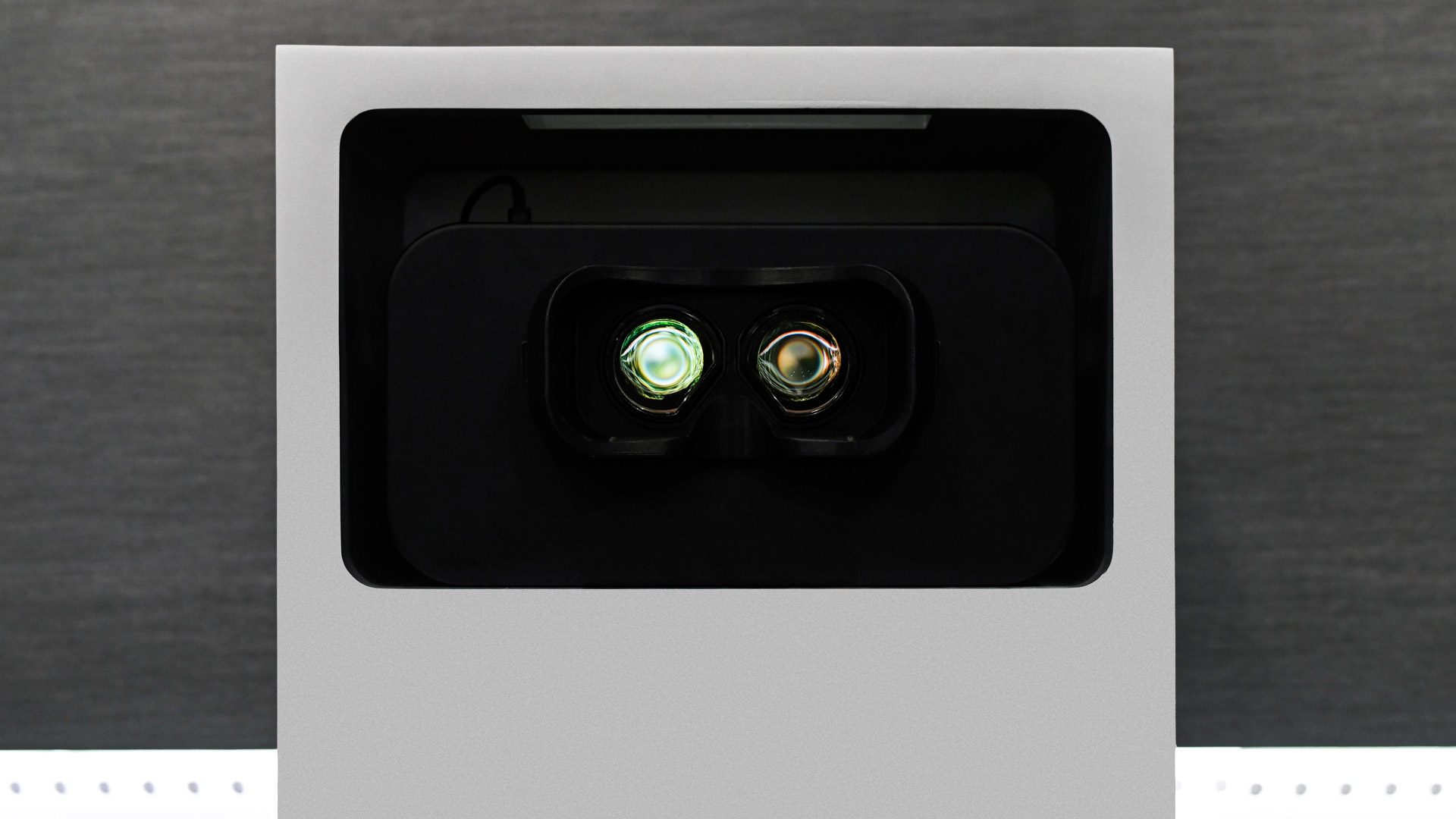
While there are OLED displays out there with higher PPI, TCL claims it’s got the highest PPI among glass-based OLED displays that use a “real RGB” subpixel layout. We take that to mean that the display is using an RGB stripe layout where every pixel has an equally sized red, green, and blue subpixel. That comes in contrast to many OLED displays that use different subpixel counts, sizes, and patterns (which can impact image quality).
At 2.24-inches, this display is best suited for VR and MR headsets in the same size-class that we know today.
For more compact devices, you need a much smaller display. That’s where TCL’s new micro-LED display comes in.
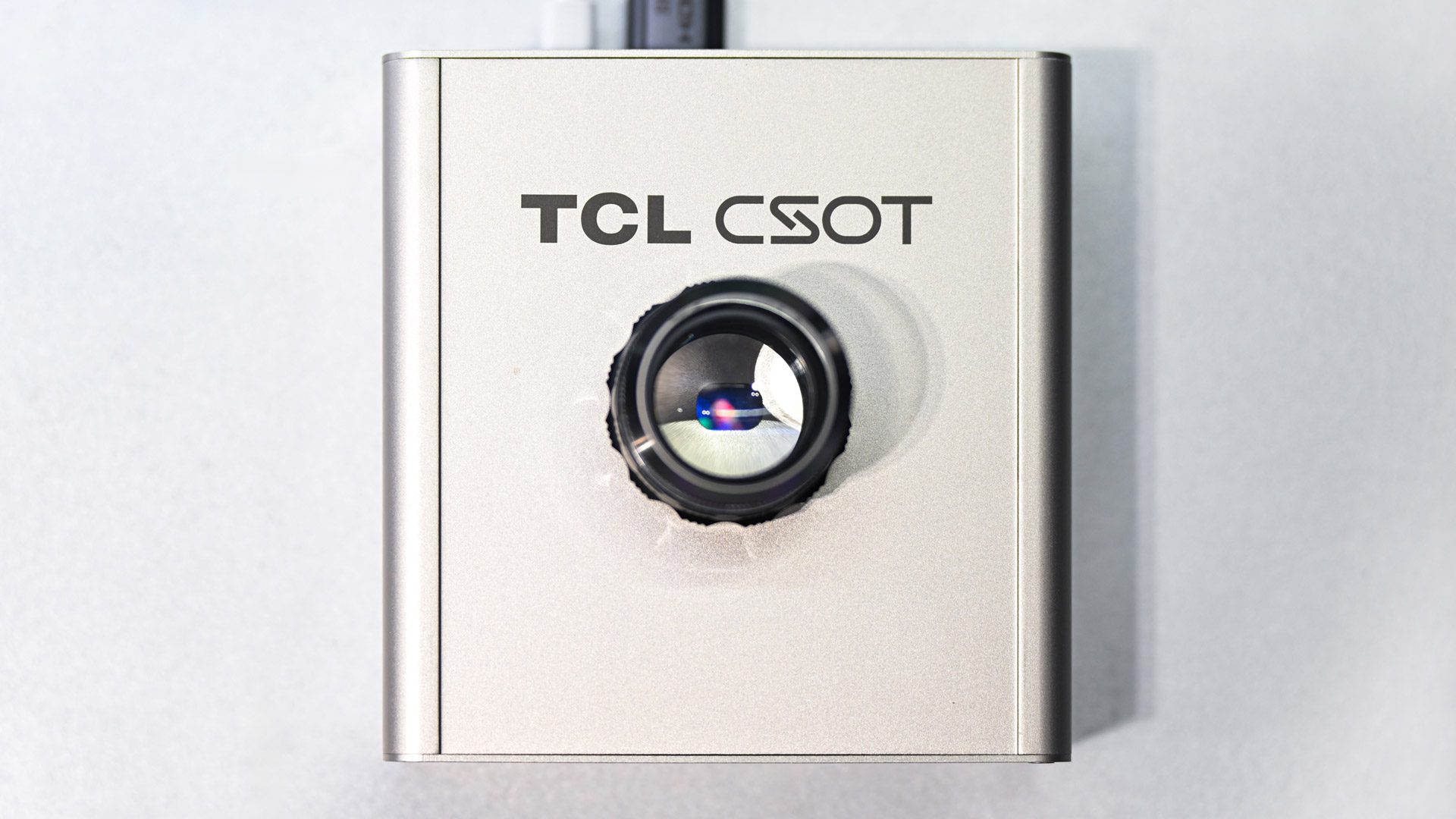
In a footprint of just 0.28-inches, TCL has crammed a PPI of 5,131. While not suitable for wide field-of-view devices, this could easily be retina-resolution if employed in a small field-of-view (like in the smartglasses use-case).
That seems to be where TCL is aiming at with this display; micro-LED is self-emissive and can be very bright, making it a good candidate for smartglasses which need displays with high brightness to combat daylight environments.
TCL is claiming this display is the “highest PPI single-chip full-color silicon micro-LED display.” The resolution is 0.9MP (1,280 × 720), which might not sound like much, but for comparison Meta’s current Ray-Ban Display glasses have a 0.36MP (600 × 600) resolution which is less than half of the total pixels of this new display from TCL.
Whether these new displays make a big splash on the market depends not just on their specs but also on their costs, reliability, and a handful of other factors of which we don’t have clear details just yet.