
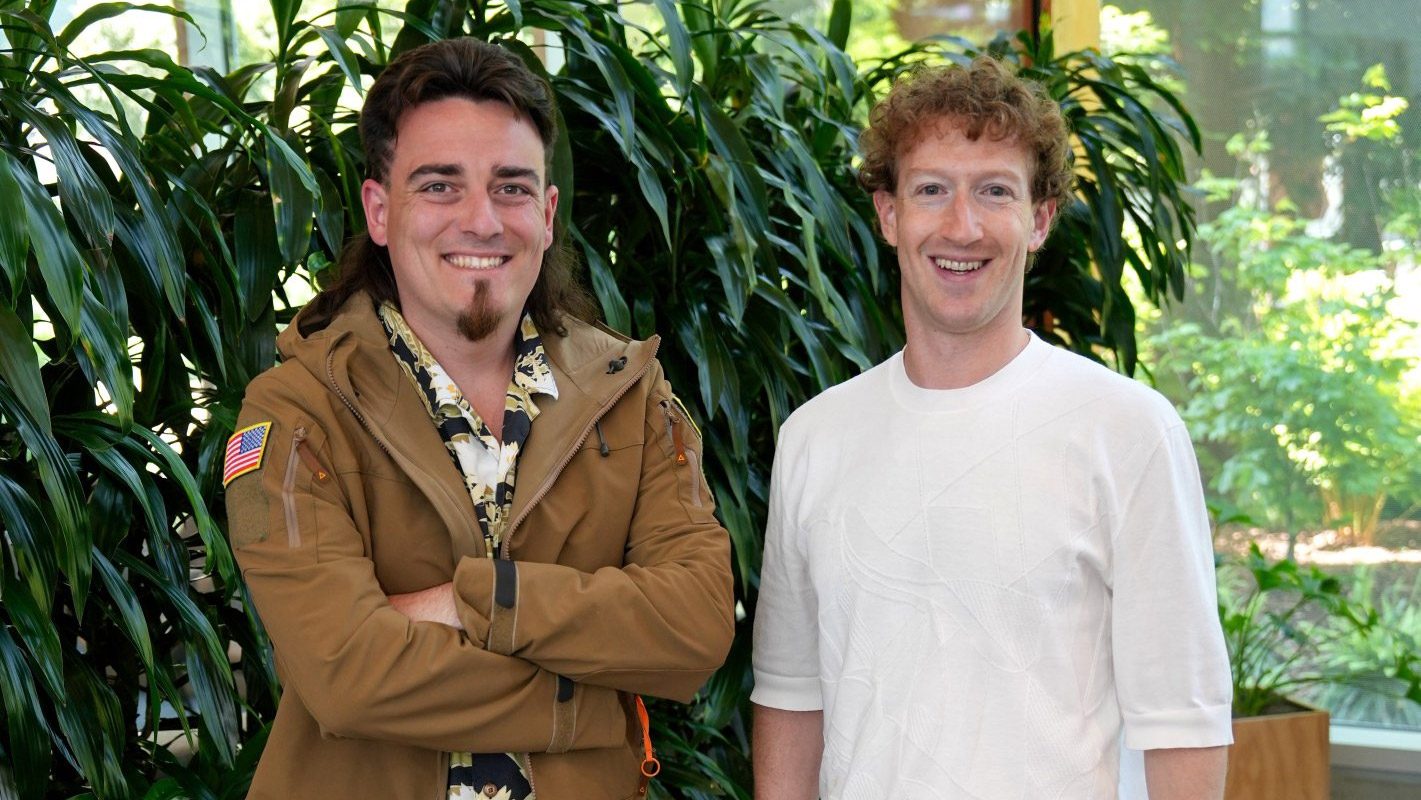
In light of Reality Labs’ reorganization, which has seen recent internal studio closures and layoffs, Oculus founder Palmer Luckey calls the doomer narrative “obviously false.”
The News
Luckey literally kickstarted consumer VR more than a decade ago with the founding of Oculus, which in 2014 was acquired by Meta (ex-Facebook) for $2 billion.
Having departed the company in 2017, Luckey still maintains close ties to the industry; his defense company Anduril is working with Meta to build “the world’s best AR and VR systems for the US military.” So when Luckey voices his opinion, it’s usually from an insiders perspective:
“I have an opinion on the Meta layoffs that is contrary with most of the VR industry and much of the media, but strongly held,” Luckey says in a recent X post.
“This is not a disaster. They still employ the largest team working on VR by about an order of magnitude. Nobody else is even close. The “Meta is abandoning VR” narrative is obviously false, 10% layoffs is basically six months of normal churn concentrated into 60 days, strictly numbers wise.”
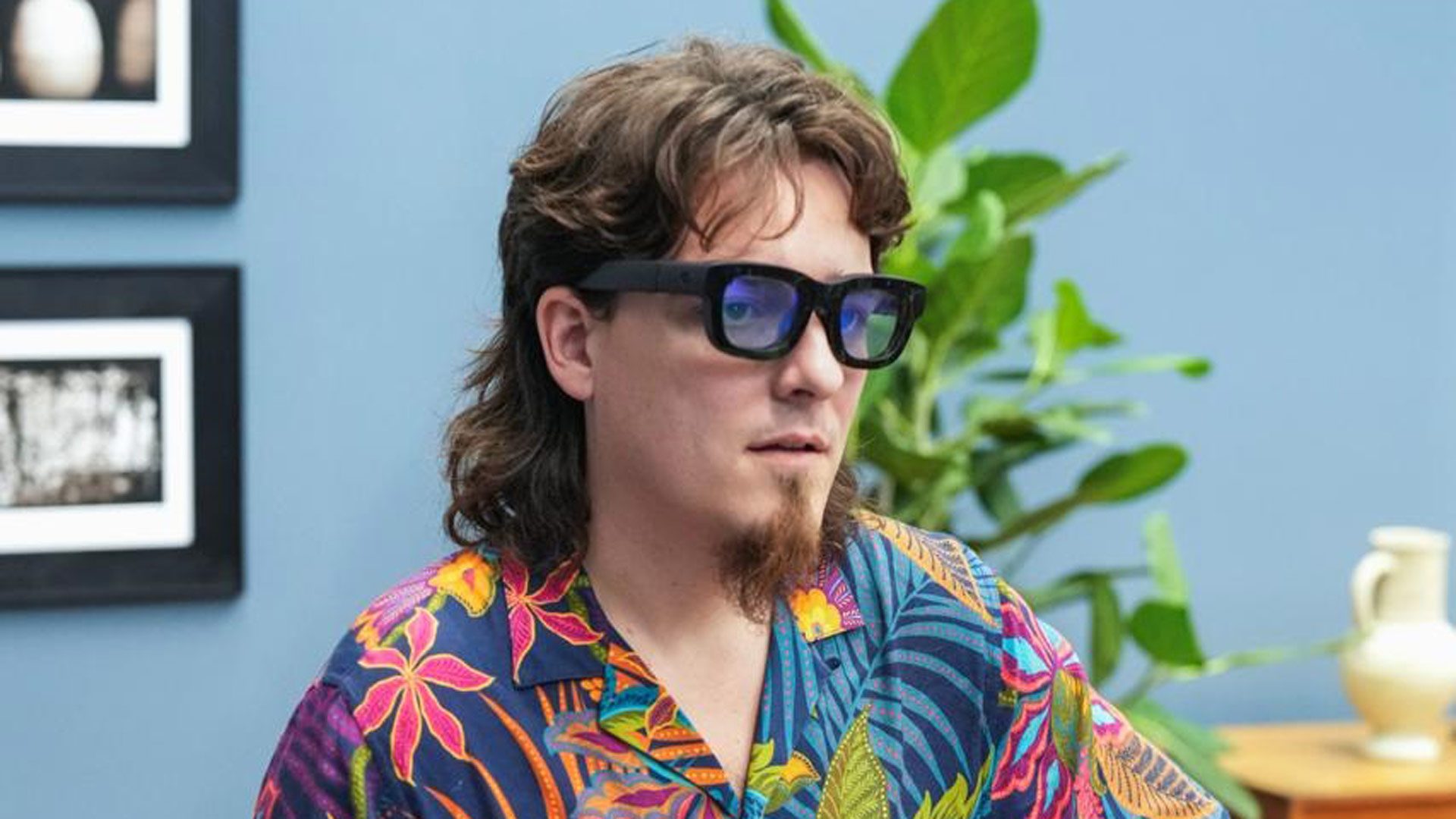
Luckey argues that while Meta’s VR layoffs are regrettable, they’re an overall positive since Meta-funded internal games crowded out third-party developers and diverted resources from core platform and technical progress.
“Some people will say ‘they should have just funded those developers as external studios rather than acquiring them, then!’ Yes, I agree,” Luckey says, admitting that hindsight is 20/20:
“Do you think Oculus expected to only sell 700 copies of Rock Band VR after spending eight figures to make sure it was ready and awesome for Rift CV1 launch, to the point of bundling the guitar adapter with every single headset? Of course not, but sometimes you learn what the world actually wants from you the hard way.”
My Take
The takes are still very hot at the moment, as it’s been less than a week since Meta closed three first-party studios: Armature Studio (Resident Evil 4 Quest port), Twisted Pixel (Deadpool VR), and Sanzaru Games (Asgard’s Wrath).
Details are still coming too, including the revelation that unannounced projects, such as a Harry Potter Quest exclusive and Batman: Arkham Shadow sequel, were reportedly in the works, but are now cancelled.
Maybe this eventually proves healthy for the ecosystem. But right now, it’s hard to call it a clear win when we don’t yet know how far Meta’s pullback goes, or what the ‘plan B’ really is for Quest.
A brief counter to Luckey’s optimism: what if Nintendo announced it was cancelling a bunch of first-party games for Switch 2, and would instead focus on non-gaming platforms? Even if third-party developers benefited in theory, the signal to the market would be unmistakable.
Or maybe the more apt comparison is PSVR 2, where Sony’s quiet pullback from first and third-party funding didn’t “free” the ecosystem so much as signal exhaustion, reinforcing the perception of VR as a medium unable to scale beyond its niche.