Disney Research Shows How VR Can Be Used to Study Human Perception
Researchers from Disney use a virtual reality headset and a real ball tracked in VR to understand the perceptual factors behind the seemingly simple act of catching a thrown object. The researchers say the work sets a foundation for more complex and meaningful dynamic interaction between users in VR and real-world objects.
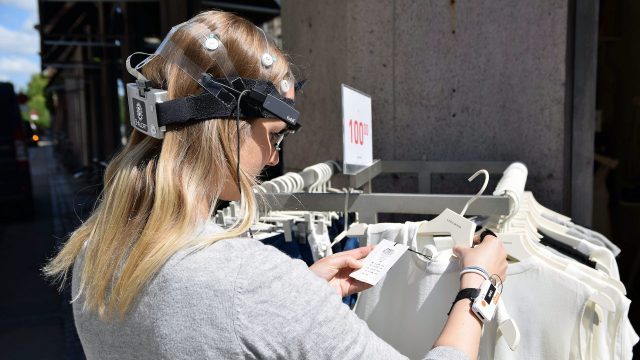
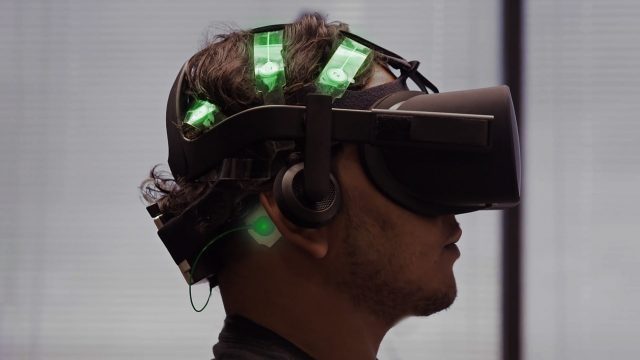
 I recently attended the Experiential Technology Conference where there were a lot of companies looking at how to use biometric data to get insights into health & wellness, education for cognitive enhancement, market research, and more. Over the next couple of years, virtual reality platforms will be integrating more and more of these biometric data streams, and I wanted to learn about what kind of insights can be extrapolated from them. I talked with behavioral neuroscientist

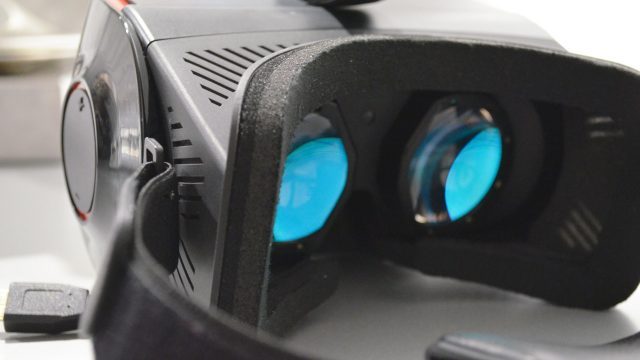
 When I was at the GDC VR Mixer, Jim Preston struck up a conversation about his concerns about privacy in VR. He works at FOVE which is making a VR headset with eye-tracking, but wanted to speak to me on his own behalf about some of the deeper philosophical questions and conceptual frameworks around the types of intimate data that will become available to VR headsets. As more and more biometric data streams are integrated into VR there a lot of complicated and complex ethical questions that he thinks will take the entire VR community needs to figure out.