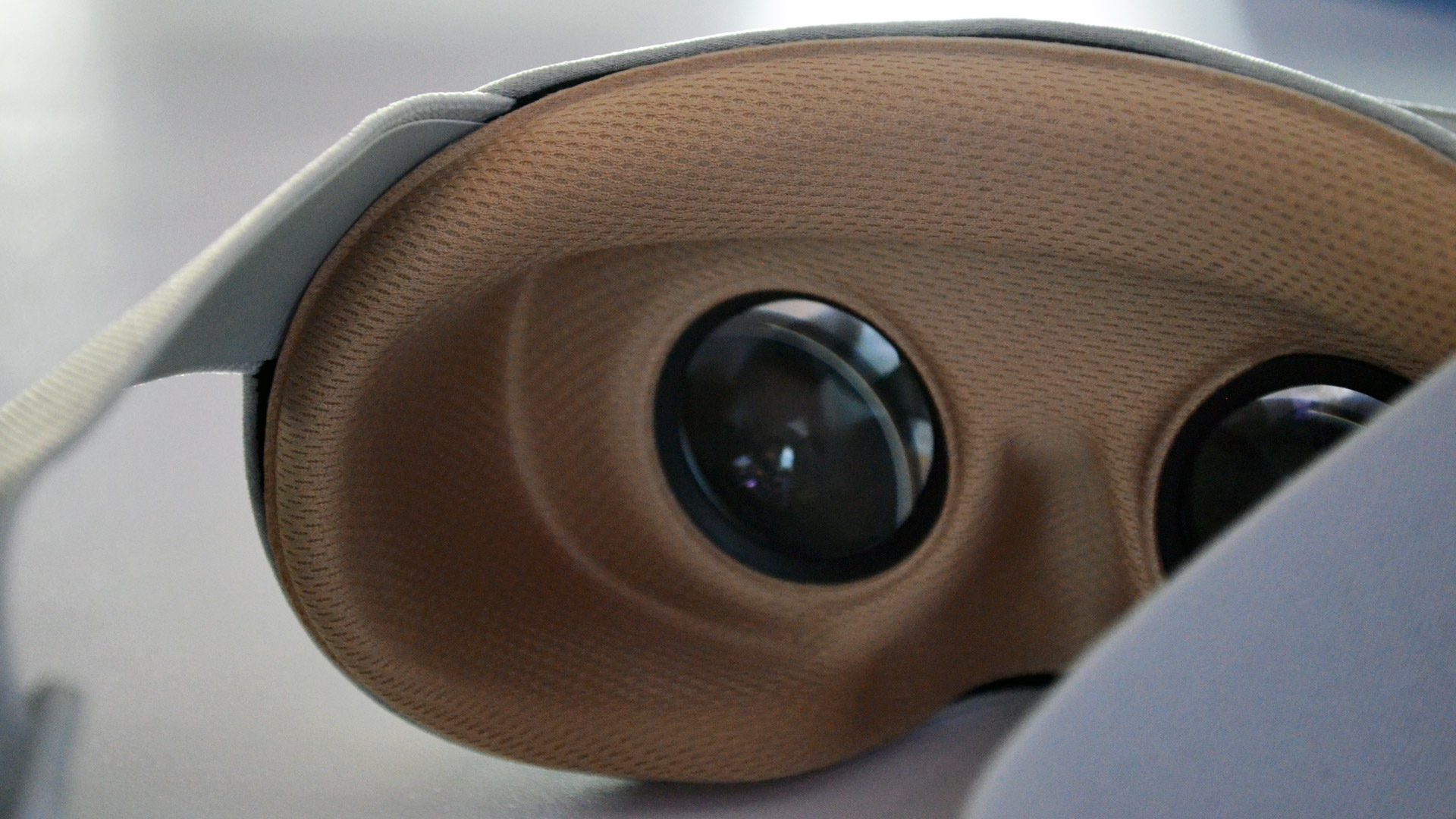
Achieving a wide field of view in an AR headset is a challenge in itself, but so too is fixing the so-called vergence-accommodation conflict which presently plagues most VR and AR headsets, making them less comfortable and less in sync with the way our vision works in the real world. Researchers have set out to try to tackle both issues using varifocal membrane mirrors.
Over the course of the last 50 years, capital markets have significantly codified a generational model approach consumer technology products. New “generations” of products are expected to come at a regular pace and provide increased features and reliability at the same prices. But depending upon the product type, the typical life cycle from one generation to the next can vary greatly. With the first wave of VR headsets now available to consumers, the time will come for the next generation to be announced and eventually launch. But when?
RaceRoom Racing Experience has received a major update that introduces Vive and Rift support through SteamVR. The update also includes a number of improvements and adds new content to this often underappreciated racing sim.
Pearl (2016), a 360 animated short film from director Patrick Osborne and Google’s Advanced Technology and Projects group (ATAP), has landed an Academy Award nomination for this year’s best animated short film, making it the first VR film in the running for an Oscar.
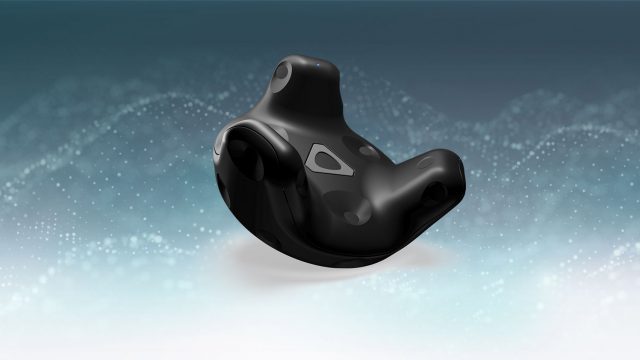
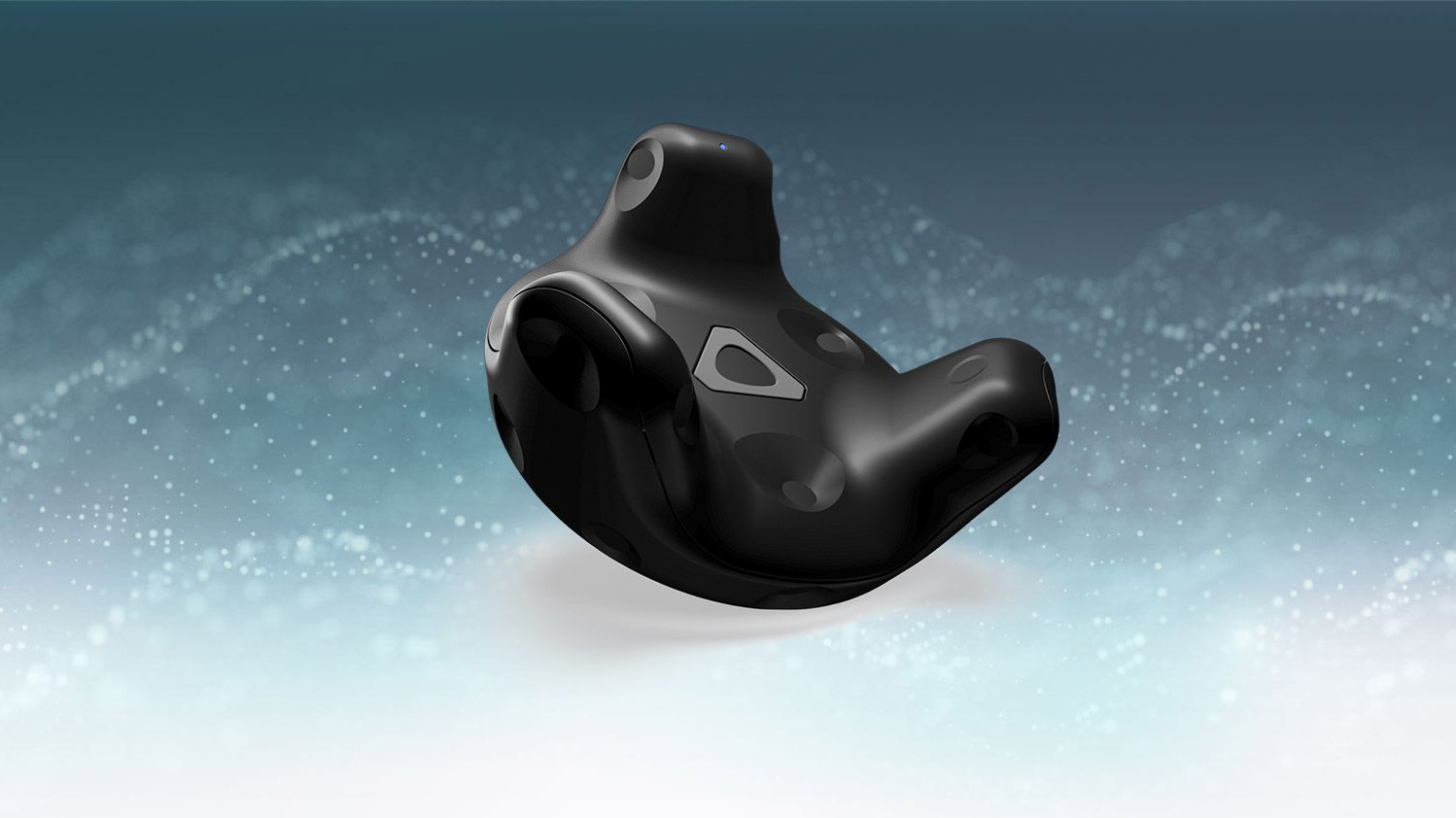
HTC announced earlier in January that they’d be giving away 1,000 Vive Trackers to developers. Applications to get your hands on one of the Trackers are now open through February 7th.
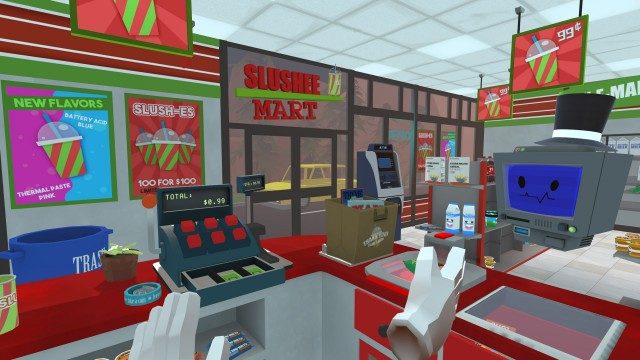
Owlchemy Labs recently announced that Job Simulator has grossed over $3 million, making it one of the most successful indie VR titles to date, and so it’s worth reflecting on some of the design principles of agency and plausibility that have proven to be some of the key affordances of the virtual reality medium. I had a chance to talk to Owlchemy Labs’ Cy Wise at PAX West where she shared with me some guiding principles for Job Simulator as well as some of the more existential reactions from users questioning the nature o reality.
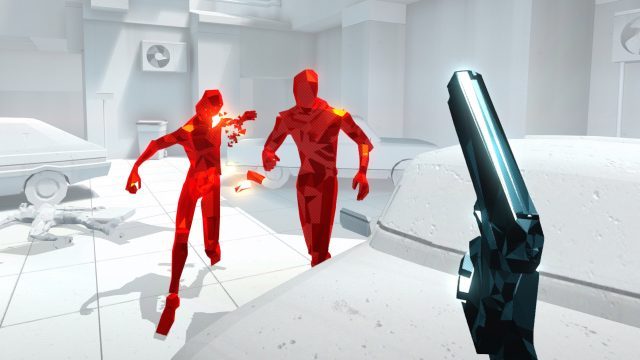
Superhot VR is one of our favorite Oculus Touch launch titles. Like many of the best VR games so far, the thing we craved the most was more. A new update will extend the replayability of the game with several new modes that amp up the challenge.
Earlier this month, a panel of legal experts met at the SIXR Legal Workshop to discuss legal challenges in VR and AR development and how to navigate them. While VR and AR startups have many of the same legal needs as other tech companies, there are some challenges that are unique to the VR and AR space. While the panel focused mainly on the US legal system, some of their guidance also applies in other countries.
SynTouch has created a system that can quantify the sense of touch on fifteen different dimensions called the SynTouch Standard, and they’re one of the most impressive haptic start-ups that I’ve seen so far. SynTouch isn’t creating haptic displays per se, but they are capturing the data that will vital for other VR haptic companies to work towards creating a display that’s capable of simulating a wide variety of different textures. SynTouch lists Oculus as one of their partners, and they’re also providing their data to a number of other unannounced haptic companies.
By March 1st 2017, every title in the Oculus Store will be assigned through the International Age Rating Coalition (IARC) rating process. IARC is a globally streamlined age classification process for digital games and mobile apps.
Altair Digital have announced that they are to bring the wonder of the solar system as historically experienced via your local Planetarium to virtual reality with Fulldome Cinema.
A new job opening at a division of the online retail giant Amazon my indicate the firm is looking to immersive technology to enhance its shopping experience.
HTC announced the Vive Tracker at CES this year, which will enable a range of VR peripherals that are targeted to from consumers to high-end virtual reality arcades. One of the higher-end peripherals that debuted was VRsenal’s VR-15, which has built-in haptics and the same weight distribution as a M-16 and AR-15. I had a chance to catch up with VRsenal CEO Ben Davenport who talked about targeting the digital out-of-home entertainment and VR arcade market with their integrated solutions of commercial-off-the-shelf VR hardware, VR backpacks and haptic vests with customizations and top-of-the-line gun peripherals with an integrated Vive tracker.
LISTEN TO THE VOICES OF VR PODCAST
While VR hardware is expected to continually improve over each successive generation, Davenport makes the claim that
limited real estate within the homes will drive consumers to VR arcades that will be able to provide better compelling experiences given extra space. He says that competitive VR games are limited by teleportation and locomotion constraints, and that being able to physically move around large spaces will open up the types of social interactions that are possible with laser tag or paint ball.
He expects to see a return to the golden era of arcades when they could provide a more compelling and visceral experience than what’s possible with consumer VR within a home. High-end haptic devices will also likely be a differentiating factor as the passive haptic feedback from the VR-15 peripheral combined with embodied gameplay is able to deliver a compelling experience that people will be willing to pay for. He also expects to people eventually going through non-gaming and non-entertainment virtual and augmented experiences while they are co-located in the same physical environment.







 Owlchemy Labs recently