
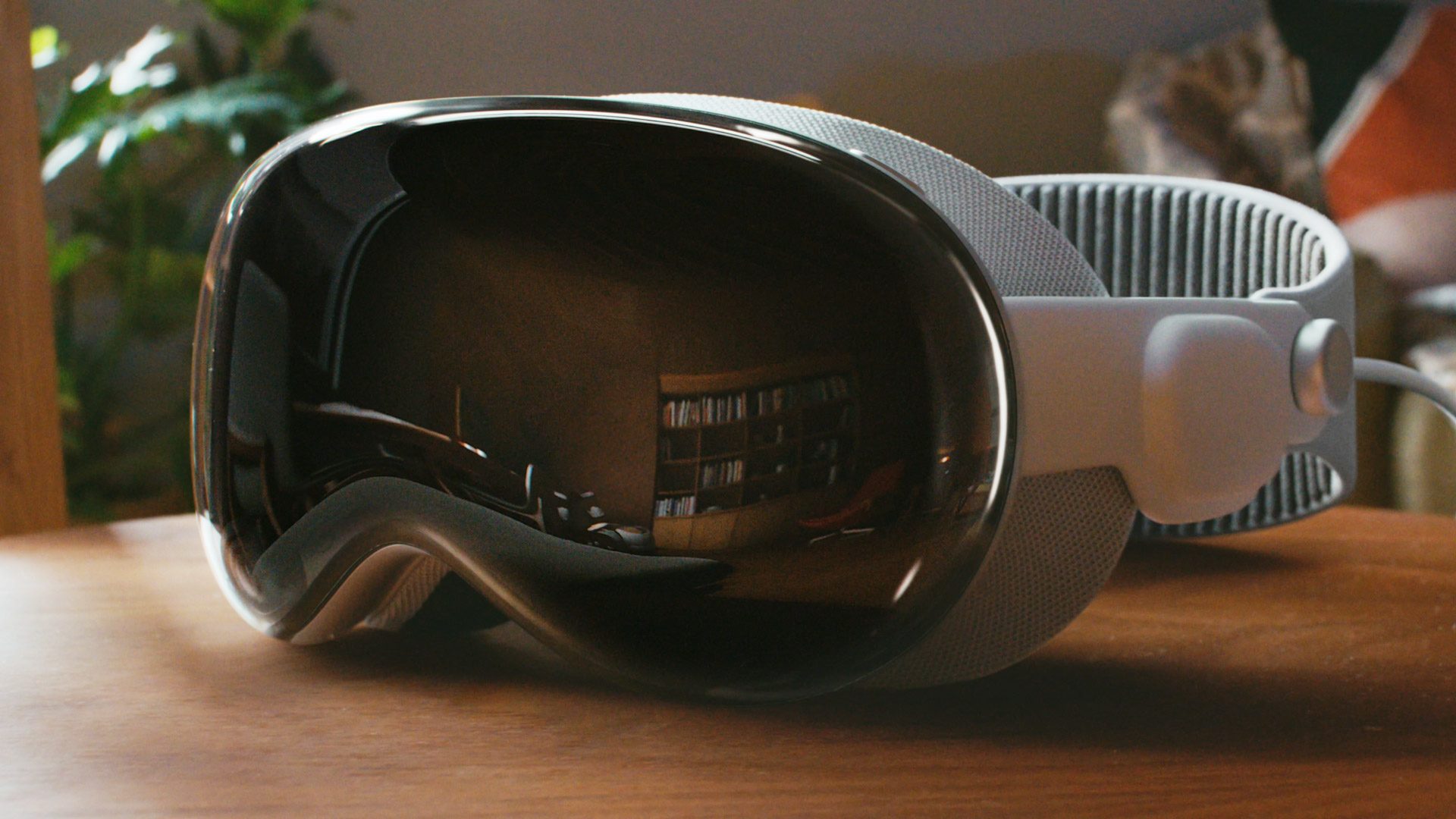
Apple seems to be releasing its next Vision Pro with M5 chip soon, but according to a new report from Bloomberg’s Mark Gurman, the company may have shelved plans for a follow-up headset that’s cheaper and lighter in favor of releasing smart glasses set to compete with Meta.
The News
According to previous rumors, Apple was developing a Vision Pro follow-up more squarely aimed at consumers—often referred to as ‘Vision Air’ (codenamed ‘N100’). Analyst Ming-Chi Kuo reported in September that Vision Air was expected to be “over 40% lighter and more than 50% cheaper” than the current Vision Pro, putting the device at less than 400g and less than $1,750.
Notably, a hardware refresh of Vision Pro featuring Apple’s latest M5 chip is likely releasing soon, according to recent FCC filings, although its 600g weight and $3,500 price tag are likely to remain the same.
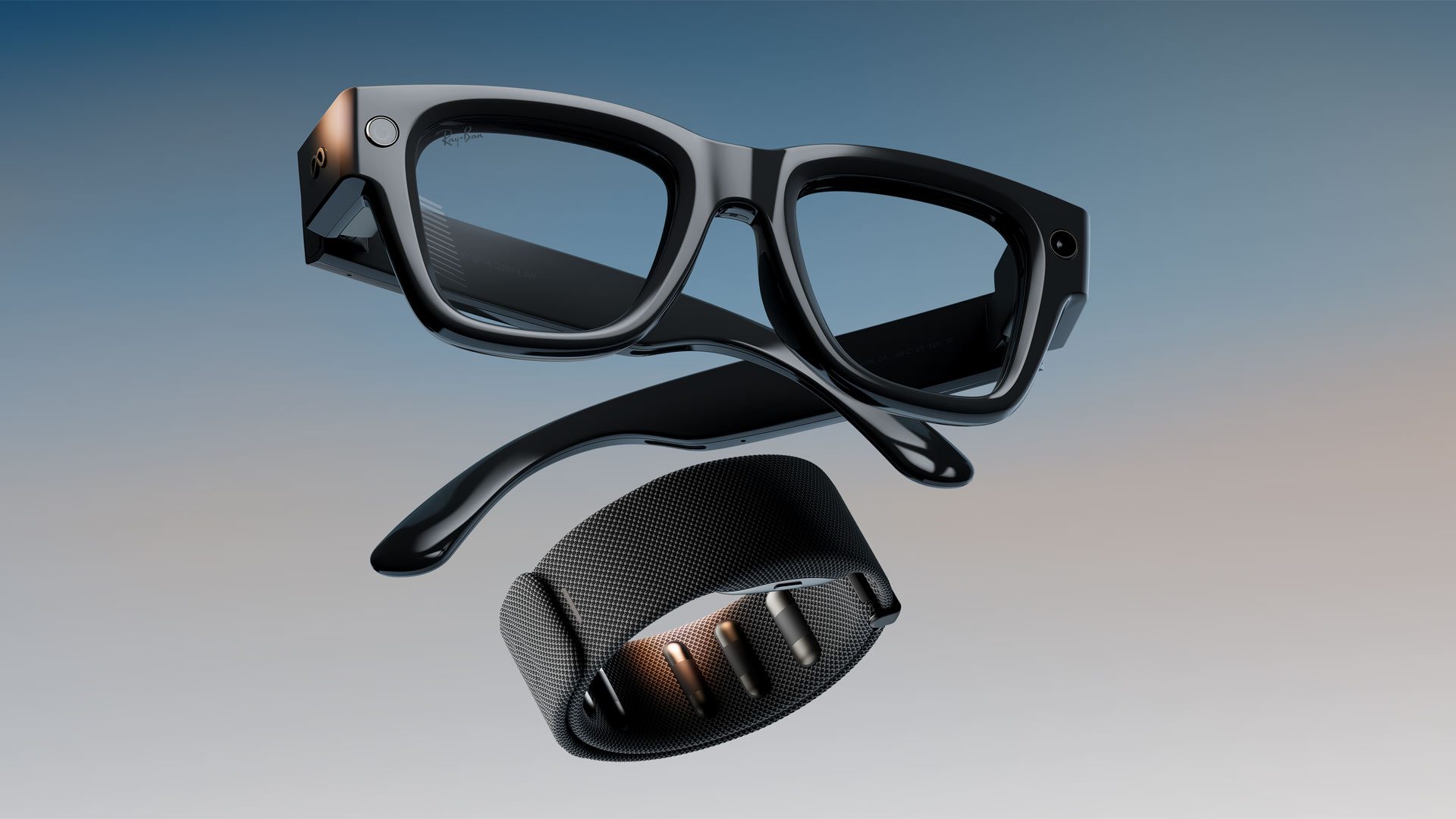
Now, Bloomberg’s Mark Gurman maintains Apple is putting Vision Air on hold, citing internal sources. Instead, Apple is reportedly shifting resources to accelerate development of smart glasses, which aim to take on Ray-Ban Meta and the new Meta Ray-Ban Display glasses.
Gurman reports that Apple is pursuing at least two types of smart glasses: an audio-only pair codenamed ‘N50’, which are meant to pair with iPhone, and ostensibly compete with Meta’s fleet of $300+ smart glasses built in partnership with EssilorLuxottica. Apple is reportedly set to preview N50 as soon as 2026, with a release by 2027.
A second pair is said to contain a display, similar to Meta Ray-Ban Display, which launched late last month in the US for $800. In contrast, Apple’s display smart glasses were expected to release in 2028, however the company is reportedly fast-tracking the device’s development.
Both versions are said to emphasize voice interaction and AI integration, and offer multiple styles and a new custom chip to power the devices.
My Take
The shifted development timeline feels a little out of character for Apple, which typically enters segments after a technology is generally proven. Apple didn’t invent the smartphone, smart watch, laptop, or desktop, although it owns a significant slice of each in 2025 thanks to its unique brand of ‘ecosystem stickiness’ and inherent cool factor.
The entrance of Meta Ray-Ban Displays however marks an important inflection point in the race to own the next big computing paradigm. Smart glasses with displays aren’t the end destination, but they are an important stepping stone along the way to all-day augmented reality. And a strong foothold in AI is integral.
“Let’s wait and see what Apple does” has been a pretty common thought process when it comes to emergent tech—something people have been saying for years in VR. The big hope was Apple would eventually swoop in, redefine VR for the masses, and make the best version of it with their first device.
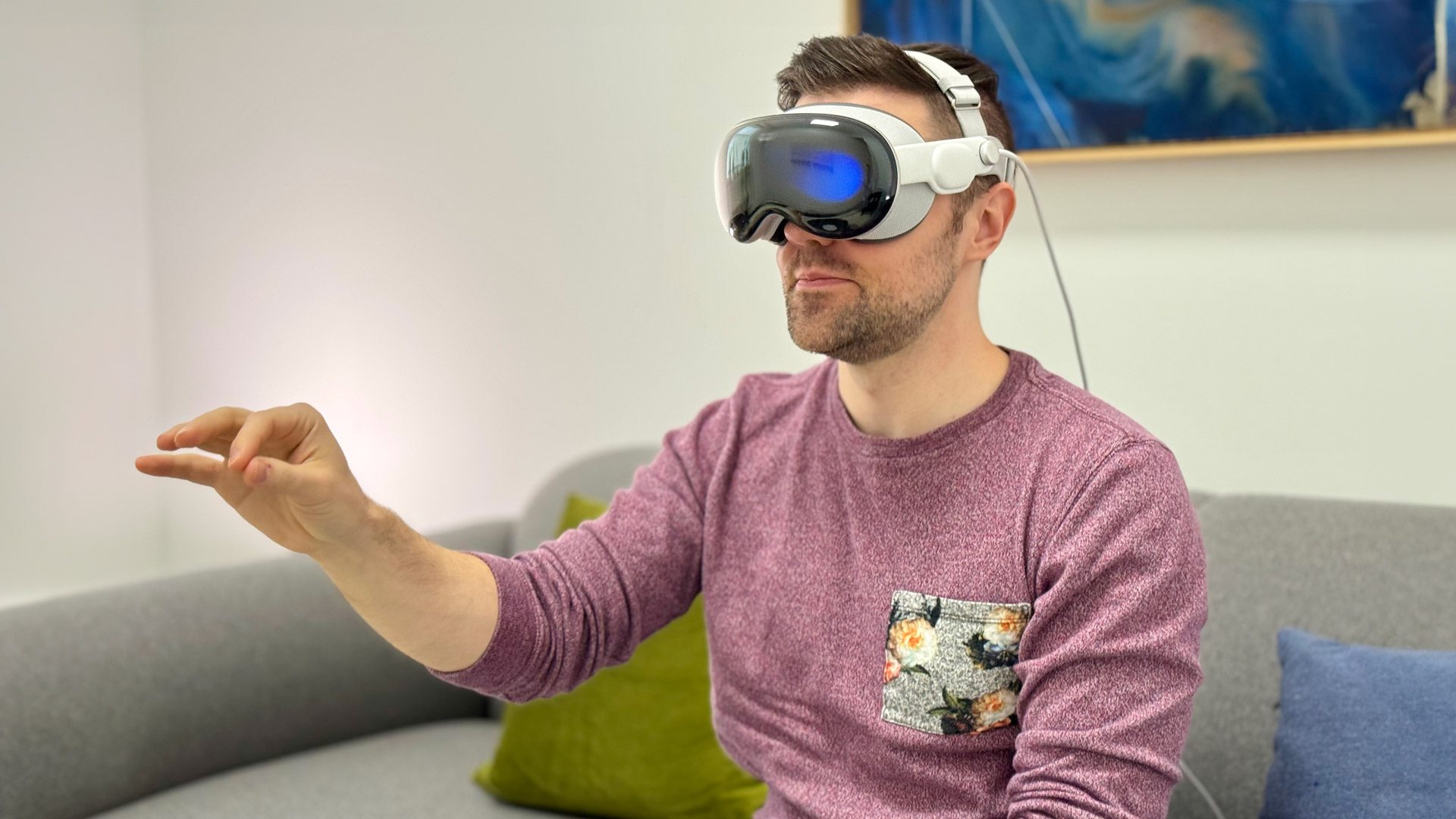
But Vision Pro isn’t the first-gen iPhone (2007). While a lighter, cheaper version could address pain points, it would still have a hard time not drawing direct comparisons to Meta devices 5-10 times cheaper.
But AI isn’t one of those technologies you can afford to sleep on, if only from a user data collection perspective. In contrast to its biggest competitors, Apple has notably lagged in AI development, having only released its Apple Intelligence platform in late 2024 to counter Google Gemini, Microsoft Copilot, and OpenAI’s ChatGPT. Apple needs to play catchup.
While Apple is expected to release a rebuilt Siri this year to power its hardware ecosystem, smart glasses are the tip of the AI spear. Even without displays, wearing an always-on device represents a treasure trove of data and user behavior that companies will use to improve services, figure out what works and what doesn’t, and ultimately build the next big platform that companies have been salivating over: all-day AR glasses.
That’s the real battle here. Not only does Apple need smart glasses to compete in the next computing paradigm, but they also need them to bridge a very real component price gap. Economies of scale will eventually bring fiddly components down in price, like the extremely expensive and difficult to manufacture silicon carbide waveguides seen in Meta’s Orion AR prototype revealed at last year’s Connect, which cost the company $10,000 each to build. Companies also need to create parts capable of fitting into a glasses form factor, with smart glasses representing an important first testing ground.