
Meta is Deleting ‘Horizon Workrooms’ Next Month as Metaverse Ambitions Cool

5

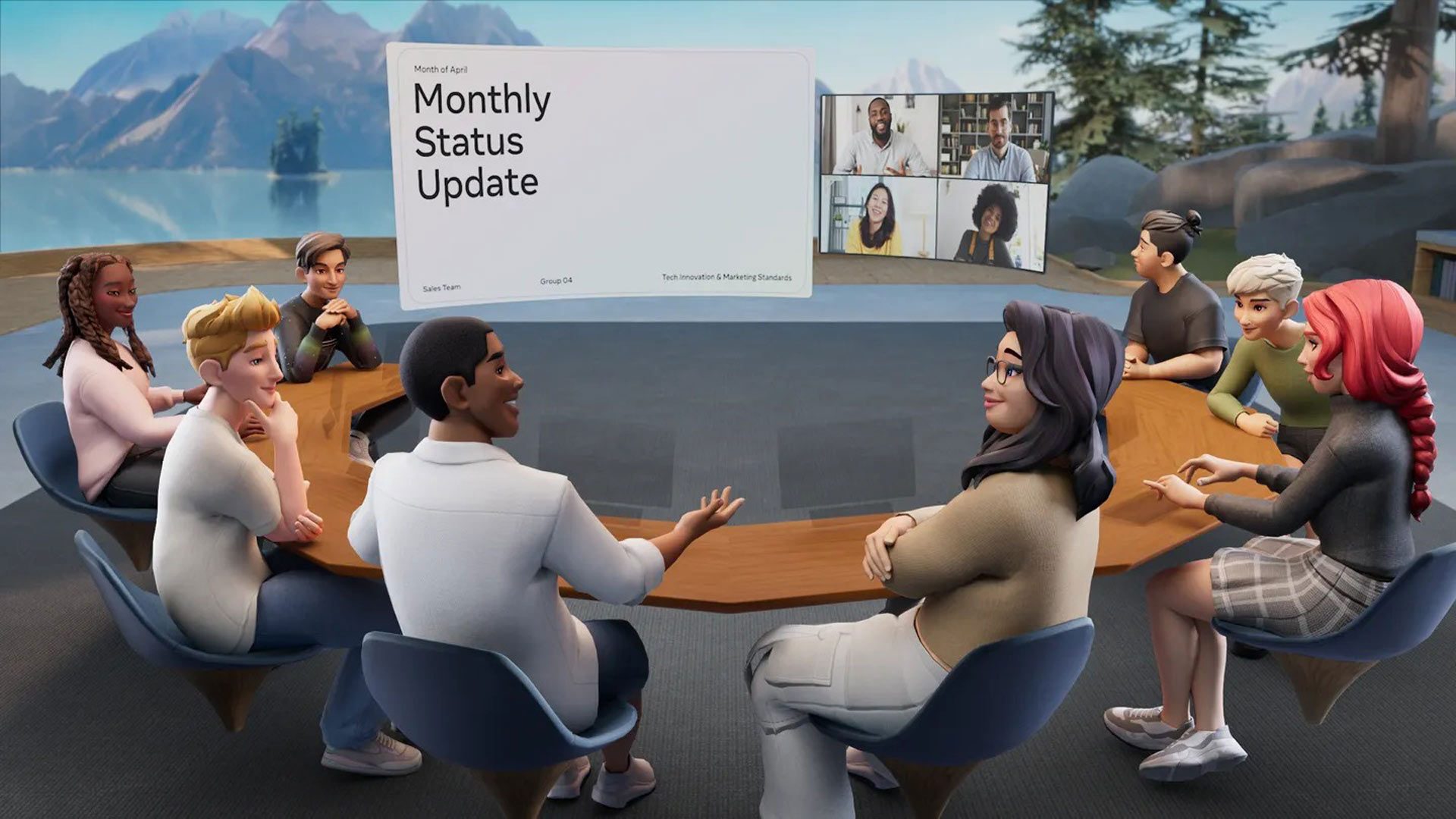
Meta announced it’s discontinuing Horizon Workrooms next month, its productivity-focused VR platform, marking another step in the company’s ongoing restructuring of its VR and metaverse strategy.

Originally launched in 2021 on Quest 2, Workrooms was not only the company’s answer to remote work following the COVID-19 pandemic, but also a first big push to make the Quest platform into a productivity device.

The platform allows up to 50 total participants to interact in a shared space, which includes a mix of 16 Quest users (max) and users patching in through standard video calls.
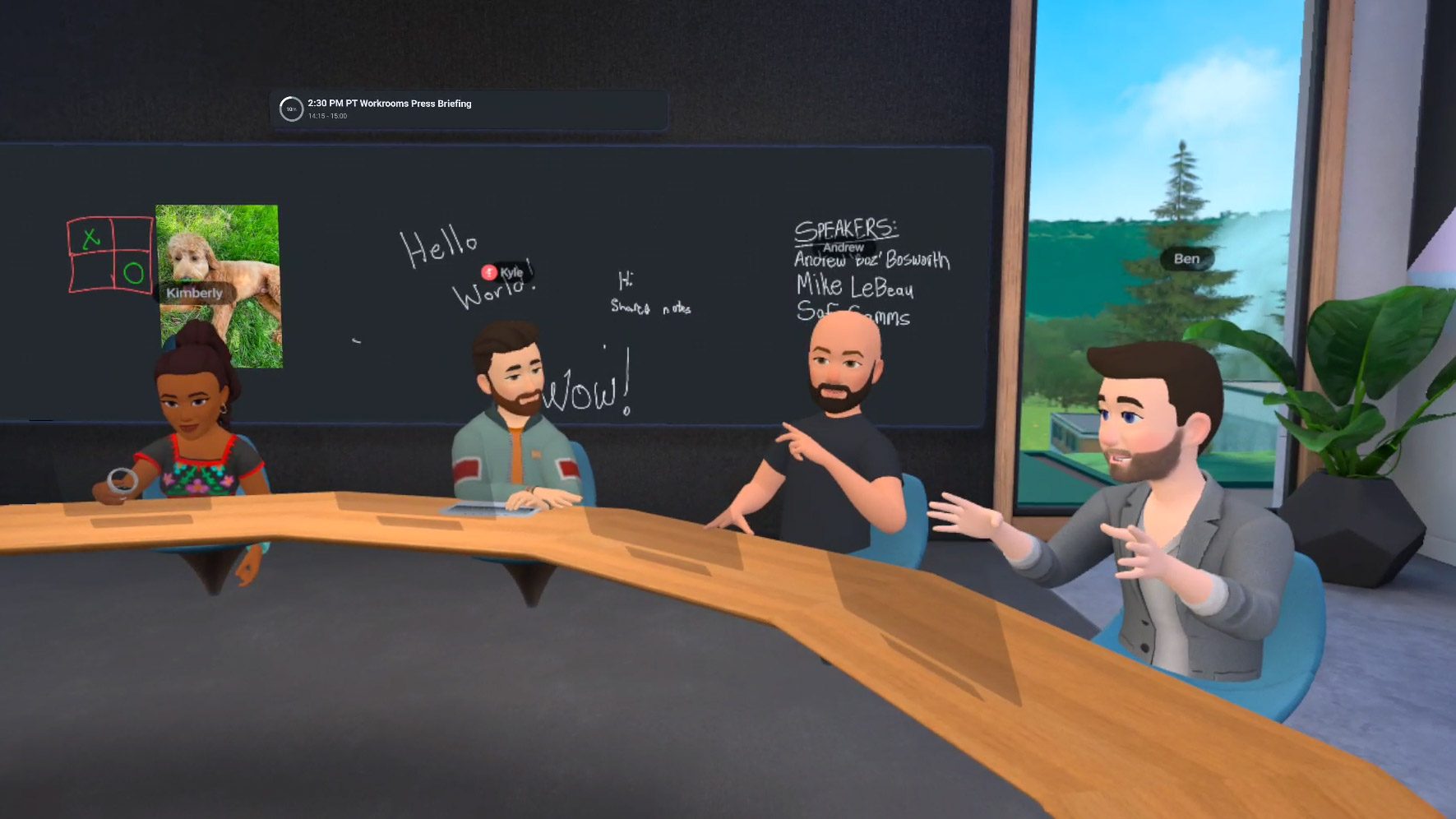
Image courtesy Meta

Amid a drastic budget reduction in VR and metaverse though, which has seen the closure of three internal XR game studios and a reported 10 percent of Reality Labs laid off, Workrooms is also getting the boot next month.

SEE ALSO
Meta Discounts Certified Refurbished Quest 3S to $216 Ahead of Black Friday

Workrooms showed how Meta Horizon can help bring people together to work, collaborate and connect. Meta Horizon has since developed into a social platform that supports a wide range of productivity apps and tools,” Meta says in a Horizon Workrooms help thread. “As a result, Meta has made the decision to discontinue Workrooms as a standalone app, effective February 16, 2026.”

For existing users, Meta has not announced a direct replacement for Workrooms; the company suggests users look into third-party apps such as Arthur, Microsoft Teams Immersive and Zoom Workplace.


This article may contain affiliate links. If you click an affiliate link and buy a product we may receive a small commission which helps support the publication. See here for more information.

Well before the first modern XR products hit the market, Scott recognized the potential of the technology and set out to understand and document its growth. He has been professionally reporting on the space for nearly a decade as Editor at Road to VR, authoring more than 4,000 articles on the topic. Scott brings that seasoned insight to his reporting from major industry events across the globe.
  • Nevets

    When Oculus held the future of early VR and VR awareness in its hands, everything felt really exciting, like the herald of a new dawn. As soon as Facebook bought Oculus, it seemed obvious that their gameplan diverted in an entirely different direction. It was just a case of waiting to see how far they made a hash of the dream. As it turned out, they did a lot of wonderful stuff, but their top brass are f*cking morons. I wonder if they will have the respect to tell their consumer users what happens next.

  • Christian Schildwaechter

    Facebook's early motto was "move fast and break things". It seems we are now firmly in the breaking things phase.

  • Arturs Gerskovics

    The Great Exodus has begun

  • JanO

    While I appreciate what Meta has done for VR in general, they have been incredibly clumsy in their overall strategy… As a "data driven company", they never understood that their usual ways can't work with something NEW that has a VERY SMALL user base.

    VR needs a company with balls, a spine and espescially, a vision…

    55 years old VR software company COO here. Always felt Meta was just as unreliable as Google when it was time to invest in their platforms, but we still did, for lack of a better option. The main thing is companies need to have faith in the platform provider's commitment. Just as Google, Meta has demonstrated the are only commited to themselves…

    Zuck, Boz, if you wanna talk… ; )

  • Rogue Transfer

    This isn't good news for the planned Phoenix headset next year. With Phoenix's main purposes being for productivity and media viewing, Meta's just pulled the rug from their own productivity Workrooms here.

    I'm beginning to think Phoenix is likely to end up cancelled, after being delayed until next year for not being reliable or polished enough to release. Just like Meta cancelled Pismo Low & High Quest 4 prototypes last year to restart a new Quest 4 prototype this year(also now in doubt with their closing half their game studios & reducing the rest to skeleton staffing numbers of a "handful of people" for their premiere game studio).

    Since Meta no longer have the productivity side for Phoenix, that just leaves media viewing, and we know not many people are going to pay ~$800 to put on a bulky pair of VR glasses just to watch media(see 3D glasses' failure). Especially since Phoenix isn't planned to come with controllers and rely on hand-tracking, so again, not aimed at gaming, the core use case for all VR devices.

    Will Phoenix rise from these ashes in 18 months? Seems likely it'll be cut before then, as Meta switches more focus to smart-glasses.