Google Shares New Research into Foveated Rendering Techniques

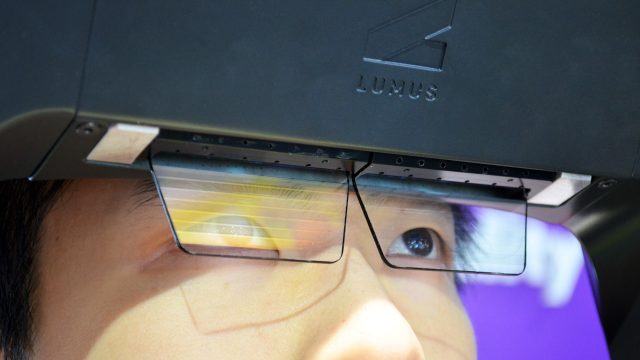
Display resolutions are growing, but the graphical processing power to serve these displays with content isn’t growing at the same rate. Enter foveated rendering, a technique commonly held as one of the next logical steps in making VR headsets more immersive. While the idea itself is well understood; track the user’s eye movements and only render the most central area to the eye in high-definition, leaving the rest to fuzz in the peripheral unnoticed, it isn’t a fully solved problem at this stage. To that effect, Google Software Engineer Manager Behnam Bastani and Daydream Software Engineer Eric Turner recently posted a quick overview of a few techniques in the company’s nascent foveated rendering pipeline for AR/VR. Here’s a slightly less technical version: