Oculus Acquires Eye-Tracking Company The Eye Tribe

The Eye Tribe, a Denmark-based eye-tracking startup, today confirmed they’ll be joining the ranks of Facebook’s Oculus VR.
The Eye Tribe, a Denmark-based eye-tracking startup, today confirmed they’ll be joining the ranks of Facebook’s Oculus VR.
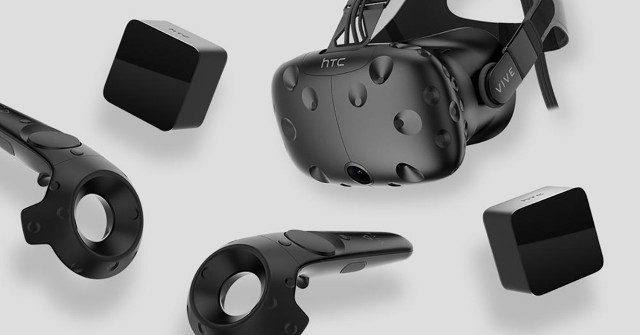
 Microsoft’s after-holiday sale has one of the best HTC Vive deals we’ve seen yet, offering $100 off of the headset’s original price along with an additional $100 gift card to the Microsoft Store.

 Larry Hodges is a professor of human computer interaction at Clemson University, and he was one of the co-chairs of the very first IEEE VR academic in 1999. Hodges also co-founded a start-up named Recover, which originated from a successful research project into stroke recovery done by his student Austen Hayes. Inspired by the latest research into neurorehabilitation & skill relearning, they create a Kinect-based experience that gamifies the rehab exercises that 85% of people don’t do because they’re either too boring or painful. They’re able to inspire stroke recovery patients to do extended rehab practices while also progressively increasing the difficulty of the tasks over time as they slowly get better.
I had a chance to catch up with Larry at the IEEE VR academic conference in March 2016, where we talked about the history of the IEEE VR conference, his work with stroke rehabilitation and virtual therapy along with some of the results that they’re seeing, as well as some of his research on treating PTSD with virtual reality.
Sairento VR is a new made-for-VR first person action game which manages to distil everything that was cool about SUPERHOT VR, Raw Data and adds its own locomotion system for something which promises to be even cooler than either of them.
Senso is a new virtual reality glove input device that offers per-finger haptic feedback and the ability to simulate differences in temperature – all tracked via a camera-less IMU-based system.
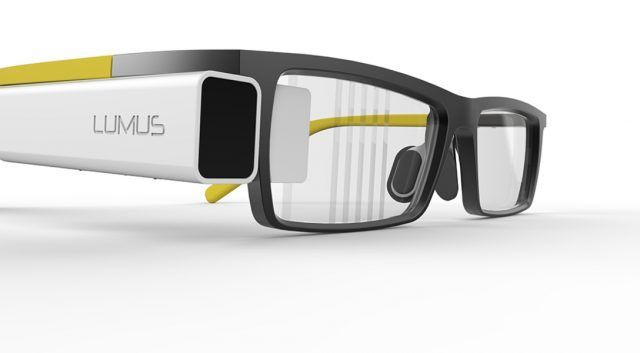
Lumus Ltd. recently confirmed a $30 million funding round led by Quanta and HTC. Lumus is a leading provider and developer of augmented reality technology.

Dating Lessons is an interactive dating course created by VR developers Cerevrum Inc. and self-styled seduction coach Manish “Magic” Leone. Supposedly tailored for heterosexual men with low self-esteem or shyness with the opposite sex, the dating course offers 11 lessons and 7 practical interactive sessions that promise to “give men tools to enhance their power of attraction and develop behavior patterns to handle stress and anxiety.”

 Felix & Paul Studios have been innovating on their own immersive VR camera technology since they pioneered the first-ever stereoscopic VR video with Strangers with Patrick Watson. They went on to sign a deal with Oculus Studios to produce a number of different 360 videos including the Introduction to Virtual Reality and a series of anthropological documentaries with Nomads.
I had a chance to catch up with Félix Lajeunesse and Paul Raphaël at Oculus Connect 3, where they were debuting their third VR collaboration with Cirque du Soleil with KÀ: The Battle Within, which features some of the most mind-bending, physics-based acrobatic choreography that I’ve ever seen. They continue to innovate with their camera technology to do things that other camera systems cannot, including maintaining decent stereoscopic effects within the near-field, better dynamic range and control over the framerate. In their Through the Ages: President Obama Celebrates America’s National Parks VR experience, they adapted their camera so that it could capture some awe-inspiring, time-lapse sequences at Yosemite National Park.
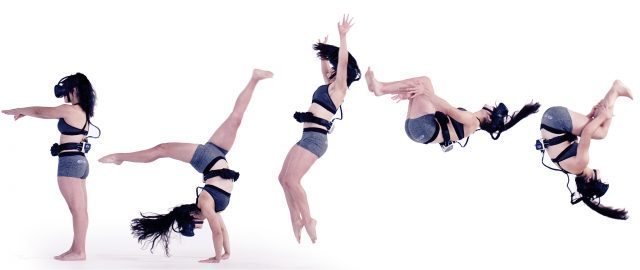
Australian startup Immersive Robotics are poised to deliver what they claim is a truly universal wireless solution for PC VR headsets that delivers tether-free virtual reality with minimal compromises in quality and extremely low latency.
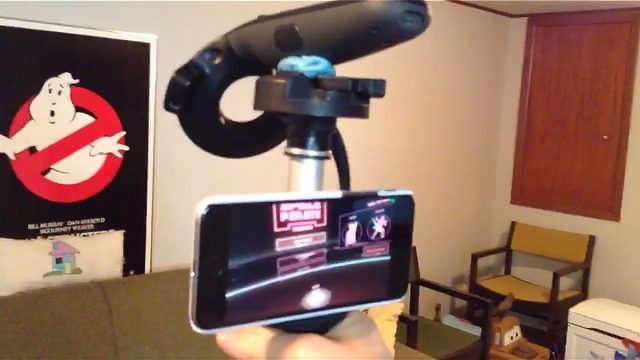
VFX professional Kert Gartner has been pioneering new ways to make capturing virtual worlds as compelling as filming in the real world. His latest technique makes a real virtual camera out of an extra Vive controller and a smartphone.
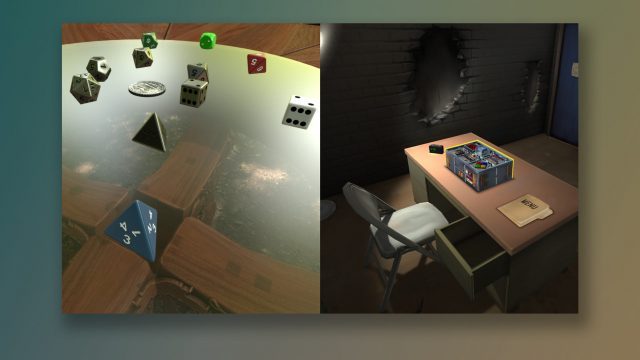
Tabletop Simulator (2015) and Keep Talking and Nobody Explodes (2015) are the two virtual reality-enabled games nominated for the very first Steam Awards. The winners will be announced on New Year’s Eve after a period of public voting.

AxonVR, the company currently working on a full-body haptic solution for VR, are on their way to bringing their technology to an ever-widening audience. Announced today via an official NVIDIA blogpost, AxonVR says that the company’s fledgling haptic engine is actually built on top of NVIDIA’s PhysX, a middleware SDK that provides GPU acceleration for complex, real-time physics simulations.
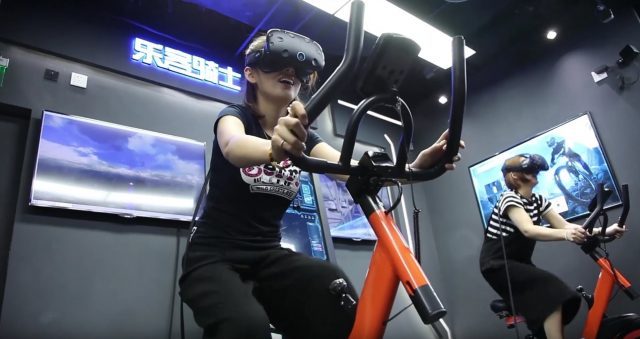
HTC’s out of home VR initiative is taking shape as the company officially unveils plans for Viveport Arcade in China and Taiwan and a partnership with Leke VR’s “offline content distribution system” in a thousand locations before the close of 2016 and thousands more by 2017’s end.
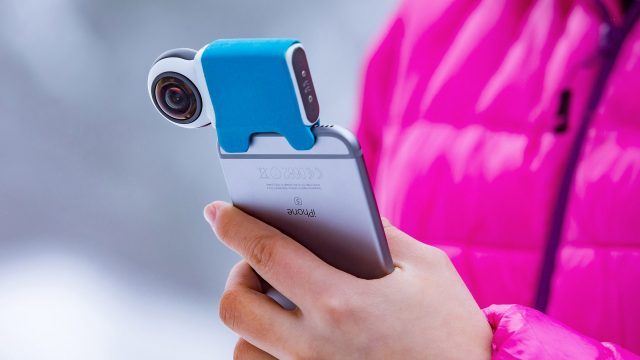
Giroptic, creator of the standalone ‘360cam’, today announced the launch of the iO 360 camera which attaches to any Lightning-enabled iPhone or iPad.