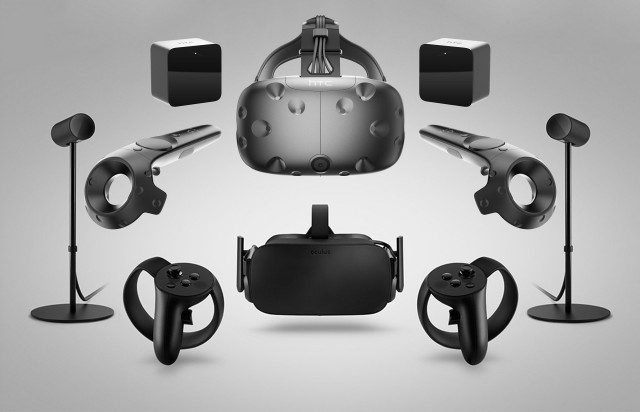
Following Rift Delay, HTC Vive Backorder Pushes Into June
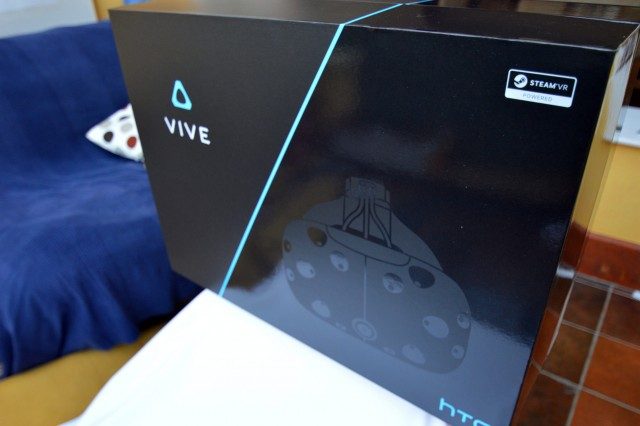
The HTC Vive opened for pre-orders back at the end of February and officially launched just last week on April 5th. The headset’s backorder date is now into June for new orders.
The HTC Vive opened for pre-orders back at the end of February and officially launched just last week on April 5th. The headset’s backorder date is now into June for new orders.
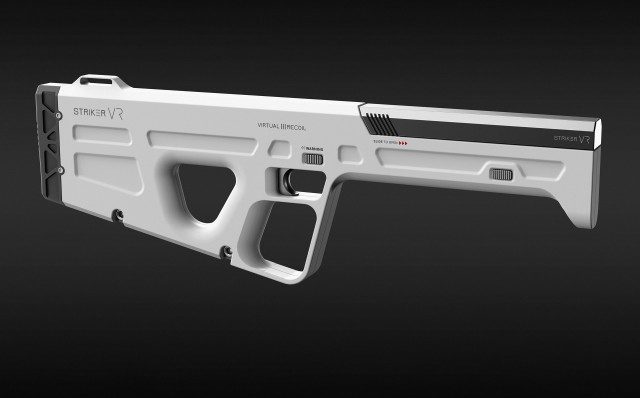
Striker VR is moving ahead with their haptic gun technology that we’ve been anticipating for some time now. The company today has revealed their latest prototype design of the ‘ARENA Infinity’ which is headed first to out-of-home VR arcade installations.
At Facebook’s developer conference F8 in San Francisco today, the company have unveiled their latest push into the immersive, VR video arena – a rugged, production ready 360 3D camera and video stitching pipeline capable of 8k per eye spherical images.
This enthusiast video which uses green screen video capture to fuse virtual reality footage, demonstrates how impressively accurate VR racing games are becoming.


 At GDC this year, I had a chance to talk with Valve developer Jeremy Selan and tracking engineer Ben Jackson about the evolution of room-scale tracking technologies, as well as some of the oral history stories that include some of their favorite memories and types of experiences within VR. They didn’t talk about any specific future plans for things that they’re not ready to talk about yet, but Jeremy did allude to the fact that there’s a lot of latent hardware functionality that’s shipping with the Vive that can be turned on with a software update. We also speculate a bit about the potentials of using the front-facing camera to track static objects with fiducial markers, the desire to go beyond room-scale in VR, and using controllers to prototype tracking other body parts until Valve presents a solution that makes it easier and more aesthetically pleasing.
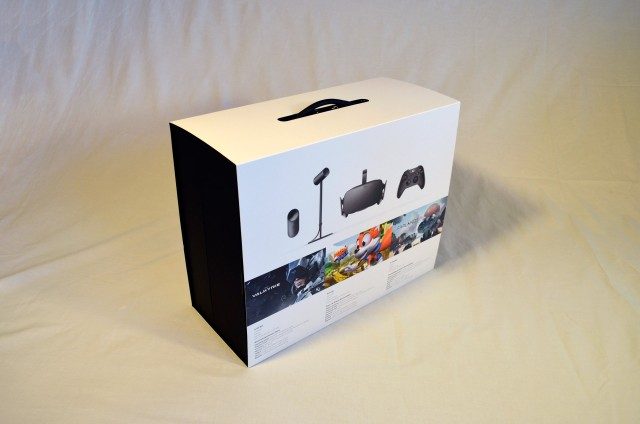
Unfortunately some more bad news for early adopters who pre-ordered the Rift and expected it to arrive on or around the March 28th launch date. The delay has now pushed expected shipping dates of some day-one pre-orders into late May and even June.
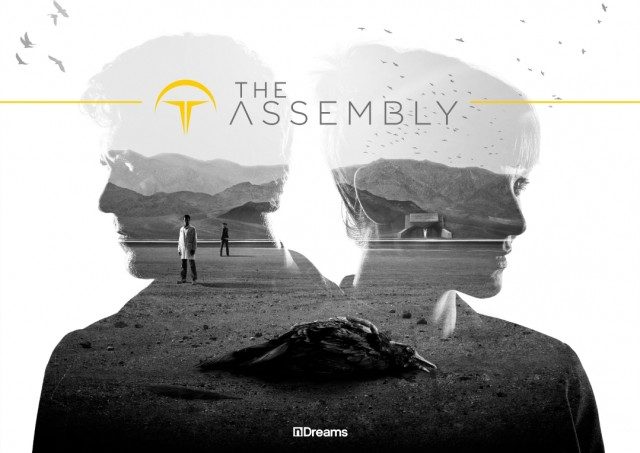
 Rob Morgan is the writer of The Assembly, and he spoke last year at GDC about narrative design in VR and the importance of accurate body language in NPCs to maintain a sense of presence. He returned to GDC this year to talk about some of his lessons that VR can learn from writing stories in AR. He has a lot of interesting insights about how to use ambiguity and implication to drive narratives within a first-person story to allow a user to have a more immersive and personalized experience.
Backed with support from NASA, the development of Mars 2030 is underscored by a singular mission: do everything possible to make the player feel like they’re actually on Mars. And that, apparently, means starting with a massive, detailed recreation of an actual part of the planet’s surface.
The latest release of VorpX, the VR injection driver that lets you play your favourite non VR games in VR, is here and it brings support for the consumer edition (CV1) Oculus Rift.
The folks over at iFixit have taken the shiny new Oculus Rift consumer VR headset and pulled it apart to find out exactly what’s inside. Among a look at the headset’s IR LED placement and circuit boards, we get a glimpse of unique lenses.
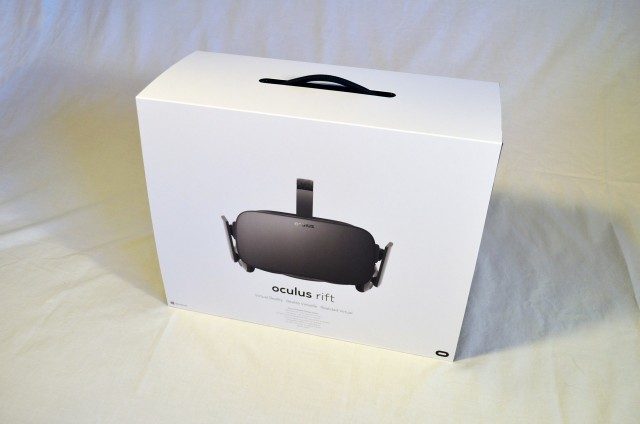
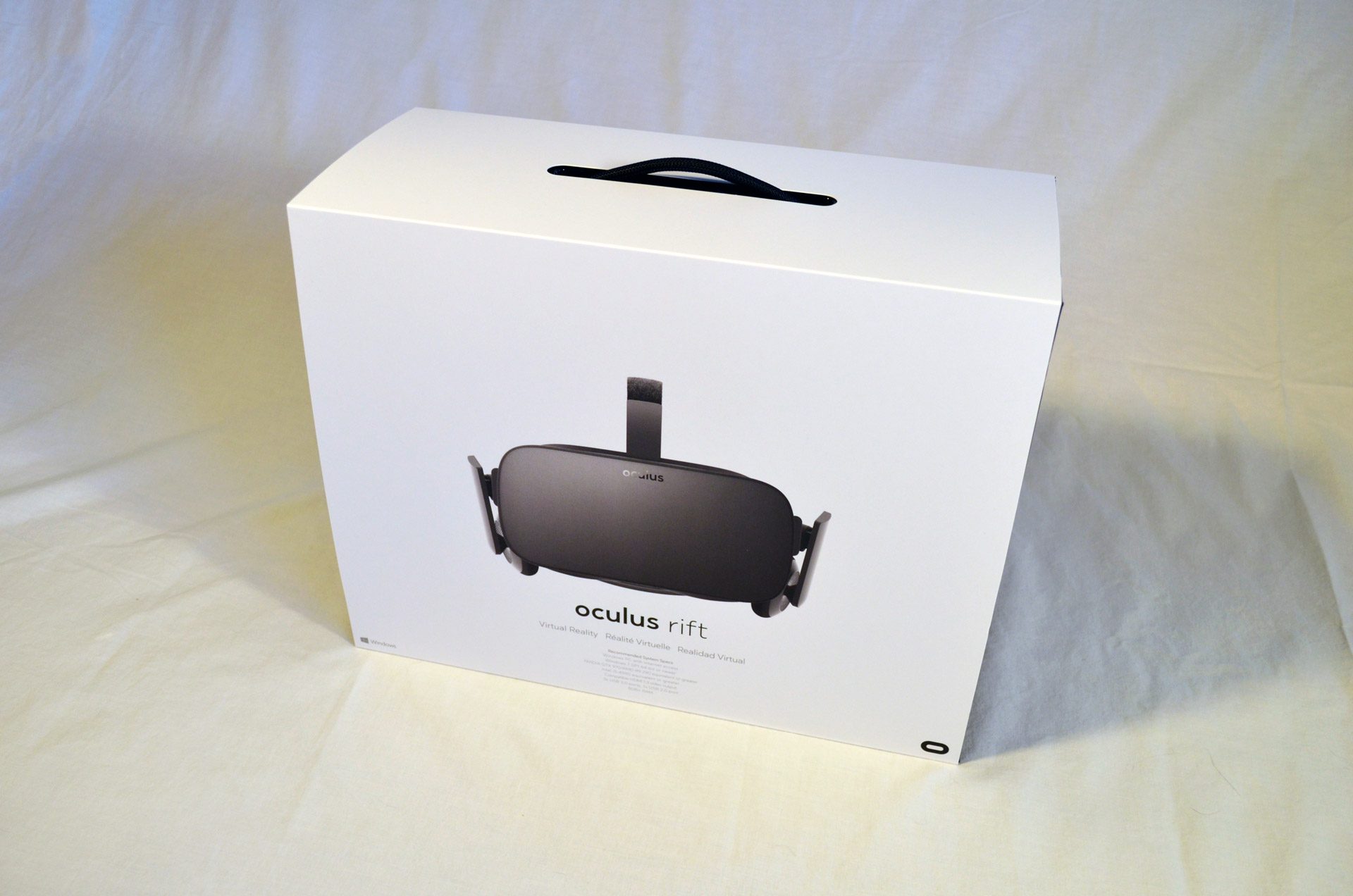
It wasn’t long after Oculus opened pre-orders for the Rift in January that the unit became backordered by four months. Having held steady since that time, the backorder has now been pushed back yet another month.
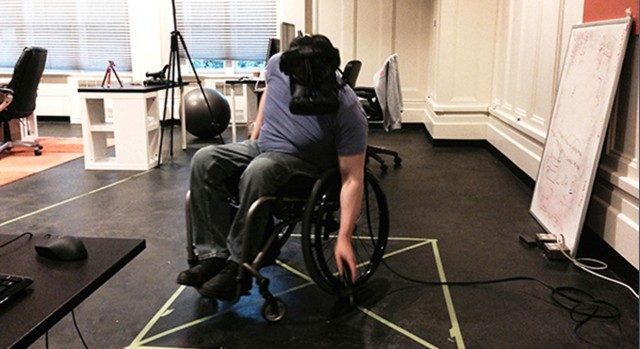
 Katie Goode is the Creative Director of Triangular Pixels, which has developed Smash Hit Plunder for the Gear VR and Unseen Diplomacy for the Vive. Unseen Diplomacy is a room-scale experience that has people crawling through tunnels as a spy, but Katie wanted to ensure that she wasn’t excluding people with disabilities in being able to enjoy and participate in their experience. I had a chance to talk with Katie at GDC for how they’re taking into account accessibility for VR by designing experiences that still work for users who are deaf, colorblind, or have a disability that restricts their movement.
LISTEN TO THE VOICES OF VR PODCAST
There’s a menu option at the beginning of Unseen Diplomacy if your movement is restricted, which then alters the experience to make it more accessible to people who can’t crawl around on the floor whether due to age, an injury, or a disability. There are some sections that are completely removed, but there are other adaptations to the game that move the buttons and objects around so that they’re accessible to people in a wheelchair.
In the end, designing with people with a range of disabilities in mind usually ends up with stronger game design for everyone. For example, the visual cues in Unseen Diplomacy were more explicit and didn’t solely upon color or audio to give the user feedback in their game. This not only makes is so that deaf and colorblind people can still fully enjoy the experience, but it also in the end provided a more clear design for everyone.
For more information on VR accessibility, be sure to check out this article on designing VR for people with physical limitations by Tomorrow Today Labs’ Adrienne Hunter.
Here’s a gameplay video of Unseen Diplomacy, which is available on Steam for $2.99. The game does require a minimum of 4m x 3m space, and so I wasn’t able to fully play it in my 2.9m x 2.3m room.
Become a Patron! Support The Voices of VR Podcast Patreon
Theme music: “Fatality” by Tigoolio

VR Unicorns is a Copenhagen-based development collective that developed #SelfieTennis. They were working on Julie Heyde’s RagnarökVR until they stated experimenting with room-scale sports experiences.
Playing tennis against yourself in VR was the first mechanic that found was really compelling and fun, and so they started doing rapid iterations on maximizing the sense of fun and play in the game. Rather than trying to create an accurate tennis simulation, they started adding in the ability to kill the audience members by hitting with balls, putting in selfie sticks, and adding other mini-games that were more about exploration of an interactive environment than making an accurate tennis simulation.
I had a chance to catch up with VR Unicorn developers Horatiu Roman & Milan Grajetzki at the Unity VR/AR Vision Summit to learn more about their game jam-inspired design process and intention behind the game.