
New Version of ‘Surge’ VR Music Video Includes ‘Ultra’ Option for Beefy Graphics Cards
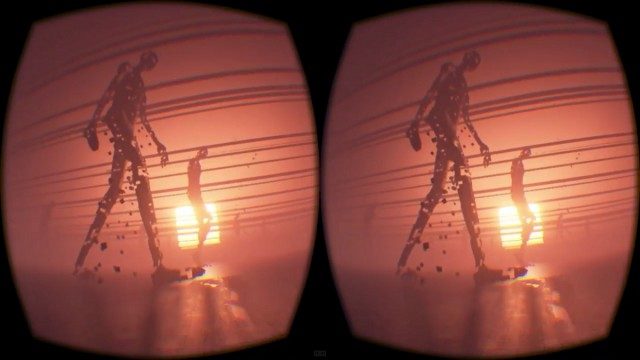
Surge, an impressive real-time VR music video, has been recently updated with an additional graphical setting to make the experience look even sharper for those with powerful graphics cards.
New Gear VR for Galaxy S6 and S6 Edge Goes on Sale May 8th in U.S, Pre-orders Start Tomorrow
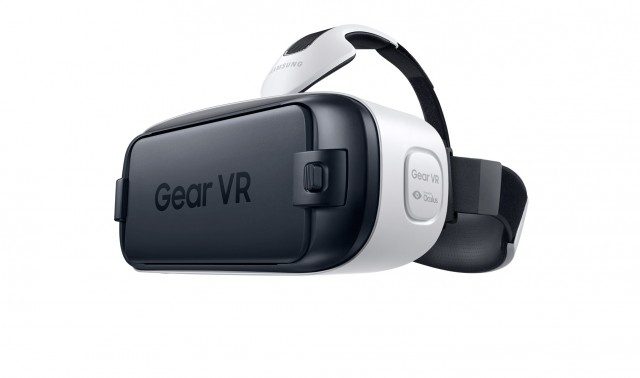
Samsung today announced that the new Gear VR for the Galaxy S6 and S6 Edge will go on sale May 8th and become available for pre-order on the 24th. The new mobile VR headset from Samsung (made in collaboration with Oculus) is still sold under the ‘Innovator Edition’ tagline.
Altspace Beta Weekend 24-26th – Featuring SVVR Livestream and New D&D Game Board
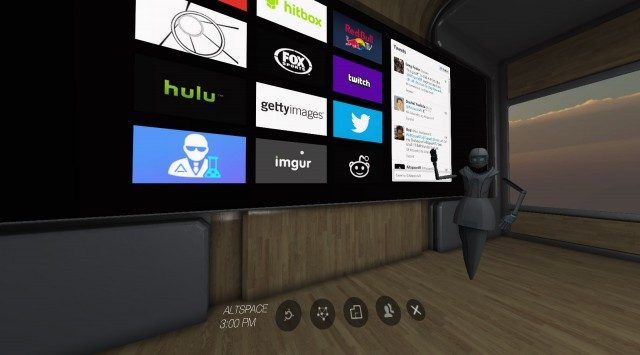
AltspaceVR is hosting another Beta Access Weekend on April 24-26, and this time the social VR space has added a few more features to watch out for, features that when you say them out loud, could alienate you from casual acquaintances and your extended family… in a good way.
Sixense Teams up with SapientNitro to Show VR’s Marketing Potential
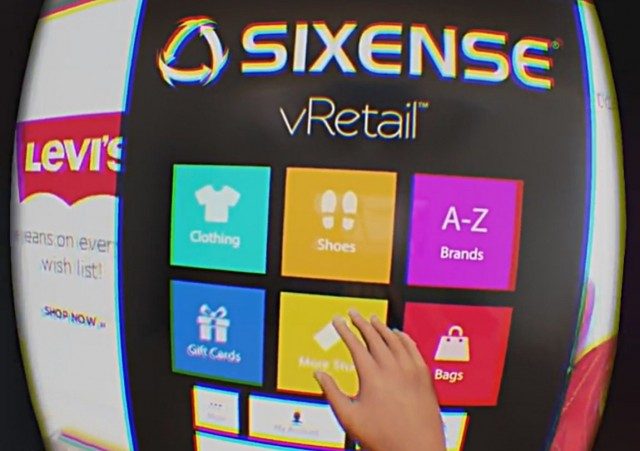
Last weekend Sixense, creator of the STEM controller, came for a visit to digital agency SapientNitro’s NYC office. Armed with VR headsets and STEM controllers, the order of business was to demonstrate the marketing potential of virtual reality technology to clients from SapientNitro’s impressive roster.
HTC Vive Developer Edition Signups Now Open, Free for Selected Devs but Not for Sale
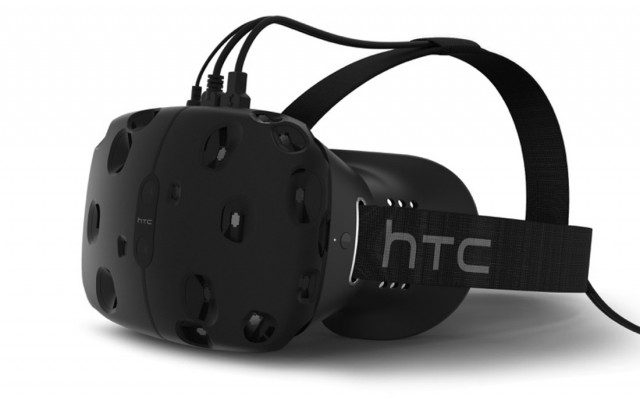
Apparently on their way to making good on the promise of the HTC Vive Developer Edition being available this Spring, Valve has opened the developer signup form for interested parties to throw their name into the hat. Valve will be selecting developers to receive the HTC Vive development kit for free, but the unit will not be openly available for purchase.
Rupert Murdoch, 21st Century Fox CEO, Checks out NextVR on Samsung’s Gear VR
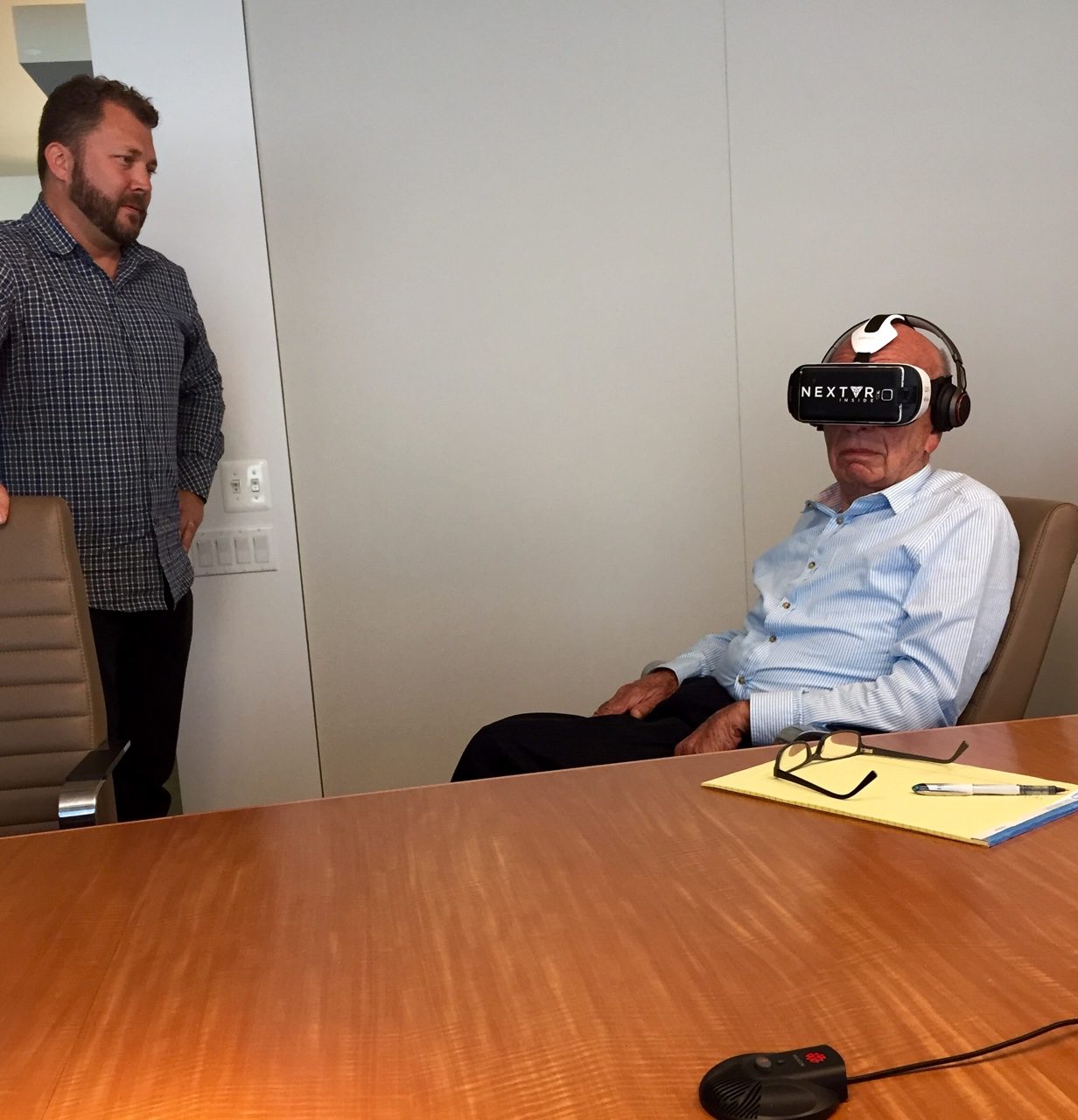
Rupert Murdoch, CEO of 21st Century Fox and News Corp, had a chance to try on Samsung’s Gear VR recently. NextVR introduced Murdoch to their 360 degree NASCAR recordings.
Google’s Chief Technology Advocate Joins as Wearlity Sky CEO as Kickstarter Passes $60,000
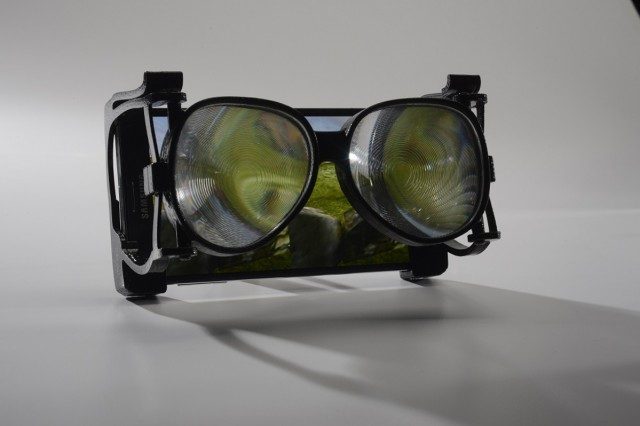
Wearality Sky has surpassed half of its crowdfunding goal of $100,000 for their VR smartphone adapter, a device that offers a 150 degree field of view (FOV) for 5–6 inch phones. With former Google Chief Technology Advocate Michael Jones signing on as new CEO of the startup, adding to the already major league cast of the project, the sky’s the limit (sorry).
We Preview ‘Crystal Rift’ on the Oculus Rift – Now Available on Steam Early Access.
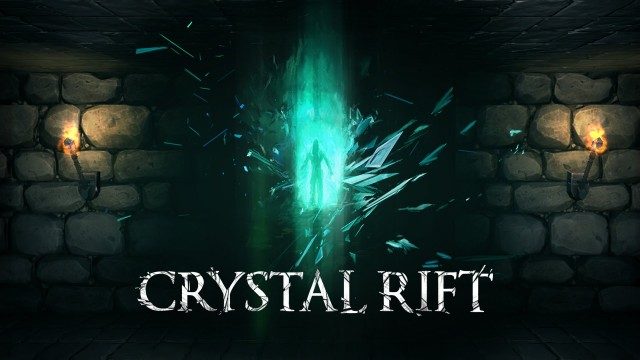
Crystal Rift from Psytec Games promises a return to the halcyon days where 3D, grid based gaming was at the cutting-edge albeit this time in VR. So what does a retro-inspired, virtual reality dungeon crawler feel like? As the game hit Steam Early Access yesterday as part of their Early Access program, we’ve gone hands on with Oculus Rift version to find out.
360 Film Aims to Save Majesty of Grand Canyon Using the Power of VR, Kickstarter Now Live

The untouched beauty of the Grand Canyon has inspired poets, novelists, film makers, and more than 4 million recreational visitors per year to make their way to the dramatic cliffs that border the Colorado River basin. 360 Labs aims to preserve that legacy with a new 360 degree documentary that will go into the heart of the canyon that is currently in danger of being forever changed by a new construction project.
How to Configure VorpX to Play GTA V on the Oculus Rift

PC Game launches don’t come much bigger than Grand Theft Auto, and GTA V’s launch just last week has been no exception. Similarly, VorpX’s rapid addition of GTA V support to allow players to experience the game on the Oculus Rift has been phenomenal. But how do you get the best out of GTA V with VorpX? Here’s an official guide from the developer himself, Ralf Ostertag.
The World’s Largest Market Has Seen VR and It’s in Love
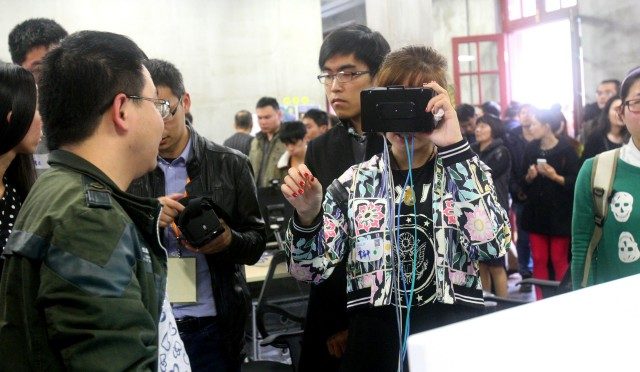
China’s VR scene is heating up.
Shanghai just had its largest VR event to date. The second SHVR event (named as an homage to Silicon Valley’s largest community gathering, SVVR) had over 300 attendees, scores of demos and speakers, and a live VR meetup on VRchat in collaboration with the Brisbane community.
This guest article comes to us from SHVR, a meetup focused on the emerging virtual reality technology sector, held in Shanghai, China. SHVR aims to create a local community of VR developers, entrepreneurs, artists and early adopters enthusiastic about VR and willing to learn and share with each other.
The event began as an open call: whoever wanted to demo or speak was welcome to come, and they could invite their friends.
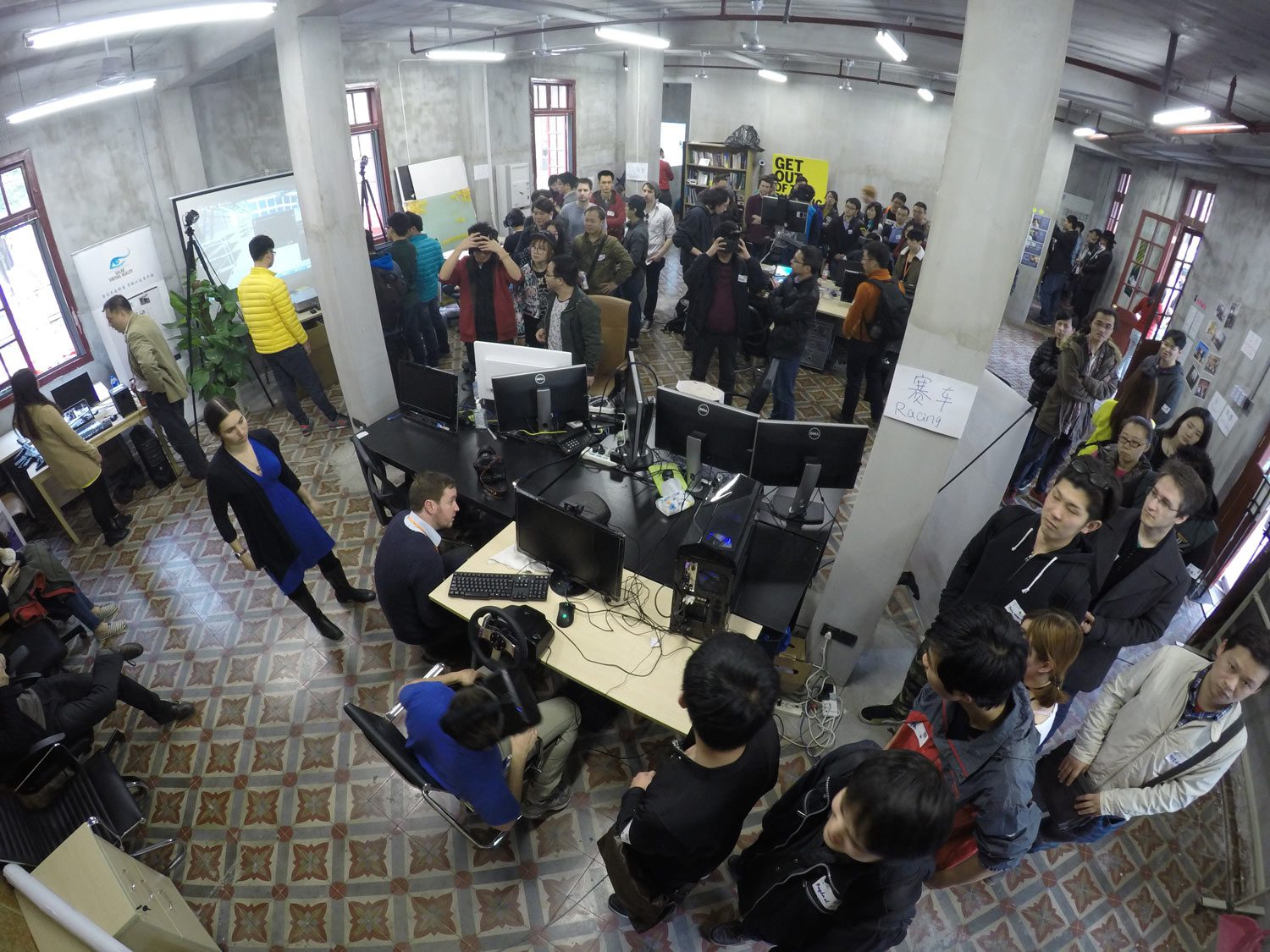
With minimal publicity, the event went viral. According to Ben Rudick, co-founder of Transist Labs which hosted the event, “We were overwhelmed by the response. Originally we planned for a maximum of 100 attendees. Those spots were filled in just hours. So we lifted the RSVPs caps and quickly hit 500. We had to cut it off; any more and we’d get shut down for fire code violations.”
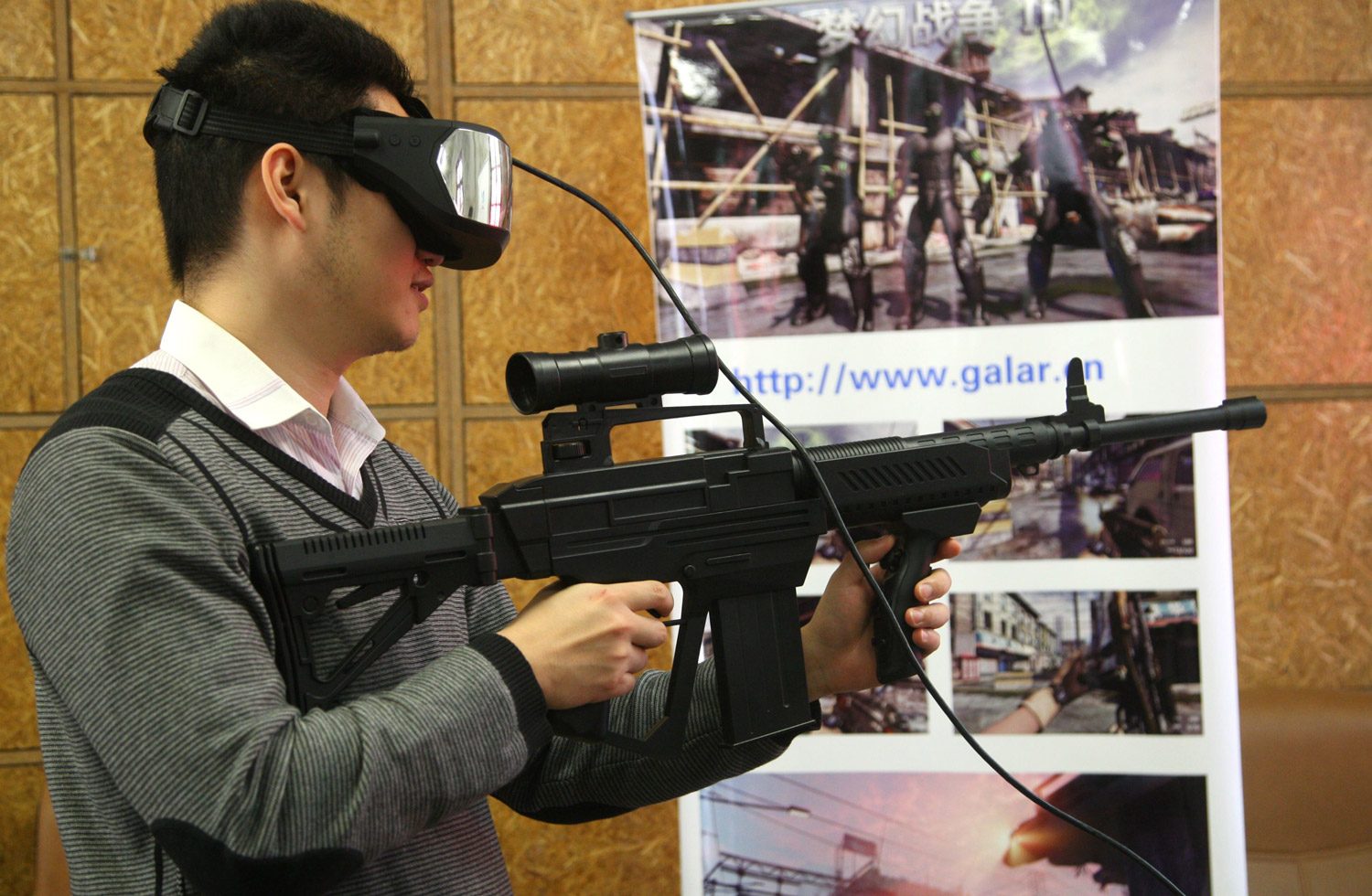
There was a myriad of hardware on display, both mainstream (five Oculus Rift DK2s, and Samsung’s Gear VR) and homegrown China-made products including VR mobile holders (Virglass), optical tracking (YuanChuan , 原川), VR/AR glasses (LiXin Optical) among others. Several content developers were showcasing their work as well, such as game developer and VR evangelist Tianshe (天舍) with their zombie roller-coaster (met with screams and applause), Galar Technology with a VR FPS (complete with a motion-tracked assault rifle), panoramic video from ShiYe Media, and even an interactive VR modern art piece.
The Shanghai event is the most recent data point of a clear trend: VR is exploding in China, both in terms of public interest and hardware/software development. Last fall, the VRPlay Expo in Beijing had over 1,200 attendees. Baidu Tieba (Chinese reddit) has thousands of subscribers on its VR forum. Oculus Rift DK2s are fetching prices upwards of US$1,000 on Chinese auction sites.
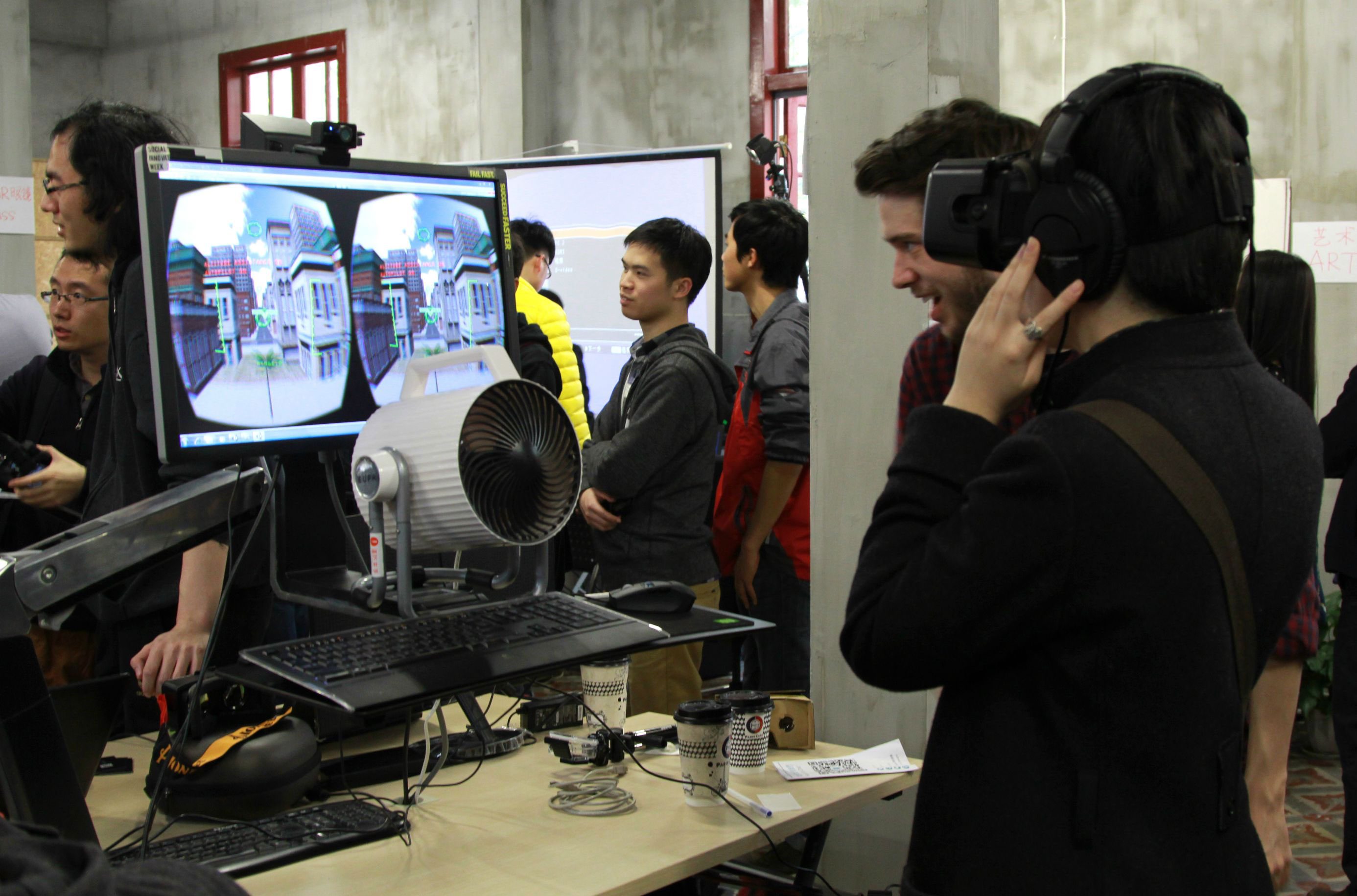 Hundreds of teams across China are working on VR hardware. While some of it is copying existing products, there’s innovation as well. Chinese teams are hacking together VR headsets, omni-directional treadmills, tracking and input devices, reactive chairs, VR mobile holders, and everything else under the sun. Notable companies include Noitom Technology (which raised $571,908 on Kickstarter last year for their motion tracking device), KAT (omni-directional treadmill and racing chair), and Dexmo and Ximmerse (both working on VR interaction hardware).
One of the biggest players in China is BaoFeng MoJing, a pure-play VR company and affiliate of the billion-dollar BaoFeng Technologies. BaoFeng MoJing launched a VR smartphone adapter as well as raising $10 million to continue their VR work. But, they’ll face stiff competition: on April 14th, LeTV, a public Chinese company with a $12 billion market cap, announced its own VR smartphone adapter to be released in a couple of months.
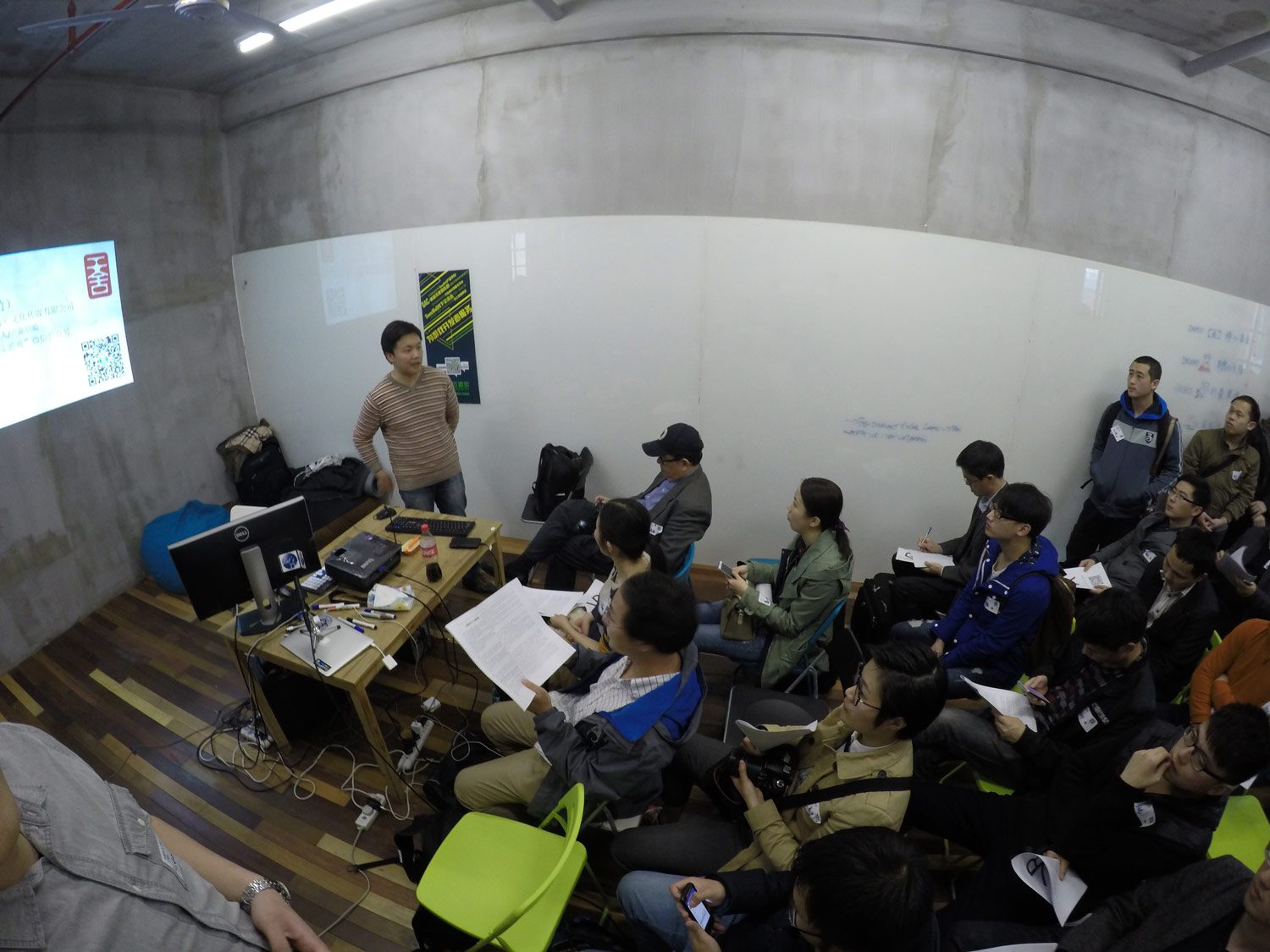 While content is lagging behind the hardware, there’s progress here as well. Tianshe Media (天舍), one of the organizers of the SHVR event, is developing a VR multiplayer adventure game for the Oculus Rift, HTC Vive, and Morpheus using the UE4 engine. BaoFeng Mojing, mentioned above, is partnering with indie VR developers to distribute their games; at last count, they’re offering 26 Chinese-made, original VR games. With the entire gaming market in China estimated at $17.9 billion, there’s likely much more to come. Beyond games, at least three Chinese animation companies are working in VR, with plans to invest millions in the space.
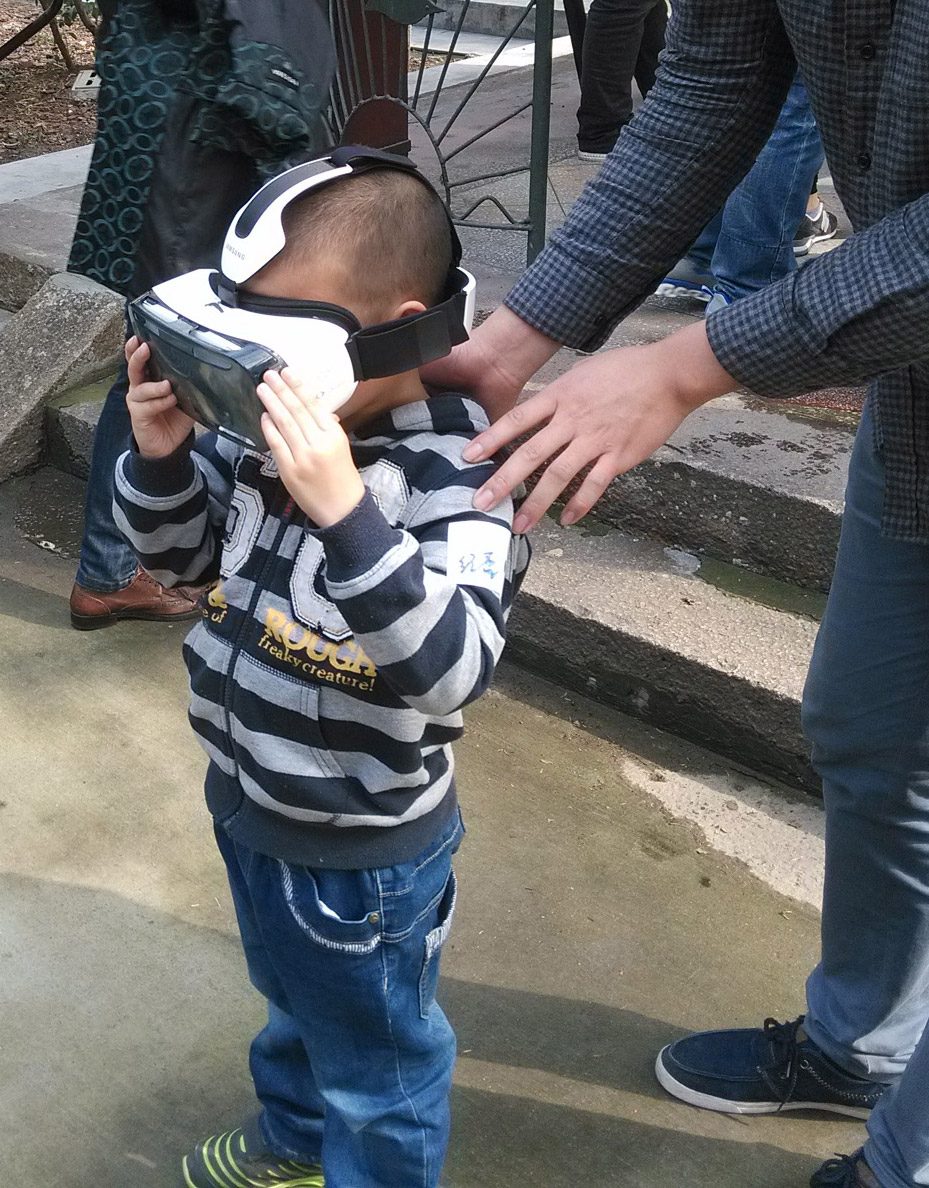 When the SHVR event finally ended after five hours, the organizers had to forcefully herd people out the door. Building on the flood of interest, they are now planning a much larger event for this summer and even considering a permanent VR incubator to support early-stage developers.
Our thanks to the authors of this article, a collaboration by organizers of SHVR:
- Ben Rudick: Co-founder of Transist Labs in Shanghai, an early stage incubator and investor in companies that make the world more interesting
- Vincent Chen: Co-founder of Tianshe Media, is a Chinese game developer and VR evangelist in Shanghai
- Florian Brutsche: Swiss software engineer living in Shanghai and the co-founder of Pixolabs
- Christian Grewell: An American working at NYU Shanghai on projects to realize virtual reality’s potential to transform the education and training industry.
- Dongli Zhang: Chief of Staff at Transist Labs
Running Amok in GTA V with an Oculus Rift, a Virtuix Omni and VorpX
What do you get when you piece together a Virtuix Omni VR treadmill, a DK2, and (with help from vorpX) a AAA title like GTA V? Madness. Pure madness.
The Gulf Between High End Military VR and Consumer VR is Rapidly Shrinking
In this video, the US Army demonstrates their proprietary Dismounted Soldier Training System (DSTS), a wearable VR system used to teach troops tactics and teamwork inside a virtual environment. It represents the current state of the art in military VR training, but rapid developments in the commercial VR sector mean it could be obsoleted by your home entertainment system in just a couple of years.
Virtual reality used to be the purview of government funded bodies and the military. Now of course, VR is heading towards a civillian market, albeit with very different R&D goals. So how does the cutting edge in Military virtual reality stand up to todays rapidly evolving entertainment focused VR technology?
Well, you can judge for yourself, as the 4th Joint Communication Support Element at the Air Force Base, Fort Stewart, Georgia demonstrate a typical training scenario using DSTS. The system is described as an “…innovative, out-of-the-box training system designed to be flexible, easily portable and transportable…”. The system can be rolled into use in under 4 hours, and can deliver ‘limitless’ training scenarios.
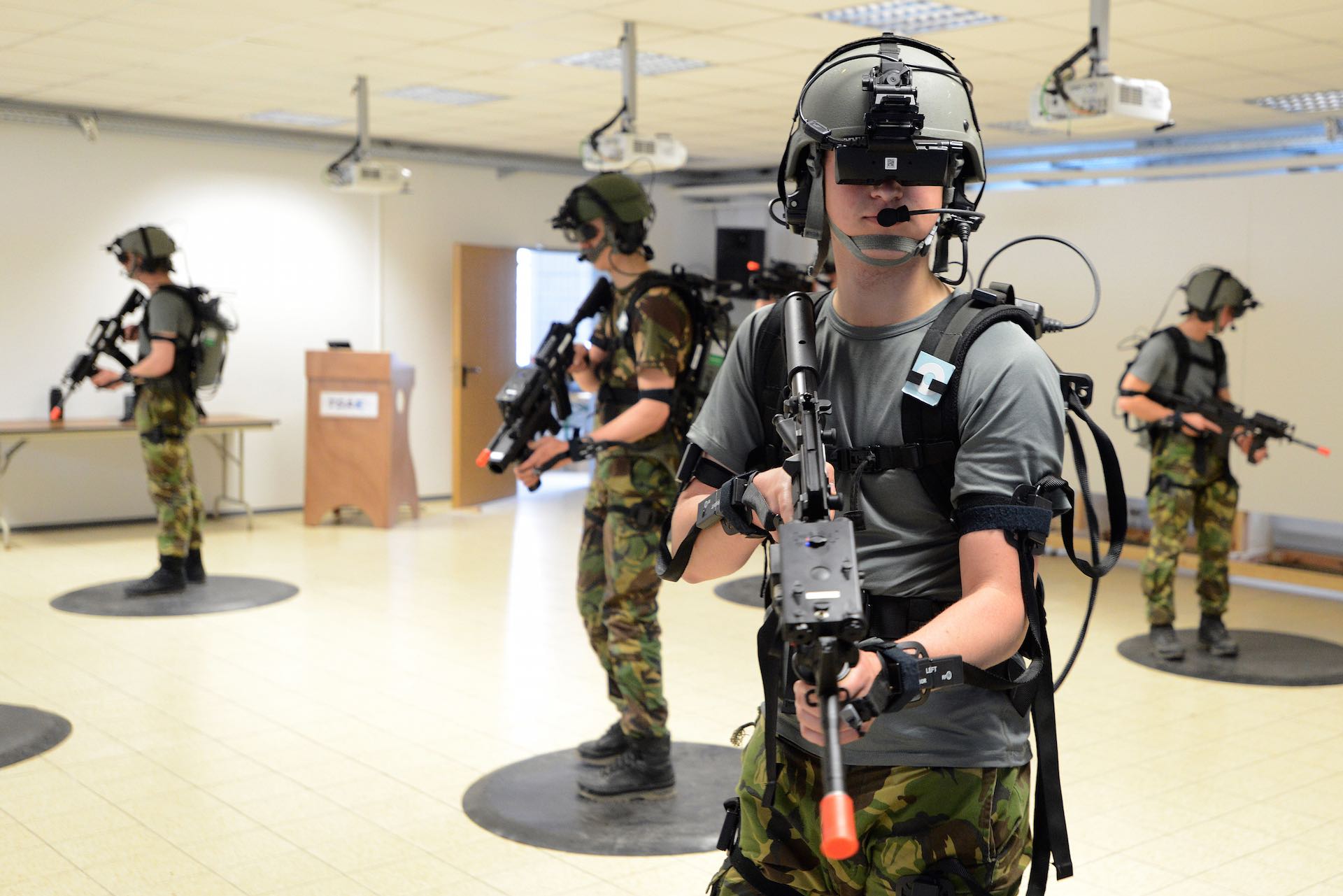
The video was filmed back in 2013, but considering the glacial pace technology evolves in government funded bodies, DSTS represents the cutting-edge in the military sector. Indeed, the system was first openly demo’d to attendees of the oft military focused simulation conference I/ITSEC back in 2011.
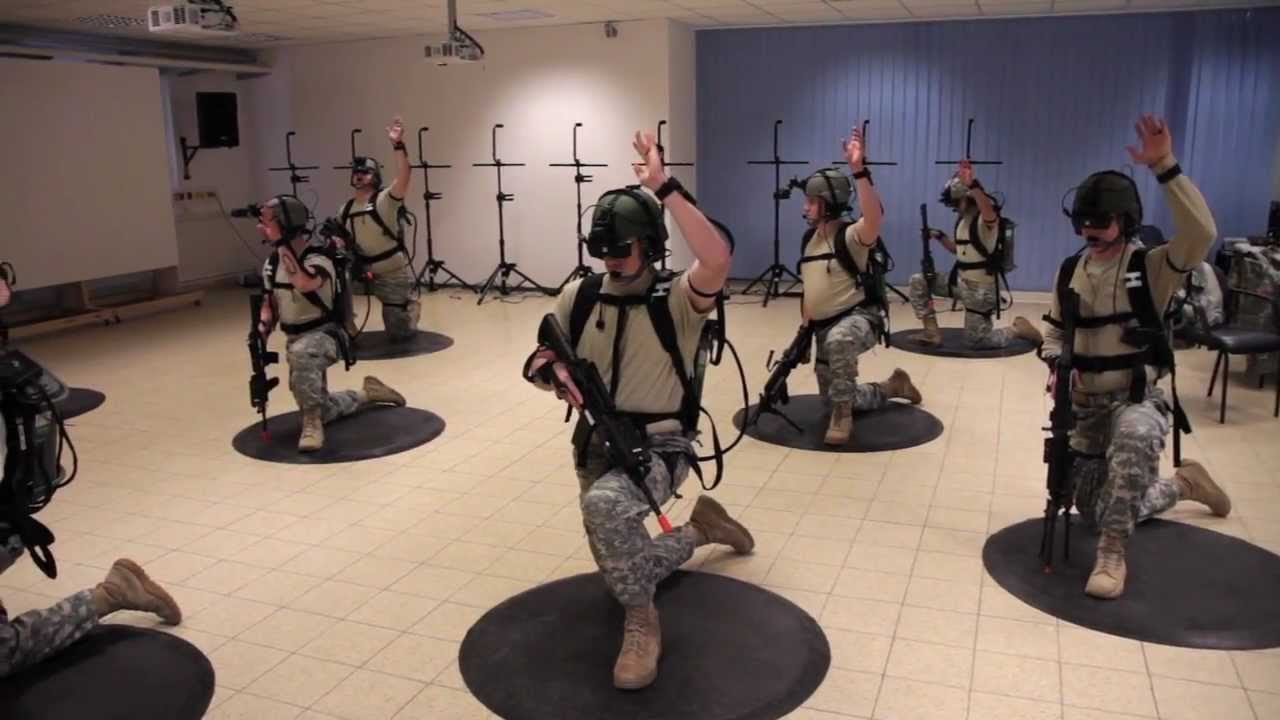
DSTS is a system developed by Intelligent Decisions and apparently represents years of research and millions in development costs. The visuals are provided by CryEngine with processing power delivered via back-mounted computers fed to stereo, helmet mounted displays. Audio is delivered via headphones within the helmet and body rotation and position are tracked by wearable IMUs.
For more on the system, feast your eyes on this painfully stereotypical promotional video.
It’s clearly a neat solution and I can see the instructional power it could potentially leverage for military personnel training. However, it’s indicative of VR’s rapid technical evolution that there are products on their way to market that would allow the average VR geek to build a system not just comparable, but in many ways superior to the DSTS system.
If you chose to build your own DSTS, you have have a surprising range of potential options, most of which could be found on this very website.
For IMU trackers you could opt for YEI’s PrioVR body tracking system or perhaps Noitom Technology’s Perception Neuron solution.

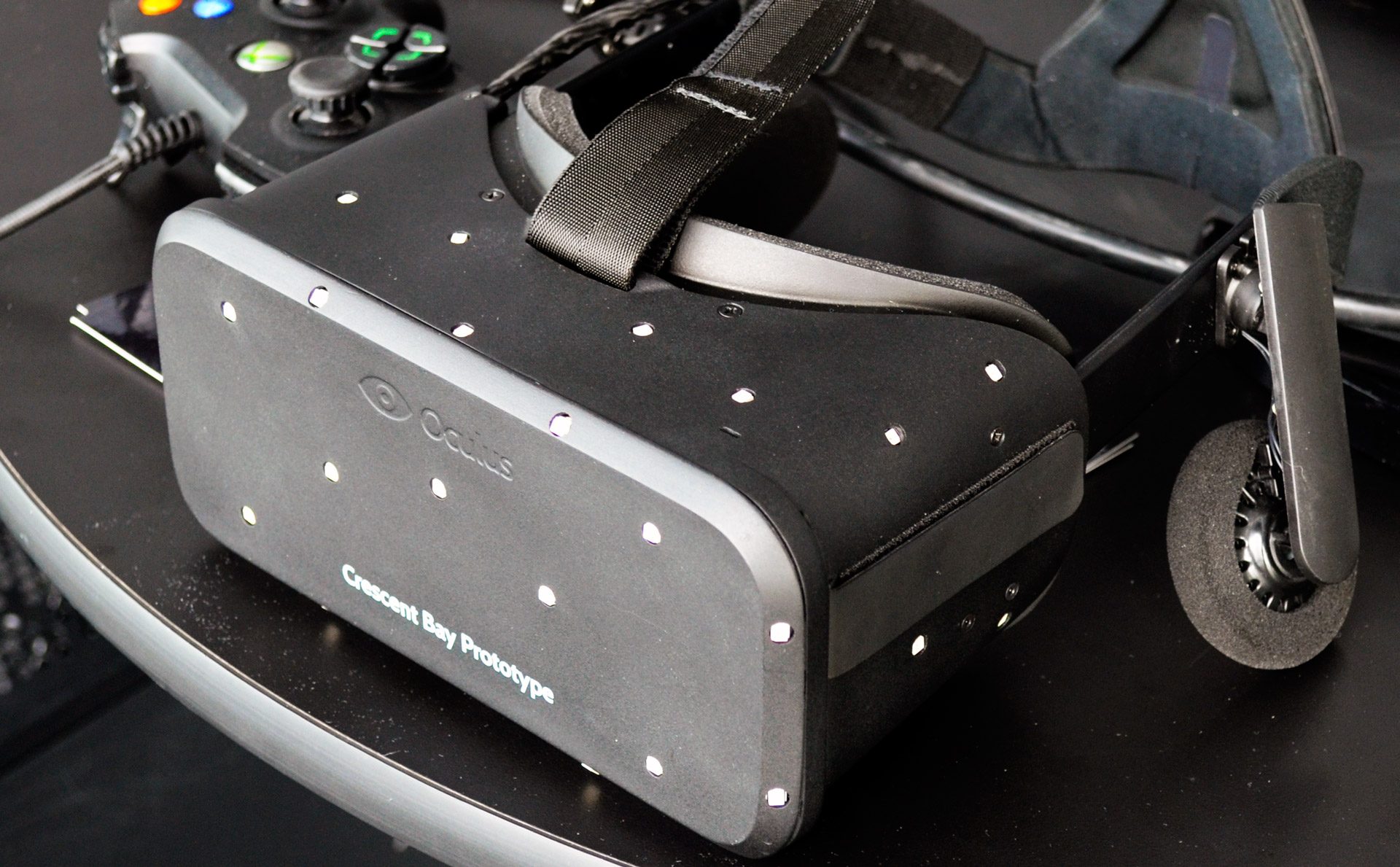
For your HMD, an Oculus Rift Crescent Bay might work or perhaps Valve’s Steam VR system and the HTC Vive, both of which will probably arrive in the next 12 months. And that’s without considering Valve’s powerful and precise room-space tracking system, Lighthouse.
For your weaponry, you’ve got the force recoil delights of HapTech’s (formerly Striker) controller, perhaps utilising a Sixense STEM unit for positional gun tracking.

Throw on a back-top harness for your gaming laptop, plug it all in and you have a system that arguably outclasses the military equivalent. And whilst you could also argue that the majority of these systems are not yet available for the average joe to purchase, this is all coming and soon too.
In short, it looks as if reversal of the traditional gulf between government funded virtual reality and consumer VR is continuing apace. At this rate, the military will be opting to piece their training systems together from the shelves of Best Buy. Oh my, how far we’ve come.
NextVR’s David Cole on Their Use of Light Fields in Broadcast VR Video
David Cole, Co-Founder of broadcast VR video company NextVR, speaks with Tony Reale from NextWaveDV.com at last weeks NAB (National Association of Broadcasters) Show in Las Vegas about the significance of the company’s use of light fields in broadcast VR video.
Next VR have been pushing at the forefront of broadcast virtual reality video for some time now and their recent announcement that they’re working with light field technology aims to keep them at the bleeding edge.
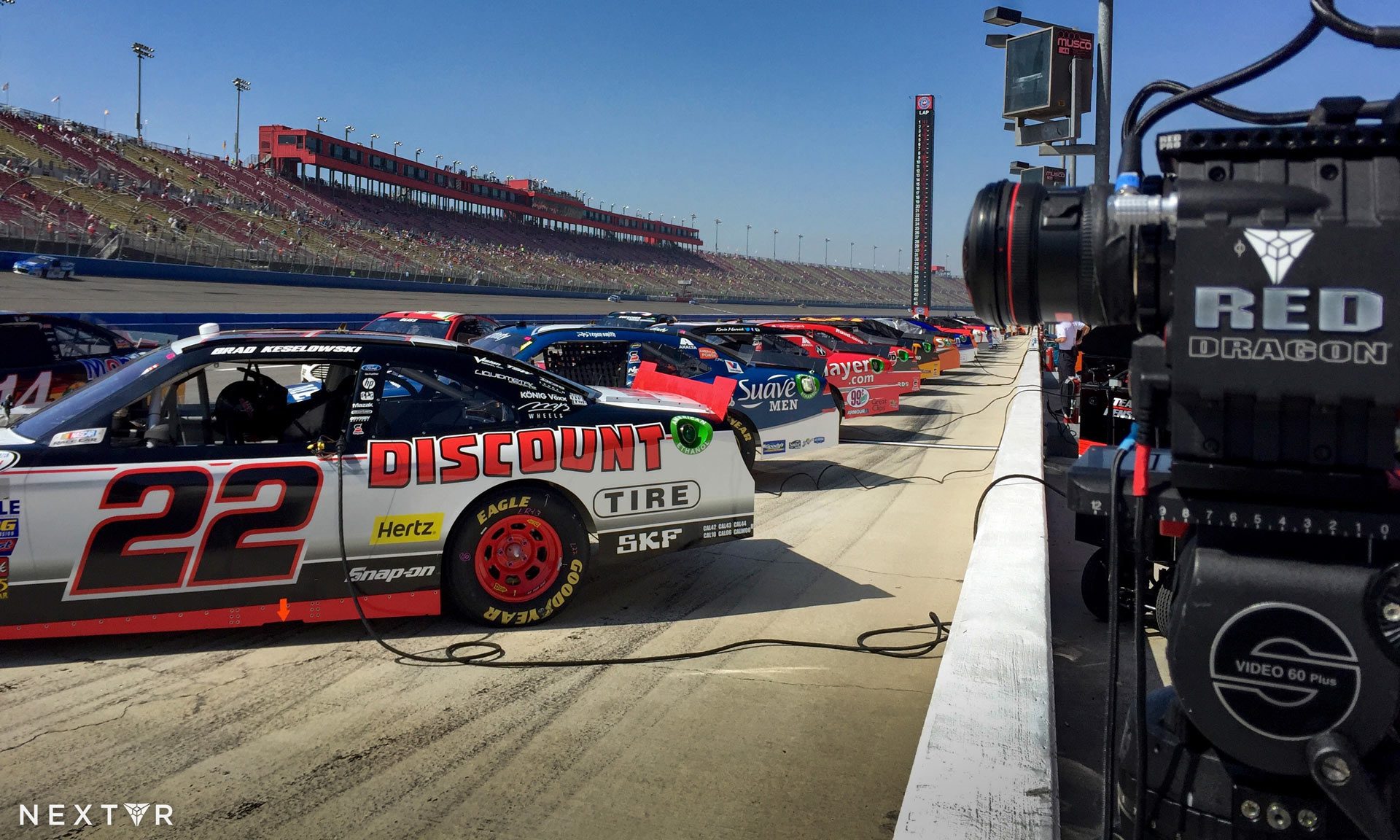
Light field cameras offer the ability to capture the intensity and directionality of light, making them ideal for producing auto-stereoscopic recordings of scenes. In summary, the process allows a viewer to have some degree of ‘peek around’ in a pre-recorded video, for virtual reality this mean positional head movement in 3D videos.
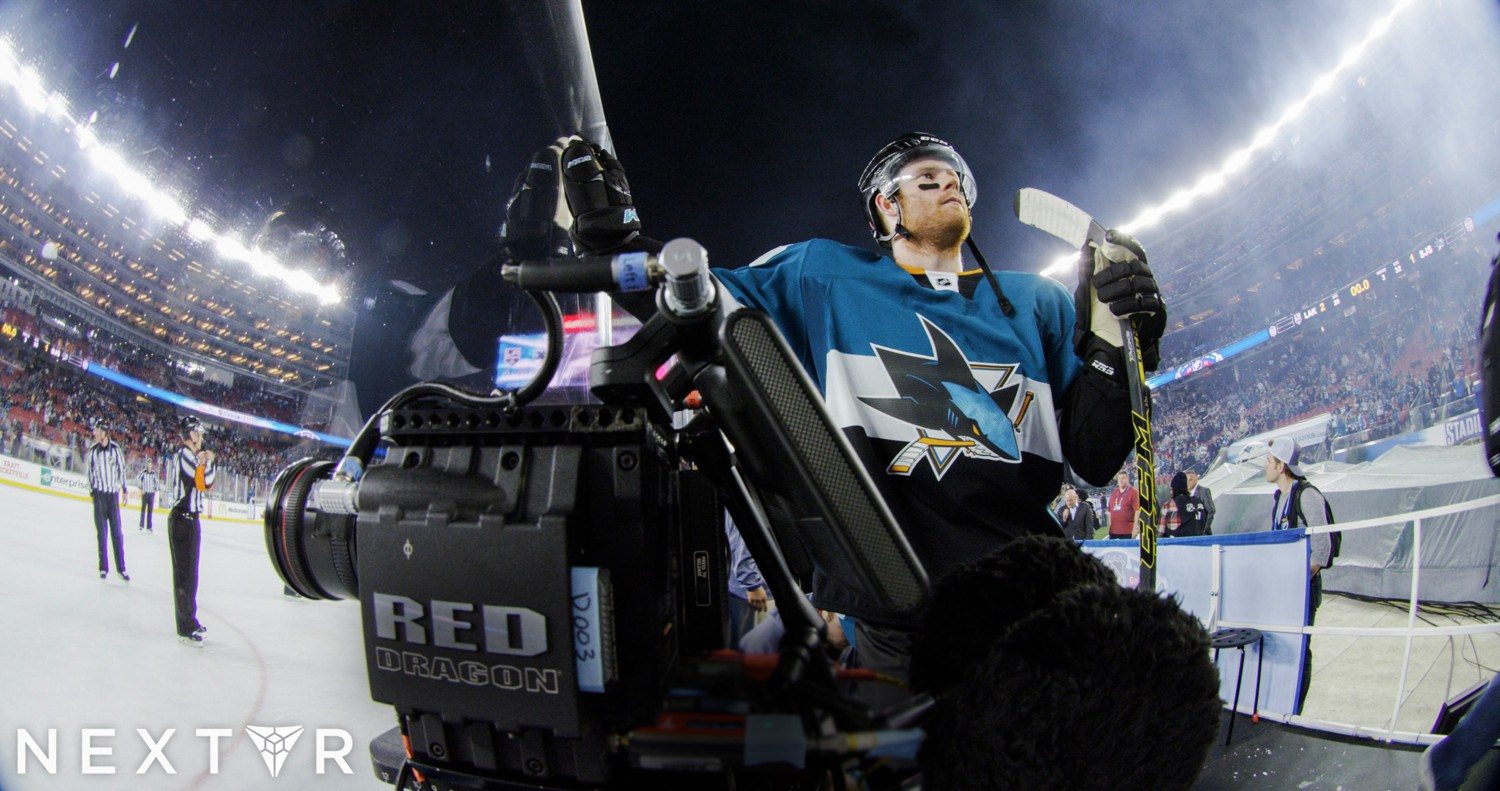
Light fields are important for VR. Not only does it give you a radically different and more immersive experience than static stereoscopic 3D video, it makes for a more comfortable VR video experience. As Cole states “…it gives you a much more accurate model of your head [and neck] … your natural torso and neck and head movements are represented inside the vide which sells presence so incredibly strongly.” and goes on “…we think that once you see it, it’s going to set the bar.”
Our thanks to Tony Reale from NextWaveDV for sharing the interview with us.