
HTC Announces Layoffs Amid Coronavirus Pandemic

HTC has confirmed that it’s laying off staff in order to streamline its business amid the coronavirus (COVID-19) pandemic.
HTC has confirmed that it’s laying off staff in order to streamline its business amid the coronavirus (COVID-19) pandemic.
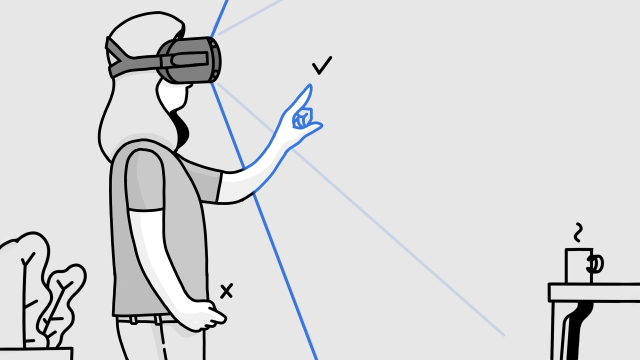
An update to Oculus developer tools has brought a handful of updates, including support for Quest hand-tracking in Unreal Engine 4.

The release of Half-Life: Alyx (2020) on Steam in late March brought along with it nearly one million additional monthly-connected VR headsets, a record gain in SteamVR users. Valve just released its Steam Hardware Survey for May, and it seems there’s been zero pull-back in connected headsets one month after the usership surge.
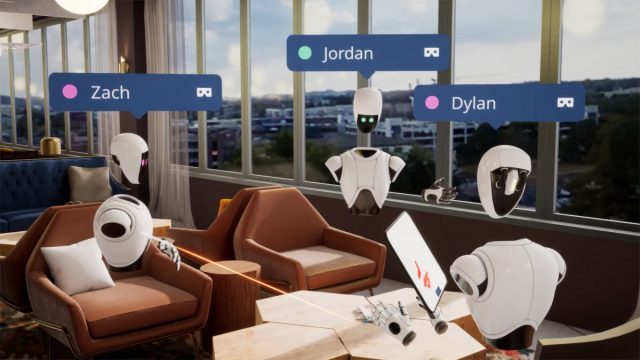
Optim is a tool designed to make Unreal Engine more user-friendly for enterprise use-cases like design, visualization, and review. The latest version allows businesses to easily turn their projects into collaborative apps, allowing multiple parties to remotely step into the scene with expected features like voice chat, locomotion, and avatars.

Lenovo today announced its next standalone headset, the Lenovo Mirage VR S3, is set to release sometime in Q3 in select countries. Built in conjunction with Pico Interactive, the headset is targeting education and enterprise customers.
Gadgeteer, the physics-based VR puzzler inspired by the whimsical machines of Rube Goldberg, is slated to get the biggest update since its launch into Earl Access last year.

Half-Life: Alyx was updated this week with an intriguing new feature: a new shader which simulates liquid inside of the game’s many bottles; a small but impressive immersive addition. The update also brought some bug fixes, new subtitle languages, and improved the game’s modding tools.

Magic Leap pivoted to the enterprise space recently after an extended lukewarm reception by consumers for its $2,300 AR headset. Amid the coronavirus pandemic, company founder and CEO Rony Abovitz then announced layoffs last month that were slated to occur at “every level” of the company. Although those layoffs were allayed by a fresh $350 million funding round at zero hour, Abovitz now says he’s stepping down as CEO.
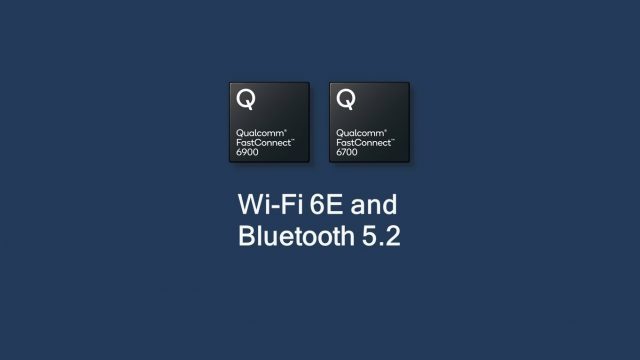
Qualcomm today announced new Wi-Fi 6E wireless chips. Designed for mobile devices, the company says the chips support “VR-class latency” for streaming VR over Wi-Fi.
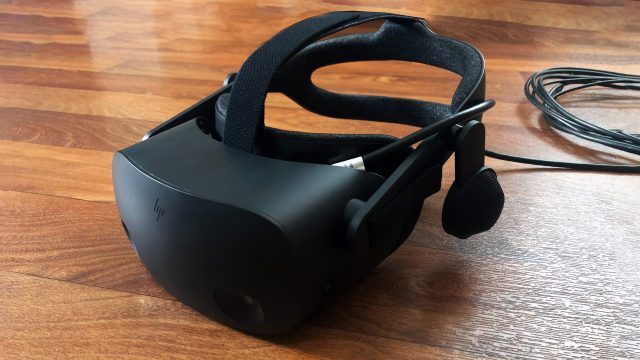
Today HP revealed its next-gen WMR headset, Reverb G2. While the original Reverb beat out the competition in resolution, some aspects of its display held it back from really capitalizing on all those pixels. Reverb G2 brings with it brand new displays and lenses which offer outstanding clarity.

MicroProse was a game developer and publisher behind dozens of classic strategy and simulator titles from the ’80s and ’90s. After being shuttered in the early 2000s, the company (or the brand, anyway) recently made a surprise resurgence. Among four modern games presently in the works is The Mighty Eighth, which the studio describes as a “VR-first” flight combat simulator where multiple players will work together to pilot a WWII bomber.
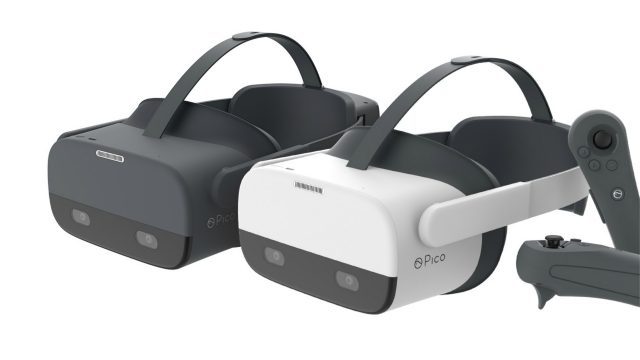
Pico Interactive today announced the price and availability of both Pico Neo 2 and its eye-tracking variant, Neo 2 Eye.
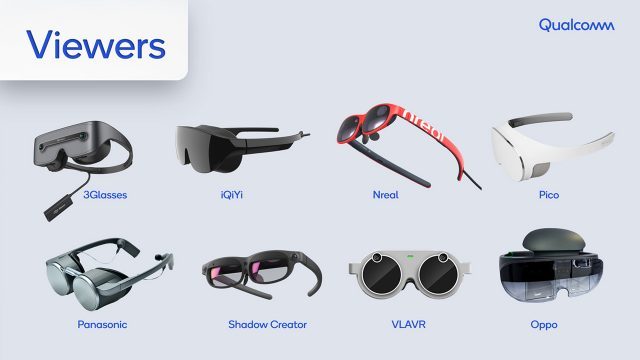
Today, at an online version of this year’s Augmented World Expo (AWE), Qualcomm announced that it’s partnered with a number of global telecoms, smartphone companies, and AR/VR headset manufacturers to deliver 5G-enabled, smartphone-driven headsets to consumers and enterprise customers. It plans to do so within the next year.

At a special event in Taipei, Taiwan, HTC cofounder and former CEO Peter Chou today revealed the first products from the new startup XRSPACE. It’s serving up both its own 5G-enabled standalone VR headset as well as a new social VR platform which appears to compete with Facebook Horizon.