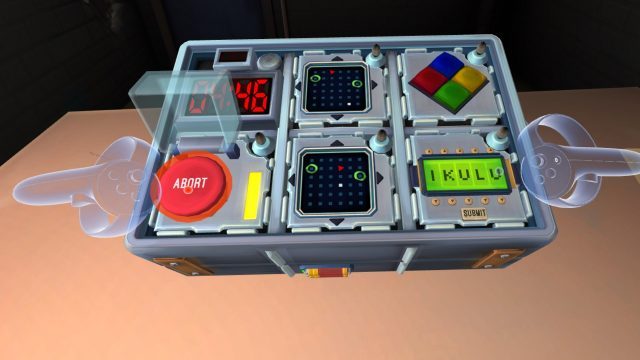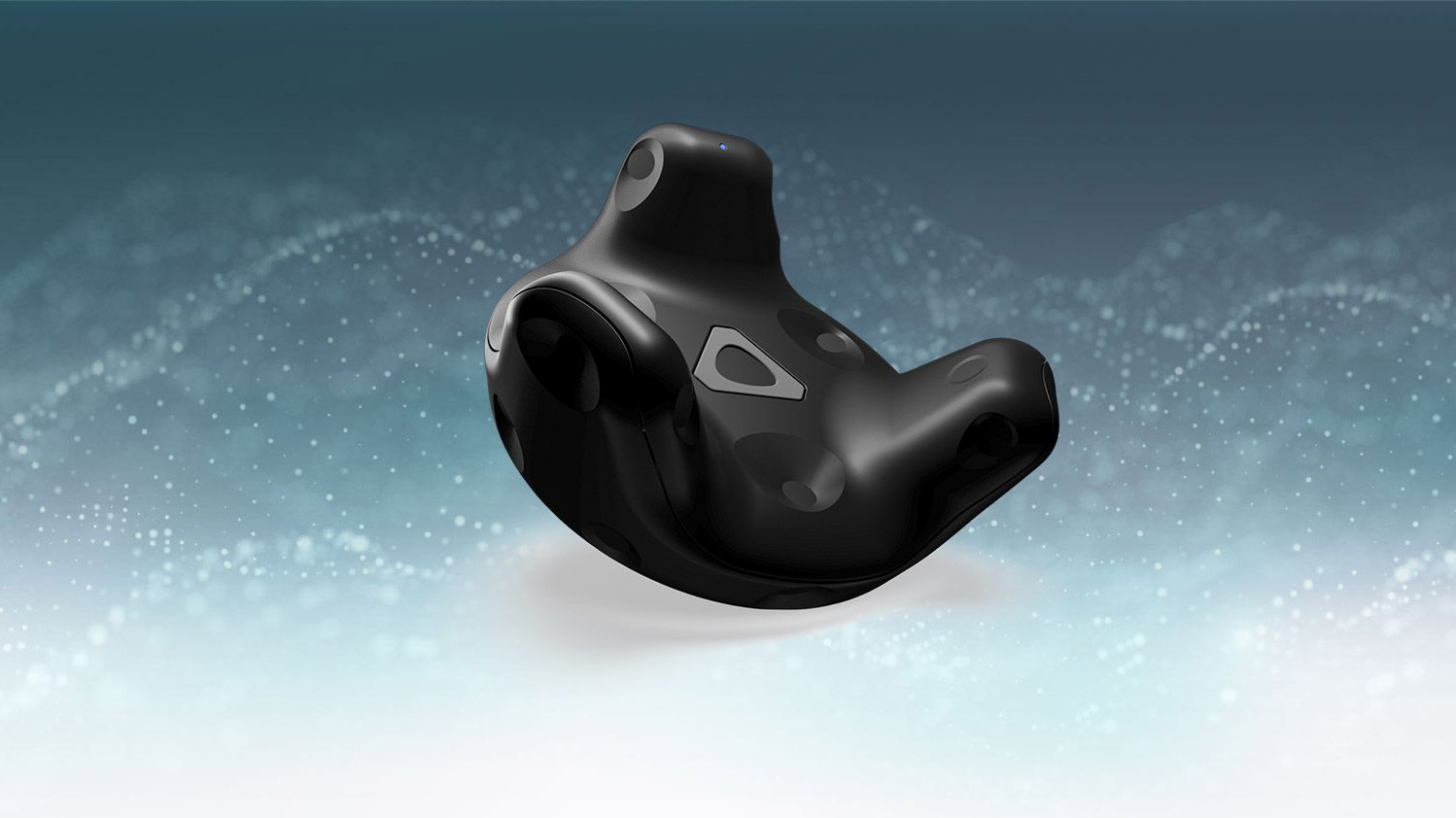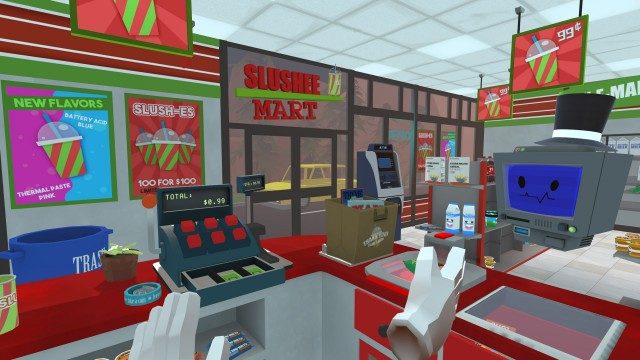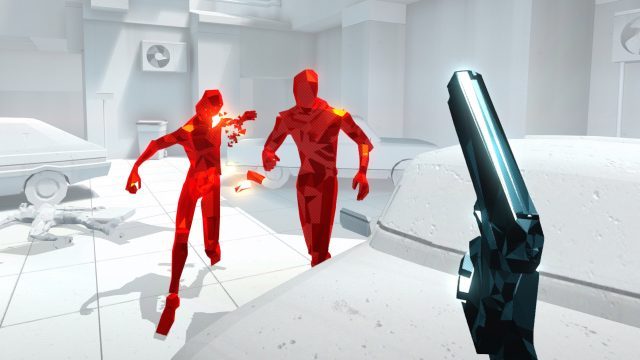
Haven’t decided whether to pull out the credit card and buy the VR system of your dreams yet? Well, NVIDIA is making it that much harder this holiday season with a new bundle that includes three highly rated games for free when you buy a GeForce GTX 1080, 1070, or 1060 GPU and an HTC Vive headset.
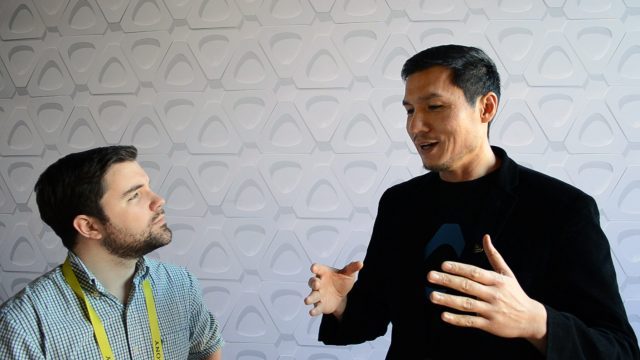
Nikon’s foray into 360° video continued at the ‘Nikon Innovation Forum: The 360° Video Revolution’ event in NYC last week. There the company’s recently released KeyMission 360 action camera was the centerpiece among non-360° action cameras of the same series. In addition to the camera displays and examples of footage shot on Nikon’s KeyMission series, the event featured a 360° video-focused panel of accomplished industry folk and a brief address by Nikon’s President and CEO, Toru Iwaoka.
Google’s Daydream Android VR platform just got a lot more watchable. Already the only place you’ll find the official YouTube VR app, Daydream just picked up more major content providers.
Grav|Lab, despite its Early Access status, might well be the surprise star of the Oculus Touch launch lineup. It doesn’t have the glitz and glamour of the bigger releases – and many of its rough edges are in need of smoothing – but its intriguing blend of fun, challenging, physics-puzzler gameplay is compelling.
Following a bout of skeptical press, Magic Leap CEO Rony Abovitz claims the company is already doing production test runs of their first AR “system,” which is said to be “small, sleek, cool.”
In the overcrowded genre of VR shooters, with quite a few of the zombie variety already out in the wild, Vertigo Games have a take on zombie slaughter that makes enough tweaks to the formula to ensure that Arizona Sunshine stands head and shoulders above the competition.
AxonVR has announced the closure of a $5.8 million seed investment, which is claimed to be the largest secured by a VR haptics company to date. The company intends to use the money to build out their HaptX platform which will be licensed directly to businesses such as theme parks and VR arcades.
Pluto is a new social app currently in alpha from the Seattle-based startup Pluto VR. Instead of taking its cues from multi-user spaces like AltspaceVR or VR Chat however, which provide users with various shared virtual environments and must be run to the exclusion of other apps, Pluto is focused on delivering the convenience of an always-on video messaging app like Skype or Google Hangouts. This means you can use any VR game or app you want and still be able to take a sort of ‘VR call’ from friends. To learn more about VR’s newest social tool, I popped into the app with Pluto VR co-founder Forest Gibson and Mad Scientist (real job title) Shawn Whiting, co-founder of early social VR space ConVRge.
AMD have announced the release of their latest Radeon software suite, snappily titled “Radeon Software Crimson ReLive Edition” and, among many other features, the new suite brings with it support for Oculus’ newly introduced VR performance enhancement feature Asynchronous Space Warp plus VR focused rendering features ‘MultiRes’ and ‘MultiView’.
Microsoft has confirmed that development kits of VR headsets for their Windows Holographic platform are in the works and will make their debut at GDC 2017 in March.
The new Leap Motion Mobile Platform consists of hardware and software optimised for VR and AR hand tracking on mobile devices. Building on the success of the original Leap Motion device, the brand new hardware aims to be tightly integrated into future mobile VR headsets.
Today at the Microsoft’s Windows Hardware Engineering Community event in Shenzhen, China, the company announced that VR/AR (mixed reality) headsets from top manufacturers are due to hit the market in 2017. What’s more, they’ll run on integrated Intel graphics without the need for a dedicated GPU.
The Khronos Group announced on Tuesday that they have a critical mass of major VR players who are collaborating on a VR open standard. This VR open standard will have a software and hardware component that will enable VR application portability across VR platforms, but also minimize the cost for hardware integrations across different VR platforms. The Khronos Group has been able to get public support for this initiative from VR headset manufacturers including Valve, Oculus, Google, & OSVR as well as the major GPU and CPU players of AMD, NVIDIA, Intel, and ARM.
LISTEN TO THE VOICES OF VR PODCAST
Back in March 2015, Neil told me that the VR industry needed a period of innovation before trying to pin down an open standard. But now that the major VR headsets have now launched, there’s not enough significant differences between the major VR SDKs to warrant third-party hardware peripherals to have to create custom integrations. The benefits for standardization outweigh the costs of having a fractured ecosystem, because this VR open standard will enable smaller VR companies to write a single driver that allows them to interface with all of the major VR headsets.
I had a chance to catch up with Khronos Group President Neil Trevett to talk about this call for participation on this VR open standard. There’s not a preliminary specification that’s been developed yet, but they wanted to go ahead and make this announcement in order to let the industry know that there’s enough consensus for this to happen, and to encourage participation from other upstart VR companies.
Neil estimated that this standardization process usually takes around 18 months to finalize, but it may move quicker depending upon how motivated the major companies are to lock it down and remove barriers to innovation. Designing an open standard is more of an art than a science, and Neil said that they would try to limit the scope of the standard, but also allow for extensions. You can read more information about this initiative here with a number of quotes including Oculus, Valve, Google, OSVR, and Epic Games.