
‘Job Simulator’ Surpasses $3 Million in Sales, Becoming “most popular VR title to date”
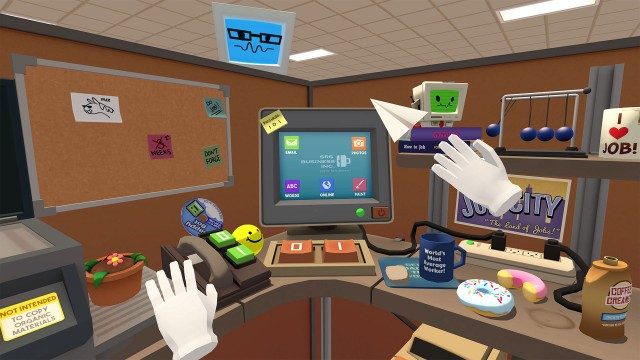
Owlchemy Labs today announced that its tongue-in-cheek simulator game, Job Simulator (2016), has earned over $3 million in sales since its launch last April. According to Owlchemy Labs, this combined with the fact that Job Simulator has generated over 250 million views from videos created by the YouTube community, makes Job Simulator “the most popular VR title to date.”
Trinity VR’s ‘DiamondFX’ Batting Simulator is Made for the Major Leagues
We speak to Trinity VR about their Vive Tracker powered Diamond FX project which aims to provide realistic virtual reality simulations for major league baseball teams, all powered by years of real pitching statistics.
‘DREAMS OF O’ is a Hauntingly Beautiful VR Dive into a Dark and Unforgiving World

Cirque du Soleil and Felix & Paul Studios recently launched another fantastical collaborative VR video, this time delving deep into the world of surreal underwater performance art with its aerial acrobatics, dives, fire, and hauntingly beautiful amphibious characters.
Video: Intel Project Alloy Shows Multiplayer Gaming in Mixed Reality Demo
Project Alloy, Intel’s VR headset with mixed reality (MR) capabilities revealed at Intel Developer Forum last August, got a little extra stage time this CES, as Intel showed off some more of the headset’s gaming chops.
First Look at Windows Holographic VR Headsets from Dell, HP, Acer & 3Glasses
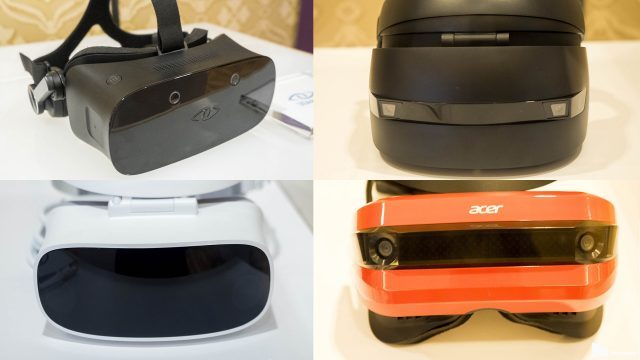
Here’s a visual tour of some of the first VR headsets to be shown adopting Microsoft’s new Windows Holographic platform. At CES Acer, 3Glasses, Dell, HP and Lenovo are all showing VR headsets due for 2017, this is what they’ll look like.
Hands-on: Noitom’s Hi5 VR Glove Brings Compelling Finger Tracking to the Vive
VR input gloves are getting a big boost thanks to HTC’s newly revealed Vive Tracker. The combination of Noitom’s Hi5 VR glove and the Tracker forms a surprisingly compelling input experience that adds finger-level fidelity to Vive experiences.
Huawei’s Mate 9 Pro is Daydream-compatible, Future Phones to Include Tango
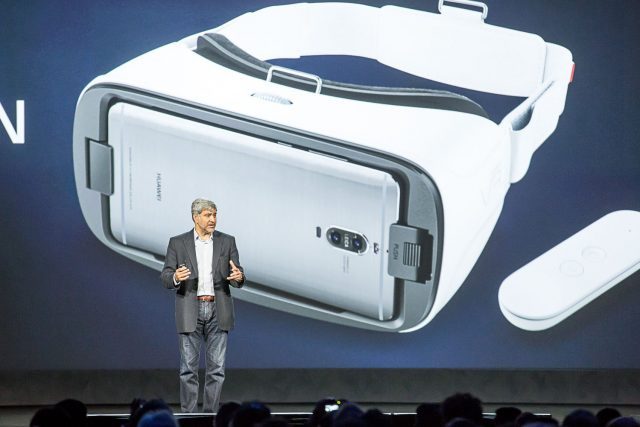
Amit Singh, lead of business and operations at Google’s VR/AR team, today officially announced on stage during the Huawei keynote speech that the Huawei Mate 9 Pro and Mate 9 Porsche Design will be the next phones to conform to the Daydream VR platform. While this generation of Huawei handsets won’t have Tango support, unlike Asus’ ZenFone AR which supports both Daydream and Tango, Google says they’ll be working to bring the platform’s AR capabilities to future Huawei devices.
Samsung Gear VR Install Base Has Passed 5 Million Headsets
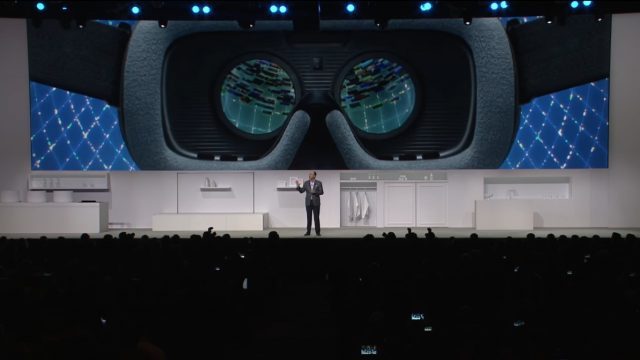
Samsung confirms 5+ million Gear VR headsets are now in use worldwide, announced at their CES 2017 keynote. The Gear VR headset launched in November 2015, and was the first high-quality VR solution for smartphones.
Yes, TPCast’s Wireless VR Solution Does Work with Vive’s New Deluxe Headstrap
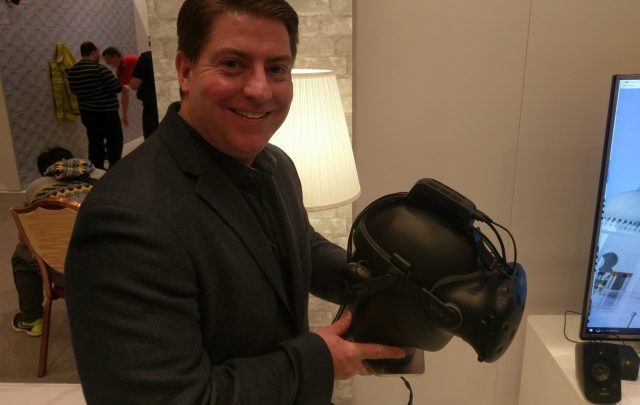
Wondering if Vive’s newly announced powered up Deluxe Audio Strap upgrade will work with TPCast’s promising wireless VR solution? Wonder no longer.
Magic Leap CEO: “We have made something that is small, mobile, powerful, and we think pretty cool”

Magic Leap is a mystery. Parsing through their pre-factual, post-cool ad campaign leaves you with the impression that the brains at the company have created the next be-all and end-all of augmented reality devices thanks to an ingenious light field display technology; and as a curious onlooker, getting a peek of the $4.5 billion startup‘s tech will cost you exactly one non-disclosure agreement. Ok. Probably several. Now founder and CEO Rony Abovitz offers a bit more in his recent blog post entitled Creativity Matters, where he speaks about some of the changes coming to the company in 2017, and for what it’s worth, says it’ll be “a big year for Magic Leap.”
Brain-Controlled VR Experiences: Challenges & Potentials
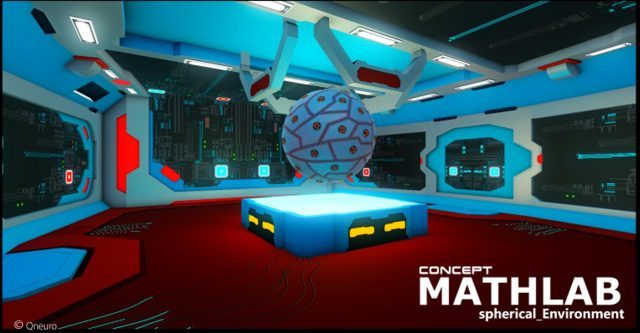
 When I attended the Experiential Technology Conference in May 2016, I heard from a number of commercial off-the-shelf brain-control interface manufacturers that their systems would not natively work with VR headsets because there are some critical portions on the head that are occluded by VR headset straps. Companies like Mindmaze VR are building in integrated EEG hardware primarily for high-end medical applications, and perhaps we’ll start to see more EEG hardware integrations in 2017.
Noitom’s Hi5 VR Gloves Track Your Fingers Powered by Vive’s Tracking Puck
Noitom have unveiled their VR gloves which aim to put your hands and fingers into virtual reality with motion tracking provided courtesy of HTC’s recently launched Vive Tracker accessory.
‘vTime’ Becomes Most Widely-Available Social VR Platform
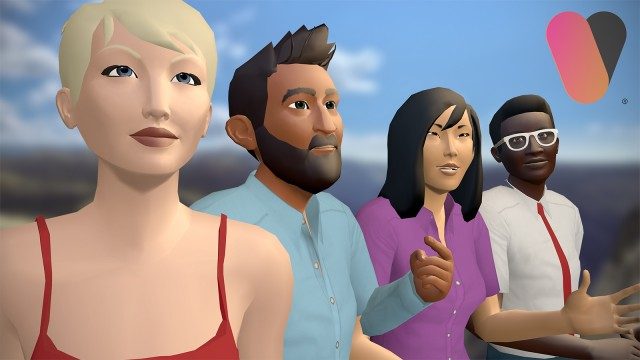
With social VR platform vTime’s recent launch on Google Daydream, the UK-based company vTime Limited can proudly say they’ve created the most-widely available social VR platform in the world. Used by people in 195 countries, vTime is both free and cross-compatible with Samsung Gear VR, Oculus Rift, Google Cardboard, iPhone and now Google Daydream.
FOVE Begins Shipping $599 Eye-Tracking Headset this Month

Eye-tracking is oft called the ‘next generation technology’ for VR headsets—lest we forget FOVE, the creators of the world’s first commercially available eye-tracking VR headset, the aptly named FOVE 0. The company has recently announced that they’ll begin shipping FOVE 0 around the world starting January 2017.