Alvin Wang Graylin is the China President of Vive at HTC, and I had a chance to talk with him at CES this year about what’s happening in China. He provided me with a lot of cultural context, which includes support from the highest levels of Chinese Government to invest in companies working on emerging technologies like virtual reality and artificial intelligence. There were a flood of Chinese companies at CES showing VR headsets, peripherals, and 360 cameras. On average, the VR hardware from China tends to be no where near the quality of the major VR players of the HTC Vive, Oculus Rift, Sony PSVR, or Samsung GearVR, but there were some standout Chinese companies who are leading innovation in specific area. For example, some highlights from CES include TPCast’s wireless VR, Noitom’s hand-tracked gloves, and Insta360 with some of the cheapest 360 cameras with the best specs available right now.
Neo-noir action-thrillerJohn Wick (2014) has come to the Vive in its new VR wave-based arcade shooter John Wick Chronicles. Recreating the look and feel of the film franchise while offering up a heavy slice of gun play and plenty of moving targets, the game can be an exciting trip into the John Wick universe at times, but ultimately ends before it even begins.
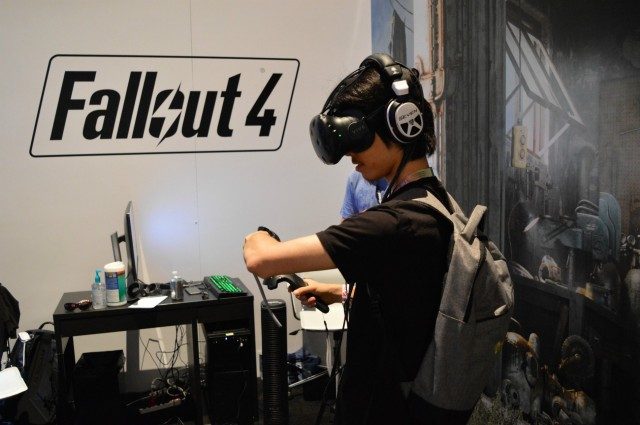
Bethesda Game Studios made the surprise announcement at E3 last year that the company would be porting the entirety of Fallout 4 to virtual reality, and confirmed it would be released for both the HTC Vive and in VR on the forthcoming Xbox ‘Project Scorpio’ console. Since then, the company has been relatively silent on the status of the project, but has recently affirmed ongoing progress.
Sightline developer Tomáš ‘Frooxius’ Mariančík has released a major update for his collaborative ‘world engine’ NeosVR which adds an incredibly cool multi-user visual programming interface, so you and your friends can code together, entirely within VR.
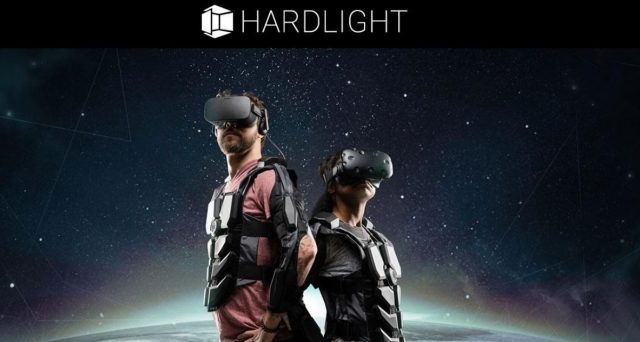
NullSpace VR are poised to launch a new haptic vest focused toward immersive, virtual reality gaming, via Kickstarter soon. The Hardlight suit integrates 16 haptic pads that allow you to feel directional impact linked to actions inside the VR experience.
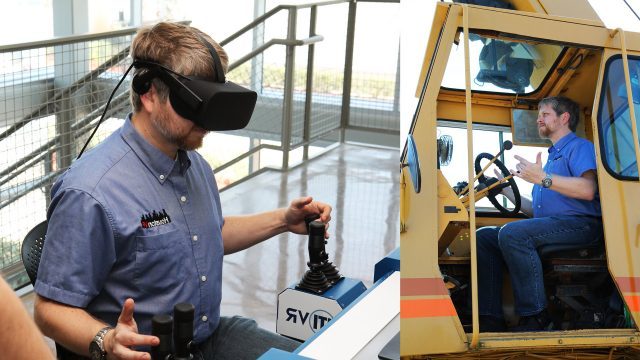
Last week, I traveled to the Houston Area Safety Council in Pasadena, Texas, to put Industrial Training International VR’s new crane simulator through its paces. While ITI has been training crane operators, riggers, and signallers for 30 years, the inclusion of VR in their training programs is a recent development. To test the effectiveness of their VR crane simulator ITI offered to let me—someone who has never operated heavy machinery in their life—spend an hour training with the system and then apply what I learned to operating an actual crane.
Guest Article by Eric Liga
Eric is the co-founder and co-organizer of the HoustonVR Meetup, and an event manager for the Immersive Technology Conference. He was the VR technical adviser for the VR Pain and Anxiety Management pilot program at Memorial Hermann Prevention and Recovery Center, and has been actively involved in the VR scene since the 2012 Oculus Kickstarter. He has been a professional computer programmer for over 20 years.
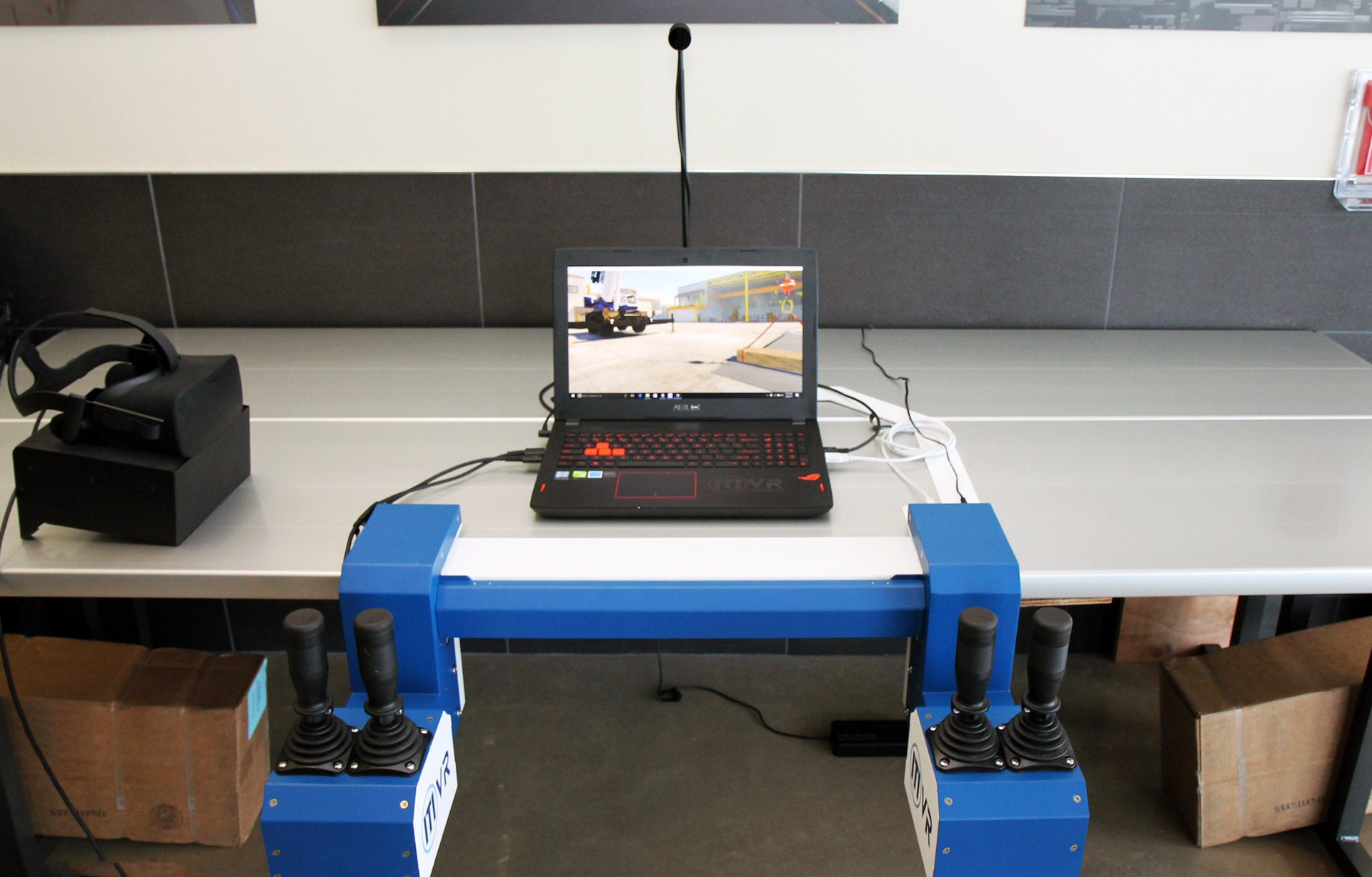
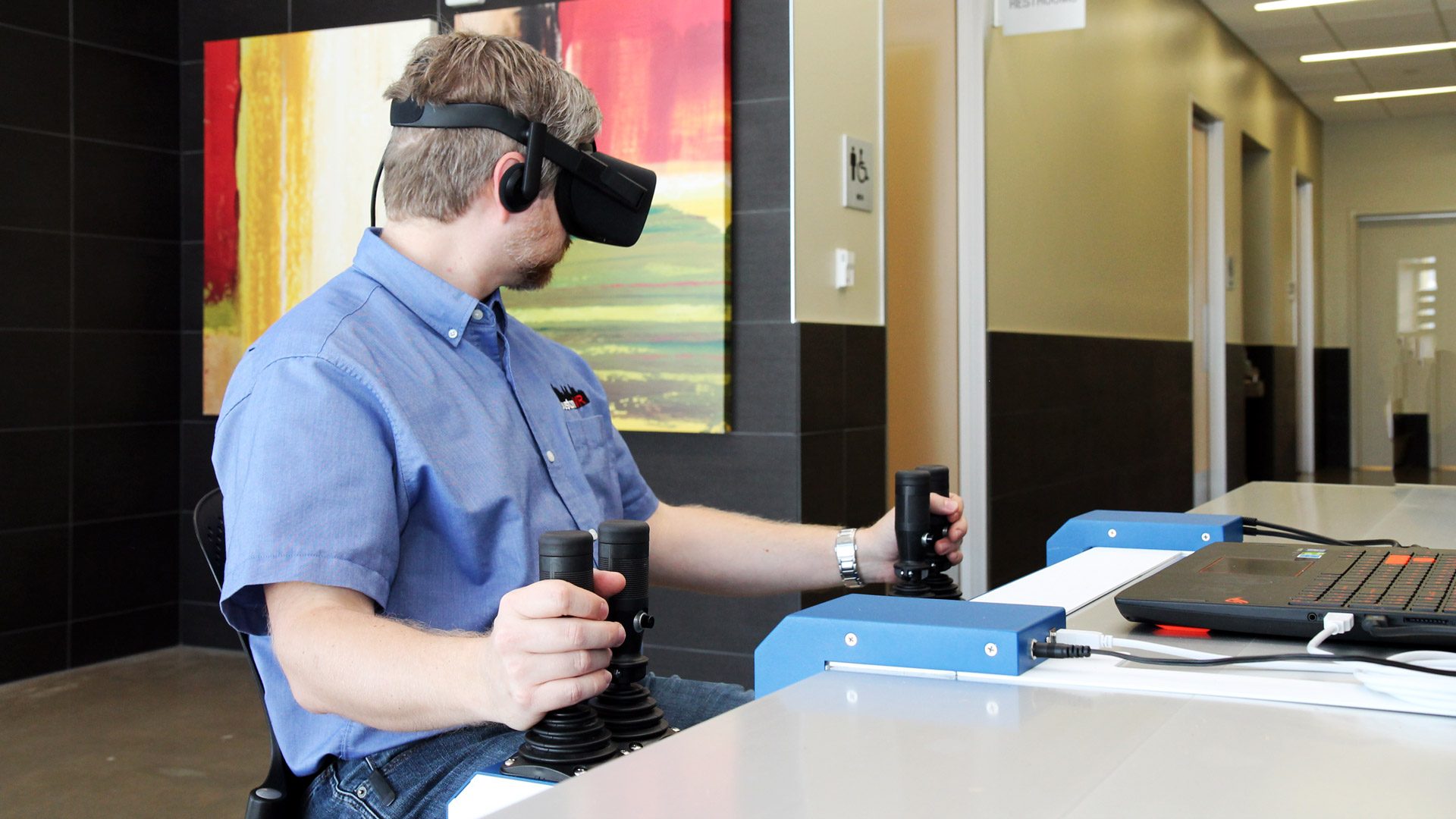
Unlike traditional simulators, which physically replicate a crane’s cab, surrounded by oversized monitors, ITI’s VR crane simulator is compact and rather modest looking. A laptop outfitted with a GTX 1070 drives output to an Oculus Rift, and a metal bracket with four joysticks (interchangeable to match a range of crane brands and models) attaches to any available table using a pair of clamps. The simulator weighs 30 lbs and packs neatly into a rolling Pelican case (at a total of 68lbs) for transport, making it reasonable to take the simulator to on-site locations for training or evaluation of job candidates.
ITI plans to sell the hardware elements of its crane simulator at-cost (a fraction of the $100k starting price of most traditional crane simulators), plus a yearly software license fee. Access to upcoming features, including new types of cranes (such as Overhead Cranes) and multi-user scenarios, is included in the licensing cost. Simulators will allow networking to support scenarios with multi-crane lifts and integrated training of signal people outfitted with VR hand-trackers.
If haptic feedback is desired, the “Motion Base” model of the simulator includes a platform with hydraulic lifts at each corner and bass transducers to simulate engine rumble. This version of the simulator wasn’t available to demo, but I tested an equivalent base integrated into ITI’s Aerial Work Platform simulator. In that capacity, it did a fine job of adding to the sensation of “actually being there.” At 400 lbs, the inclusion of the base would negate many of the simulator’s advantages in compactness and portability, but in a permanent installation, it could add nicely to the experience.
Paired with a monitor instead of a VR HMD, the simulator was functional, if unexceptional. Adding in the VR headset, however, moved the experience into a different category. The addition of depth perception made understanding the motion of the crane’s distant chain far easier, and being able to glance up to check the boom tip, or lean around to check mirrors made the experience much more comparable to actually operating a crane.
Having never operated a crane before, let alone any type of heavy machinery, a number of the required skills turned out to be neither easy nor intuitive for me, and my initial forays in the simulator were less than promising. Suspended loads swung perilously close to signalmen or knocked over boxes and barrels. Virtual overseers chided me for taking too long or setting down loads too hard. By this point, Caleb Steinborn, ITI’s Product Manager of VR Simulations, may have begun to regret ever offering to let me operate a real 22 ton crane after the VR training.
One challenge for me was “booming up and lowering the load.” This involved maintaining the cargo at a set height while angling the boom arm up. Imagine the motion of a lure at the end of a fishing line: when you angle the fishing pole up, the dangling lure moves up with it. On a crane, an operator must extend the chain (hoist) at the same rate as the boom would be raising it, to keep the load level while maneuvering the boom at the same time. This may also need to be done while rotating the boom, in which case the operator must manage two joysticks with one hand and a third joystick with the other.
Another task, even more challenging for me, was “catching the swing.” Once the crane arm stops moving, momentum will cause the suspended load to continue on its path, setting the chain into a 1 or 2-axis swing. To stabilize the load, the crane operator must then move the boom arm to follow the load’s center of gravity, overshooting slightly at the end of the swing in each direction, to compensate for momentum and keep the load stable.
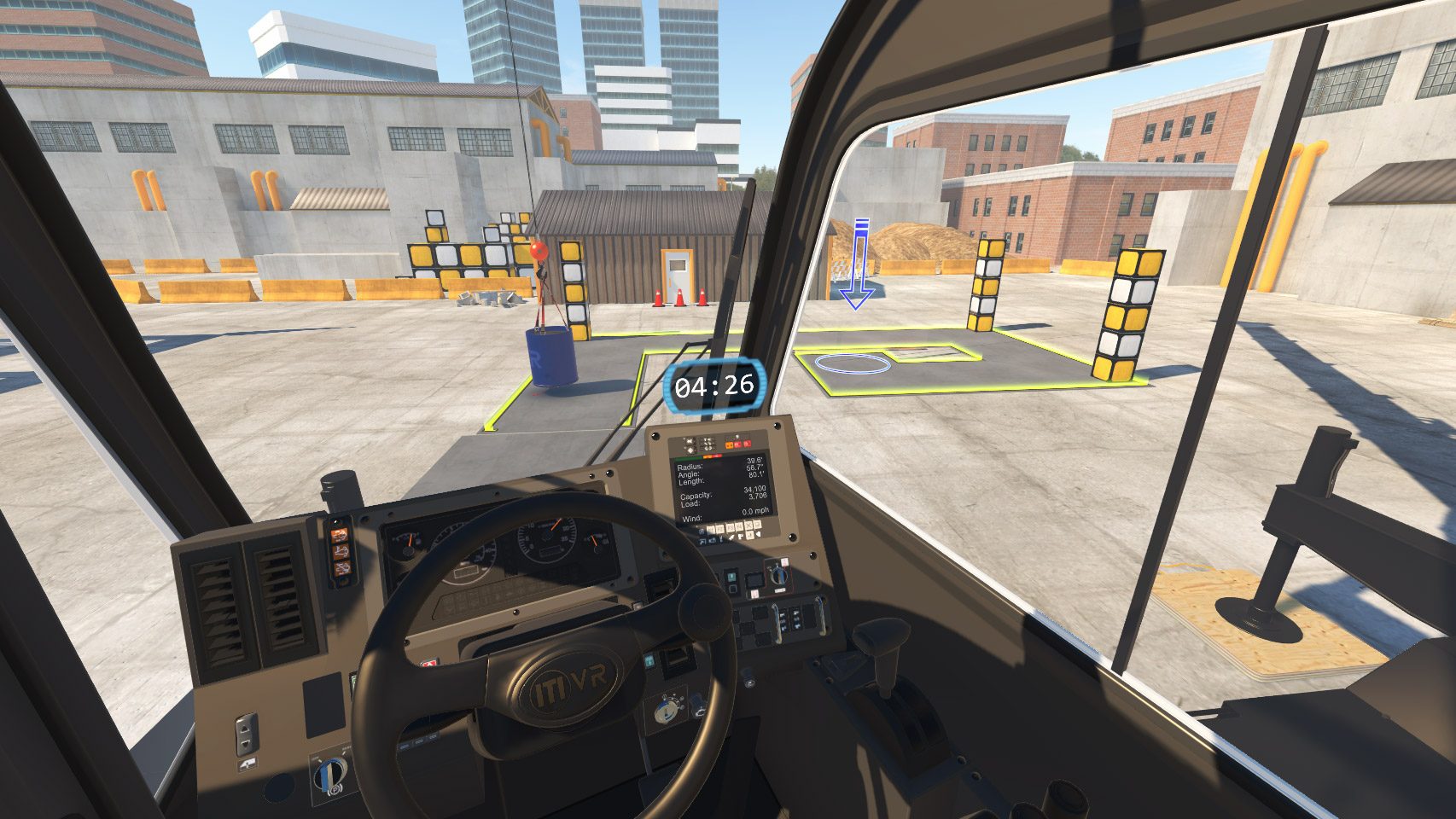
While the simulator’s full training sequence includes over 18 hours of content, I only sampled one or two scenarios from each unit, completing a heavily abbreviated course in just under an hour. The final test, a simulation of the National Commission for the Certification of Crane Operators Z-Corridor Practical Exam, required me to guide a suspended barrel through a zig-zag corridor lined with tennis balls balanced on poles. Knock a ball off of a pole? You fail the test. Bump the ground with the barrel, or raise it higher than the short length of chain trailing below it? You fail the test. Take longer than 4 minutes to complete the task? Fail.
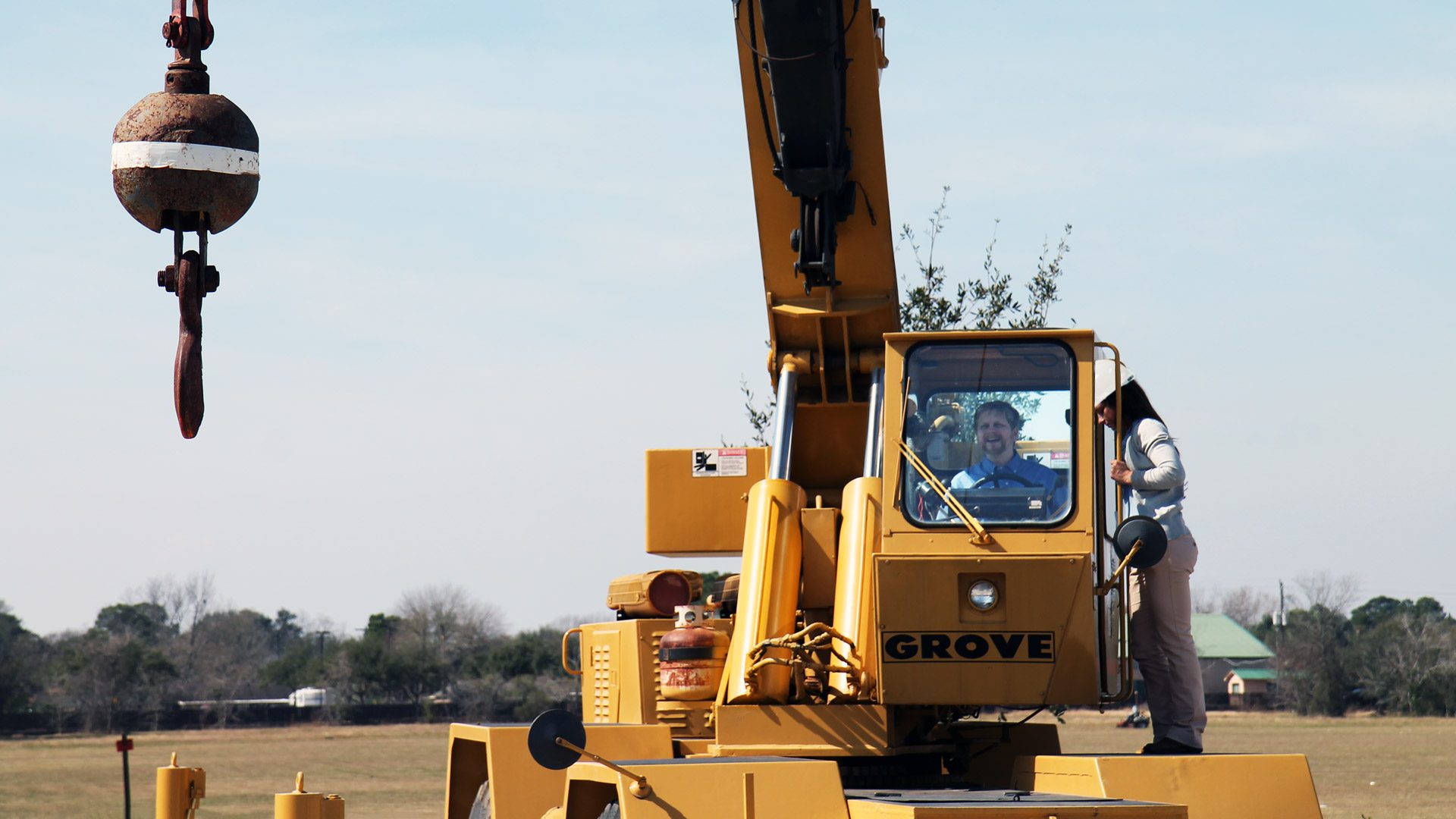
Did I pass? Well… no. I did make it perhaps three quarters of the way through the course before failing, though. This seemed to satisfy the training supervisor that I could perform some basic operations on a real crane—under supervision—safely. So after some hurried consultation with the higher-ups at HASC, our small group was loaded into a golf cart and whisked out to meet the 22 tons of yellow-painted metal which I would now attempt to operate.
Rather nervously, I climbed up onto the crane, clambered awkwardly into the cab, and listened as Amanda Jordan, the ITI Houston Branch Regional Director, gave me a run-down of the this specific crane’s control scheme. Within a minute or two, I had adapted to the new set of levers and pedals and had the “headache ball” crane hook at the end of the hoist gliding in various directions around the testing area.
Could I “boom up and lower the load”? Yes.
Could I “catch the swing”? Yes.
Could I maneuver a suspended barrel through a tricky obstacle course? Well… probably not. And I didn’t try. But I did feel confident that more time spent in the simulator would bring my abilities up to snuff. And the simulator did a superb job of replicating the experience of operating an actual crane—an assessment which appeared to be shared by a handful of crane operators and trainers we convinced to stop in for a moment to run through a test scenario or two.
It’s worth noting that ITI’s development partner, Edmonton-based Serious Labs, took the software side of ITI’s crane simulator from concept to final product in 8 months. Doubtless, this was aided by the ability to reuse assets from other simulators (the Aerial Work Platform simulator shared much of the same environment), but the end result was impressive nonetheless.
ITI’s VR crane simulator will officially debut at ConExpo in Las Vegas and will begin shipping to clients in the latter half of March.
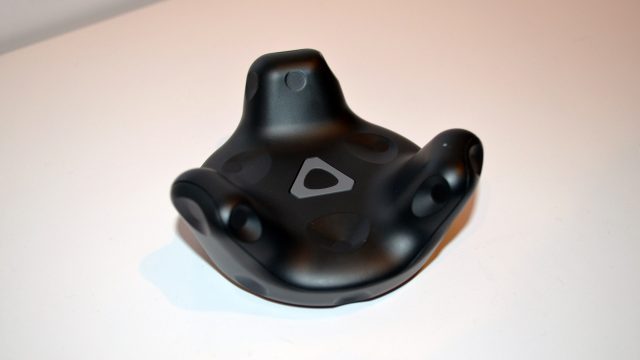
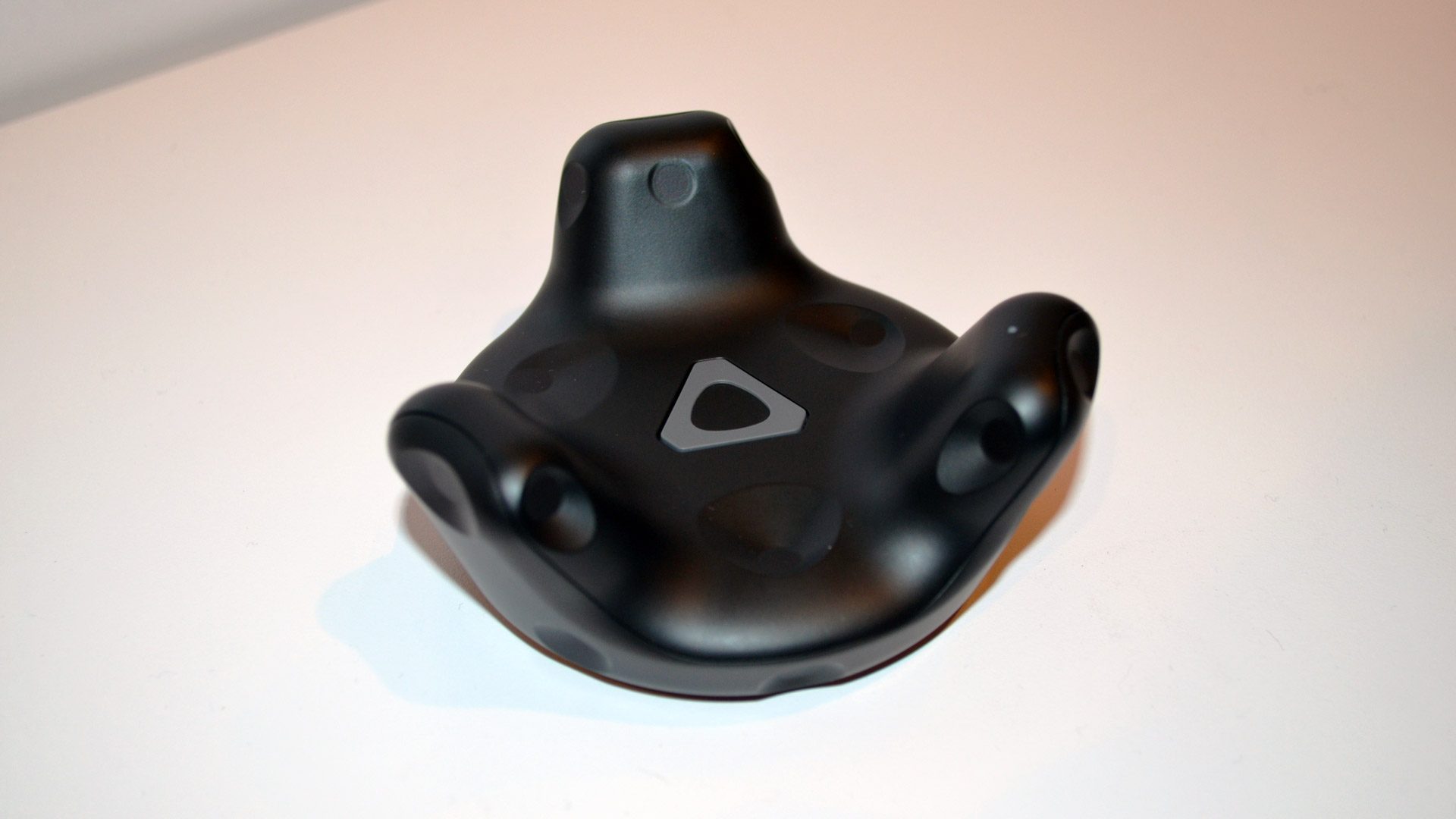
HTC promised to give away 1,000 Vive Tracker dev kits in an effort to kick start an ecosystem of accessories and VR game implementations for the motion-tracked accessory. Now the company says the first shipments are on their way to developers.
A survey of game developers attending the annual GDC conference suggests major growth in the number of developers building games for AR and VR headsets.
At Unity’s Unite keynote in November, Otoy’s Jules Urbach announced that their Octane Renderer was going to be built into Unity to bake light field scenes. But this is also setting up the potential for real-time ray tracing of light fields using application-specific integrated circuits from PowerVR, which Urbach says that with 120W could render out up to 6 billion rays per second. Combining this PowerVR ASIC with foveated rendering and Otoy’s Octane renderer built into Unity provides a technological roadmap for being able to produce a photorealistic quality that will be like beaming the Matrix into your eyes.
Designer and Creative technologist Dong Yoon Park has painstakingly recreated a Star Wars battle scene inside VR with Google’s Tilt Brush. Watch this beautiful digital art come to life in this walkthrough and speeded up realtime recording.
Powered by the PS4, PSVR might not be the most powerful VR platform out there, but the newly released Joshua Bell VR Experience shows that execution—not oomph—is a major part of what makes VR great. The VR video experience uses inventive techniques to give you an immersive front row seat to a world-class violinist, featuring positional tracking and impressively sharp visuals.
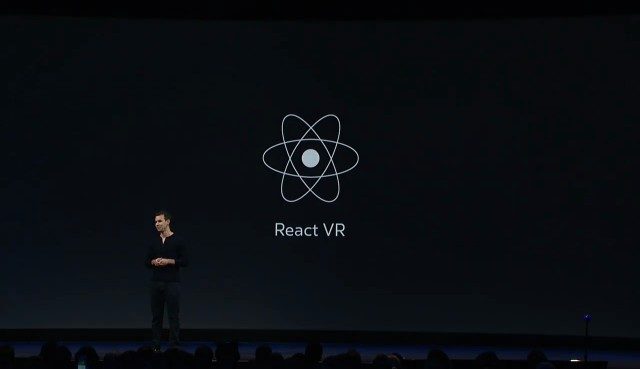
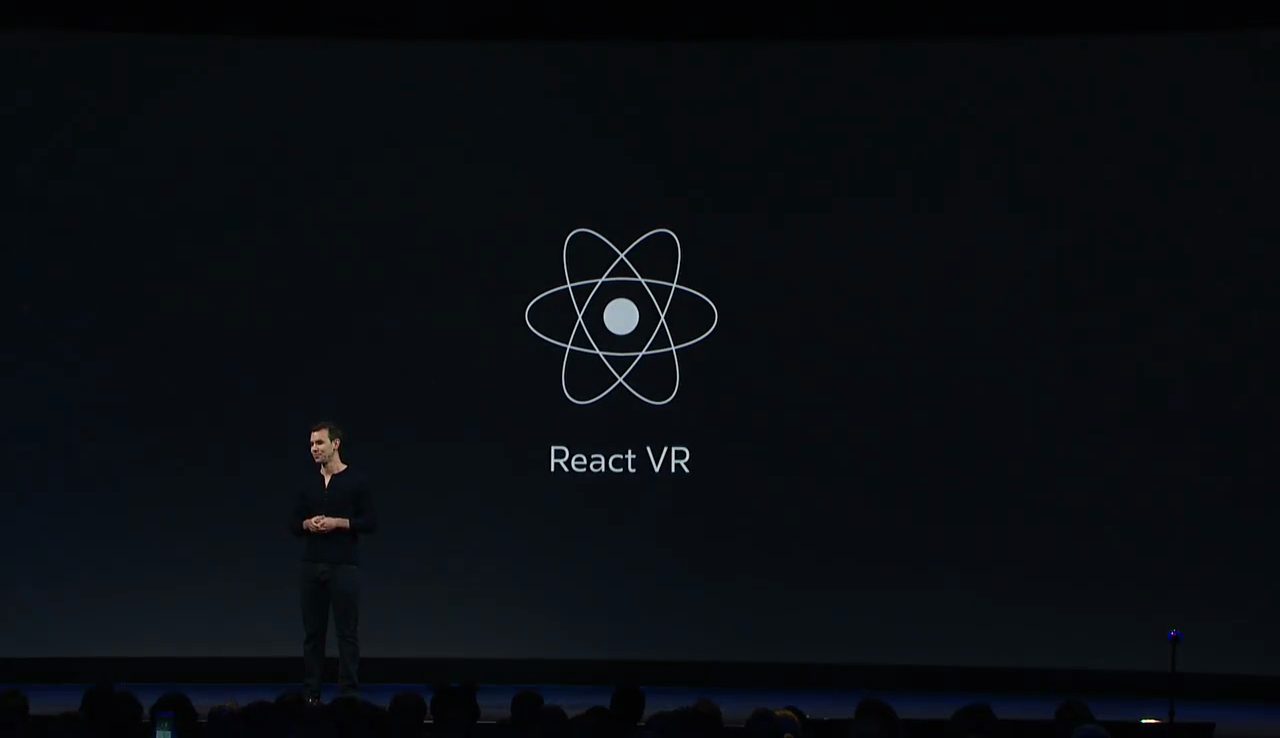
Michael Antonov, Chief Software Architect at Oculus, is due to speak at Facebook’s F8 Developer Conference on April 18th about React VR, a framework that builds on Facebook’s React JavaScript library. This web-based framework allows easier creation of VR content that can run on VR headsets from the browser.
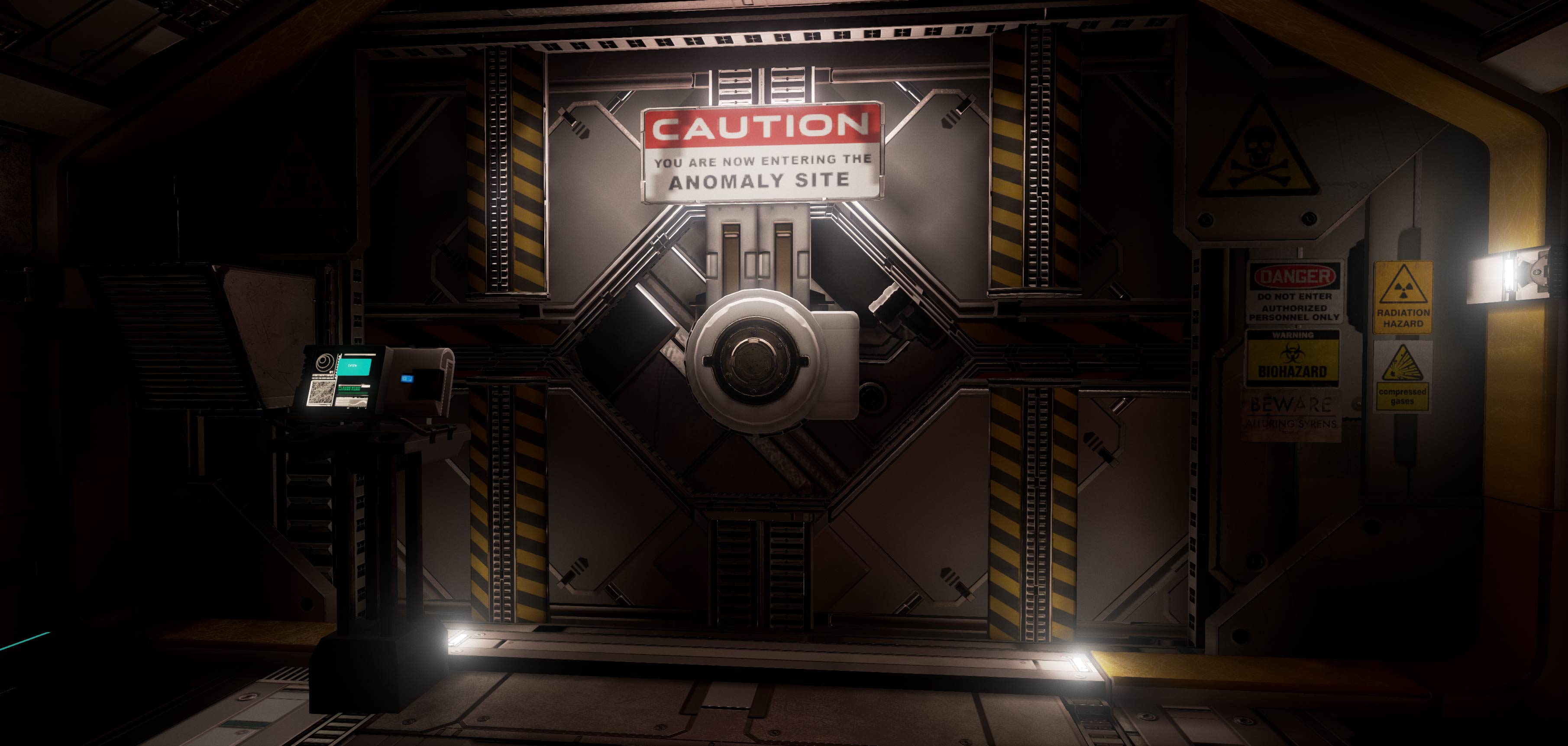
SYREN (2017)is a single-player, survival-horror game that will have you sneaking around corners, hiding under virtual desks, and flailing helplessly as you’re mauled to death by the world’s ghastly “Syrens,” a terrifying amalgamation of human/robot/awfulness. Despite some pretty distracting bugs in the game, it’s safe to say that people with high blood pressure or heart conditions need not apply.
SYREN Details:
Developer: Hammerhead VR Available On: Oculus Touch, HTC Vive (Steam and Oculus Home) Reviewed on: HTC Vive and Oculus Rift Release Date: February 15th, 2017
Update 02/16/17:Hammerhead VR originally provided us with a Steam code for review purposes. After publishing the review, the studio informed us that the Steam code was actually for an older version of the game, and that many of the bugs we encountered had already been fixed. Furnished with a new Oculus Store code, we were able to verify that many of the bugs, at least for the Rift version (originally detailed in the ‘Immersion’ section of the review) including difficulty with Touch’s control scheme, virtual hand position, and shooting guns, were indeed fixed. The issue of ‘wall-hacking’ was also addressed to a large degree, as physically moving through walls will entirely black out your vision. Some architecture, like support beams and furniture can however still be used in this manner for cover.
Because we believe this was an honest mistake on the part of the studio, we’ve altered the ‘Immersion’ score to reflect the changes, which in turn has pushed the overall score up by a half-point. You’ll find the original article below with an asterix (*) appended to the few sections where bugs had either been completely fixed, or addressed in some way by the studio.
Gameplay
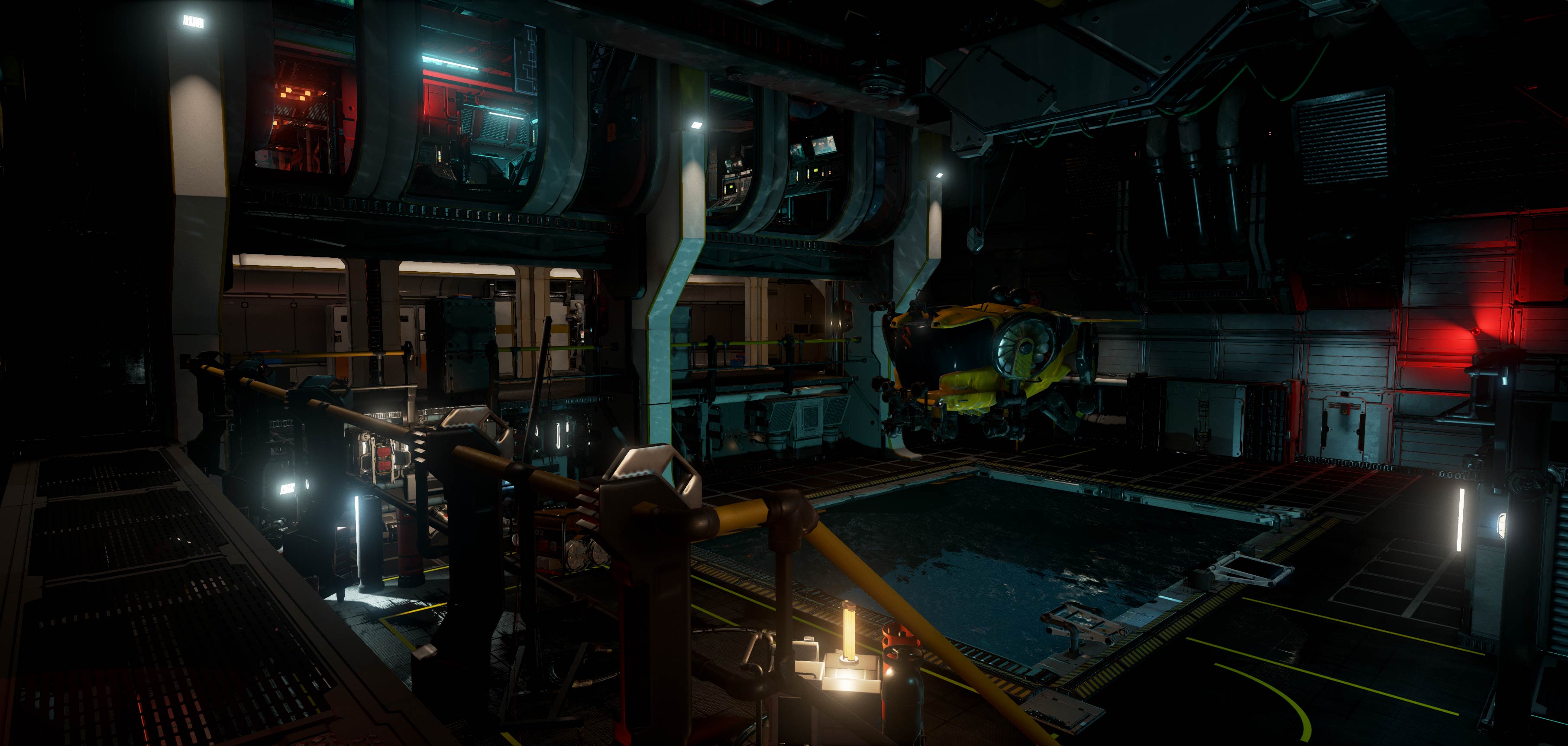
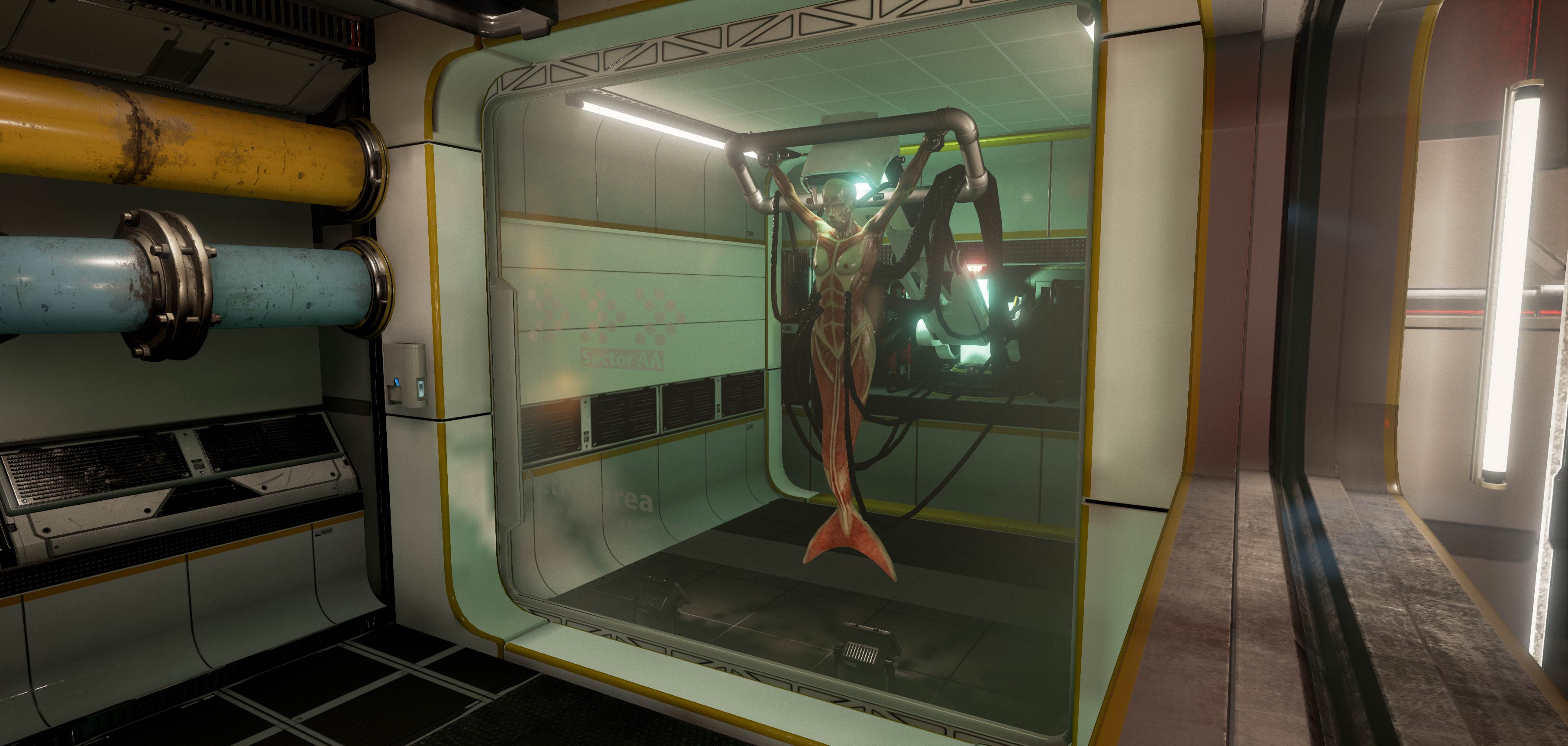
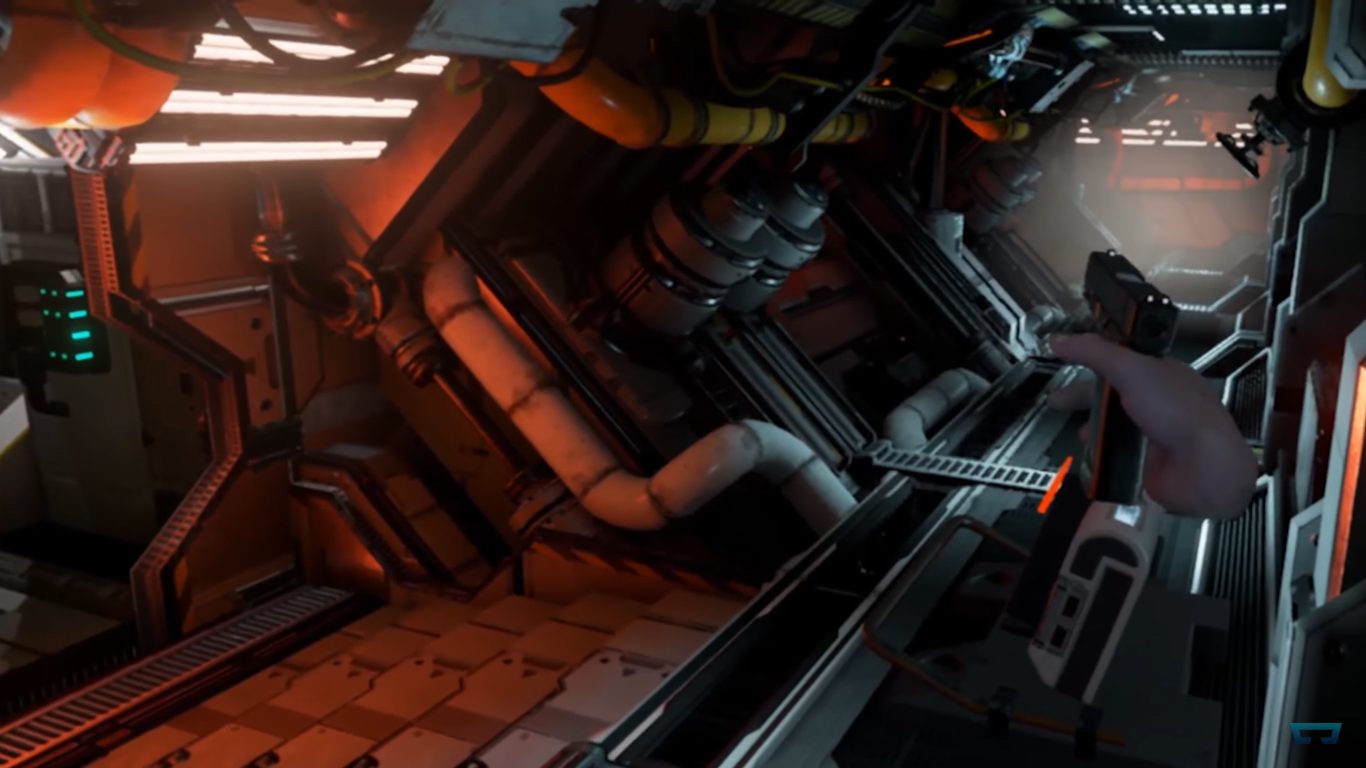
Much like Alien: Isolation (2014), Syren is an absolutely terrifying game of hide and seek, but this time instead of the claustrophobic world of a spaceship and an acid-spitting Xenomorph, you’re in an underwater research facility placed above an ancient lost city once populated by a species of kind-of-sexy, kind-of-horrific mermaids—at least they were supposed to be, as the creatures you meet are genetically engineered copies called Syrens.
Created by a scientist obsessed with eugenics, your job is to escape the now damaged facility that’s become overwhelmed with the free-roaming Syren, going across a number of levels filled with deceased colleagues and all manner of interactive items that can bring you ever closer to the 5-level facility’s next pressurized door.
Each level is essentially a puzzle with a few different solutions, from nabbing a keycard off a desk and sneaking past a lonely Syren, to all-out shoot-em-up chaos with multiple baddies as you learn the mystery of the madman who created the facility.
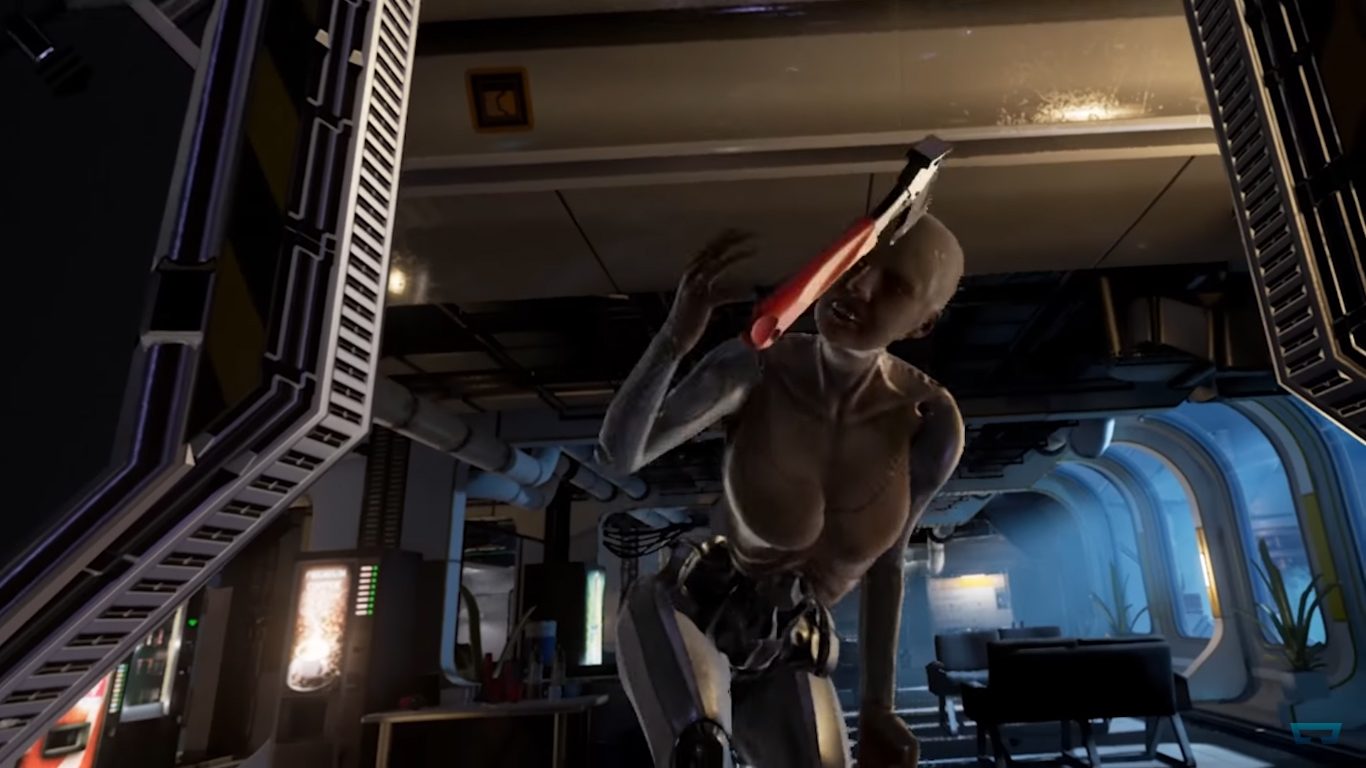
The game has a very specific idea of how it wants you to proceed, something I found to be slightly frustrating early on. After getting killed multiple times by the same Syren and getting tossed back to the beginning of the level, I found out that when they lunge at your throat, you can’t simply whack the beast to death with an ax that you collected earlier like you naturally would if someone was coming at you and you had a melee weapon in hand. Rather, the game wants you to physically throw the ax, thereby losing it in the thing’s face so the game can leave you without a weapon for the next trial. The only way you can figure this out is either by having the original thought to toss the ax, or by failing your way to the solution like I did.
1 of 4
Image courtesy HammerheadVR
Although there’s a steep learning curve to how you interact with the Syren (mostly by staying far away from them, running and hiding for your life), eventually the game becomes a little more intuitive as you learn the rules that the AI Syren abide by. For example, if a Syren gets close enough to you, it initiates an uninterruptible attack that you have to stomach—a wailing monster screaming in your face and biting your neck—so you learn to avoid these pants-shitting moments as best you can, otherwise you’ll be sent back to the beginning of the level.
You can get away from Syrens by hiding stealthily, teleporting quickly to find cover, or by distracting them by throwing items far away from you to take them off your track. Since the monsters react to noise (and strangely enough not your voice via the headset’s microphone), they will scream over to where the object landed, only to find no one there, giving you some time to dodge around them. There are however multiple Syrens per level, so this is where it gets tricky.
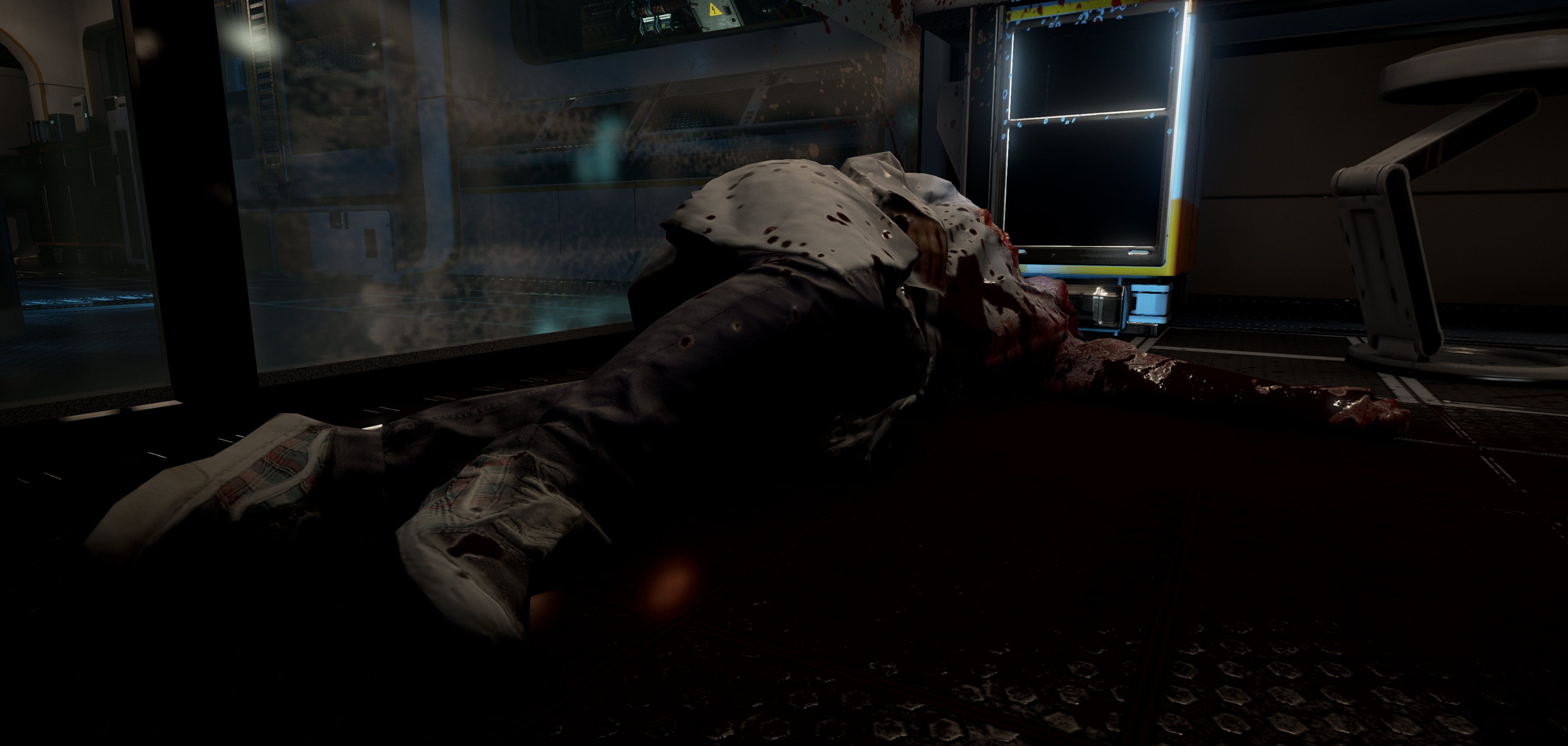
Several times I found myself hiding under a desk, or behind a dead body for cover, all the while hearing the banshee screams and heavy breathing of the genetically engineered monsters coming my way. And if it weren’t enough of a fright, no matter where they find you, cowering in a corner or halfway outside of a locker, they always grab you by the face and scream a horrifying noise into your ears.
Immersion
The Syrens make a lot of noise, which should be a good thing on principle so you can avoid them efficiently, but the noise wasn’t at all muffled by objects like walls or barriers like in real life. If you find yourself sandwiched in a side room with two Syrens slinking around and breathing all scary-like, you won’t have a good idea of realistically where they are. Instead, a Syren will sound like they’re right on top of you even though you have a concrete wall between you.
Whether you’re using Oculus Touch or the Vive’s Lighthouse controllers, hands simply aren’t centered 1:1, making them seem a full three inches away from where your hands naturally rest on the controllers. While it’s not game-breaking, it certainly hampers immersion. In the end, this isn’t something dramatic to fix, but how such a critical immersive error got through on launch, I’m just not sure.*
On the note of controllers, Oculus Touch support could be a lot better. The game requires you to push down and click on the joystick to teleport, which proves to be just about as awkward as can be. Teleporting is much more intuitive on the Vive, requiring you to simply rest your thumb on the touchpad and engage a quick click, but Rift users beware.*
Firing guns in the game unfortunately never felt natural on either Touch or Vive controller, as your index-trigger is used to pick up and hold items and a regular button press is used to activate or fire it. This made it feel more like changing the channel on a remote control than firing a gun.*
And this is the part of the article where I make my biggest confession. I am a dirty, no good, wall-hacking cheater.*
Because the game is room-scale, it means you can teleport close to walls and actually walk through them. Some games like Budget Cuts or Onward (2016) don’t allow you to do this, either by making it impossible to see or leaving your body behind to be ravaged by enemies, but not so with Syren. When a screaming water-banshee is running you down, and you can walk straight through a wall and escape—the natural choice is to flee anyway the game will let you. While I know I’m a weak and shameful person for using this cheat to get away, it really shouldn’t even be an option in the first place.
There, I feel better now.
Comfort
While you’ll never be truly comfortable with genetically modified mermaid-beasts skulking around, nuts and bolts-wise Syren is a supremely comfortable experience because it lets you explore the world using teleportation and 45 degree snap-turning—two common locomotion schemes that most everyone shouldn’t have a problem in the nausea department.
Even though at times I honestly wish I could sit down and mash a joystick forward on a gamepad instead of frantically selecting a place to teleport—because it’s not only faster, but easier—the standing room-scale aspect of the game lends to overall comfort and immersion. And somehow it’s always scarier that way, as you’re on your hands and knees hiding behind something and hoping the monster doesn’t see you.
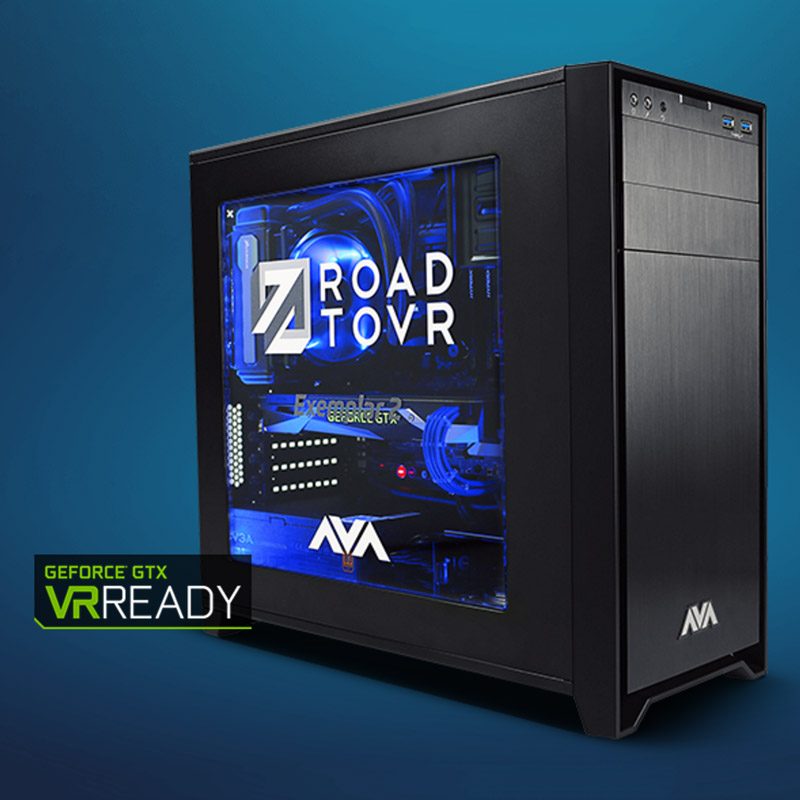
We partnered with AVA Direct to create the Exemplar 2 Ultimate, our high-end VR hardware reference point against which we perform our tests and reviews. Exemplar 2 is designed to push virtual reality experiences above and beyond what’s possible with systems built to lesser recommended VR specifications.
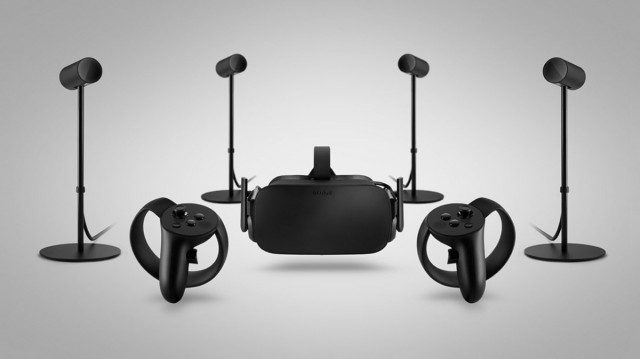
Oculus’ most recent platform update, 1.11 was designed to improve tracking performance for experimental room-scale tracking setups with two or more Sensors. For some users however, the update seems to have made things worse. Oculus has now acknowledged the lingering issues and promises that the next two updates will aim to address the problem.

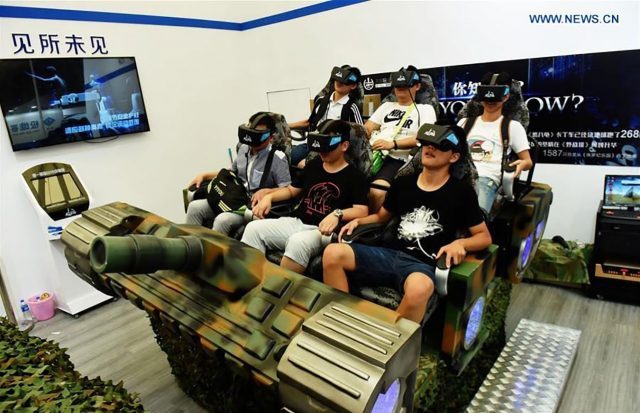
 Alvin Wang Graylin is the China President of Vive at HTC, and I had a chance to talk with him at CES this year about what’s happening in China. He provided me with a lot of cultural context, which includes support from the highest levels of Chinese Government to invest in companies working on emerging technologies like virtual reality and artificial intelligence. There were a flood of Chinese companies at CES showing VR headsets, peripherals, and 360 cameras. On average, the VR hardware from China tends to be no where near the quality of the major VR players of the HTC Vive, Oculus Rift, Sony PSVR, or Samsung GearVR, but there were some standout Chinese companies who are leading innovation in specific area. For example, some highlights from CES include TPCast’s wireless VR, Noitom’s hand-tracked gloves, and Insta360 with some of the cheapest 360 cameras with the best specs available right now.





 At Unity’s Unite keynote in November,