VR Sports Training Company STRIVR Labs Scores $5 Million Investment
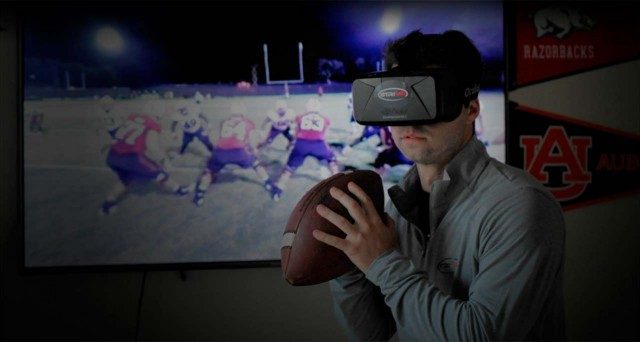
STRIVR Labs, a company focused on using VR for sports training, plans to use a new $5 million investment to expand the scope of its “experiential learning” platform.
Oculus CEO Steps Down to Head PC Division, Founder Palmer Luckey to Shuffle Too
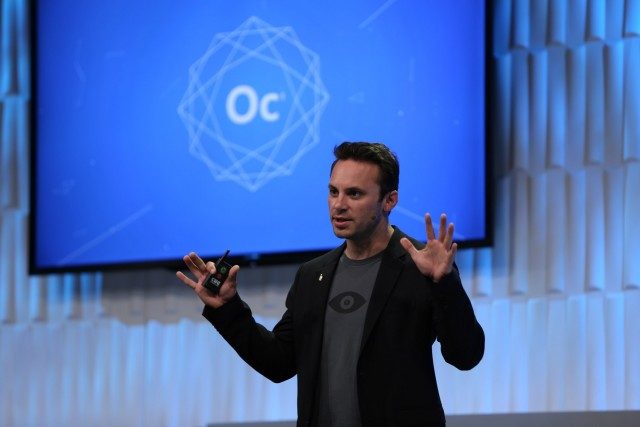
In a post to the company’s official blog, Oculus CEO Brendan Iribe confirms he’ll be stepping down from the company’s top position to head the new PC VR group. Founder Palmer Luckey will also land in a new role.
‘The Unspoken’ is Getting a Spectator Mode, New Classes, Arenas, and Play Modes in 2017
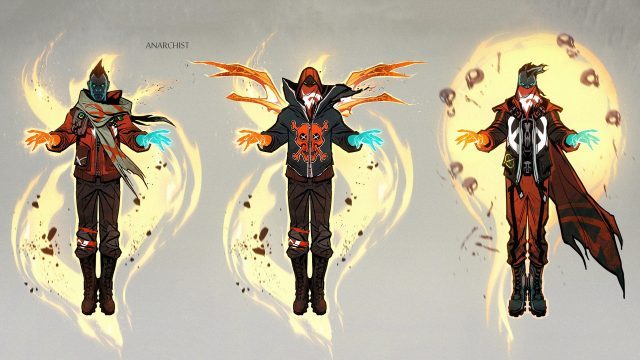
Insomniac Games have laid out their plans detailing content updates for their Oculus Touch launch title The Unspoken – and there’s a lot of stuff on the way.
‘Perfect’ is a Relaxing Virtual Getaway for PSVR
nDreams, the company behind this year’s VR intriguing adventure title The Assembly, have announced a new project which offers an altogether different experience. Perfect is a transportative, relaxation experience which aims to whisk your mind away to beautiful locations in order to escape the daily grind.
The ‘Orah 4i’ 4k Live Streaming 360 Camera is Available to Pre-order Now
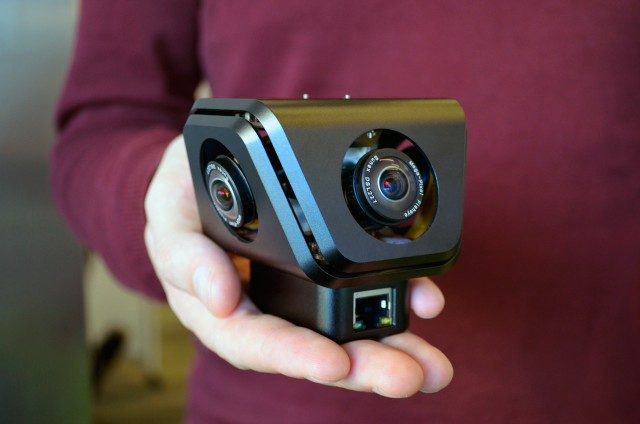
VideoStitch, the company behind the eponymous 360 post-production software suite, yesterday announced the launch of their first 360 camera, the Orah 4i. The all-in-one solution provides a 4k resolution image that can be automatically stitched and transmitted them live to VR headsets and video streaming platforms.
Xbox One Owners Can Now Stream Games in VR Via PC
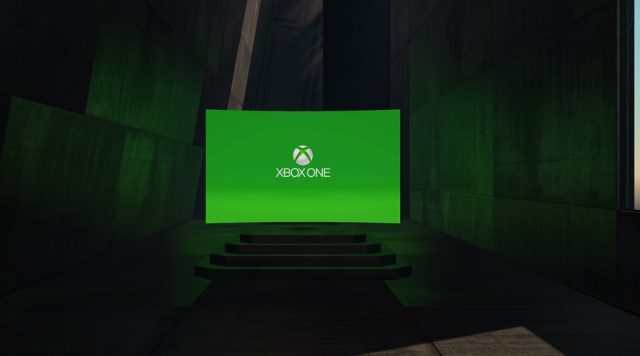
Microsoft has enabled a long promised feature for their games console the Xbox One, the ability to stream games into a VR environment via a headset attached to a PC.
VR Metaverse Company High Fidelity Raises $22 Million in New Funding
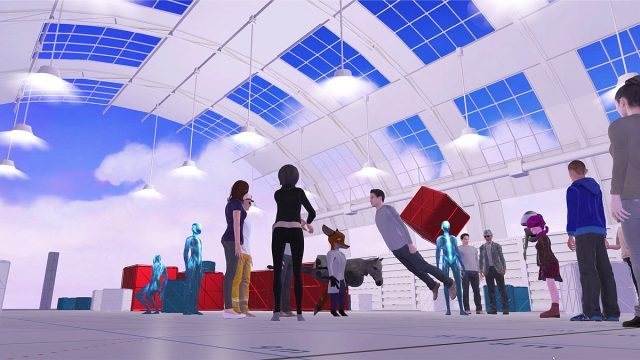
Uncovered among recent regulatory filings, VR metaverse company High Fidelity has raised $22 million in new funding.
Designing a VR Escape Room Puzzle Game with ‘I Expect You to Die’

 VR escape room games are one of the emerging genres that are particularly well-suited for the affordances of VR, and Schell Games’ I Expect You to Die sets the standard for creating this type of puzzle game. I had a chance to catch up with game design director Shawn Patton at GDC in March where he shared some of the design strategies for I Expect You to Die.
What VR Headset Makers (not analysts) Have Actually Said About Sales Expectations
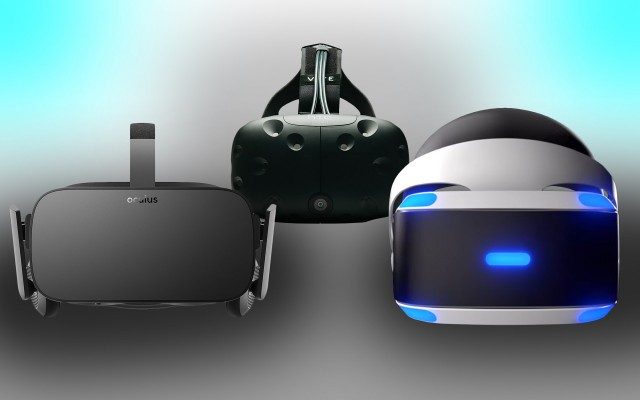
If you’re at all involved in the VR space, you likely recently saw a flurry of downtrodden headlines describing “slow,” and “modest,” holiday VR headset sales, with some even calling VR “the biggest loser this holiday.”
Get $100 in Free VR Games When You Buy an NVIDIA GPU and HTC Vive
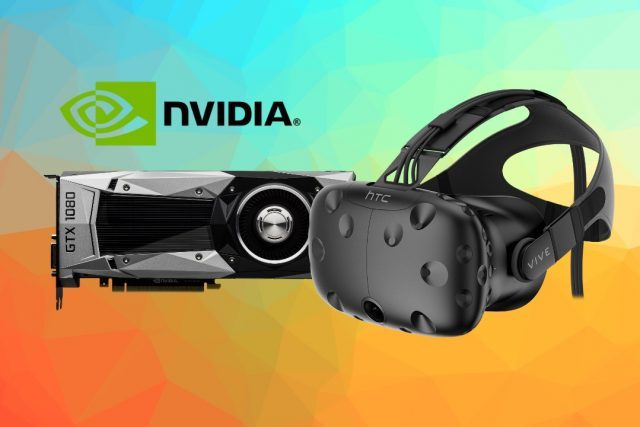
Haven’t decided whether to pull out the credit card and buy the VR system of your dreams yet? Well, NVIDIA is making it that much harder this holiday season with a new bundle that includes three highly rated games for free when you buy a GeForce GTX 1080, 1070, or 1060 GPU and an HTC Vive headset.
Nikon Turns Attention Toward 360 Video with Expert Panel
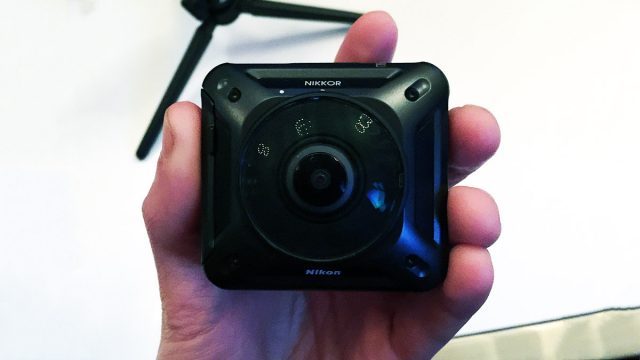
Nikon’s foray into 360° video continued at the ‘Nikon Innovation Forum: The 360° Video Revolution’ event in NYC last week. There the company’s recently released KeyMission 360 action camera was the centerpiece among non-360° action cameras of the same series. In addition to the camera displays and examples of footage shot on Nikon’s KeyMission series, the event featured a 360° video-focused panel of accomplished industry folk and a brief address by Nikon’s President and CEO, Toru Iwaoka.
Deal: Buy an Oculus Rift and Get a $100 Amazon Gift Card
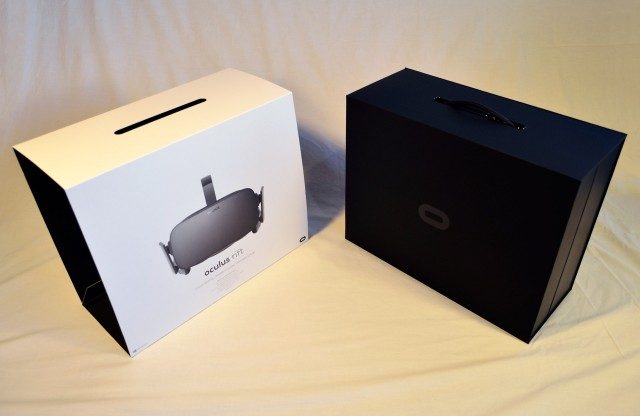
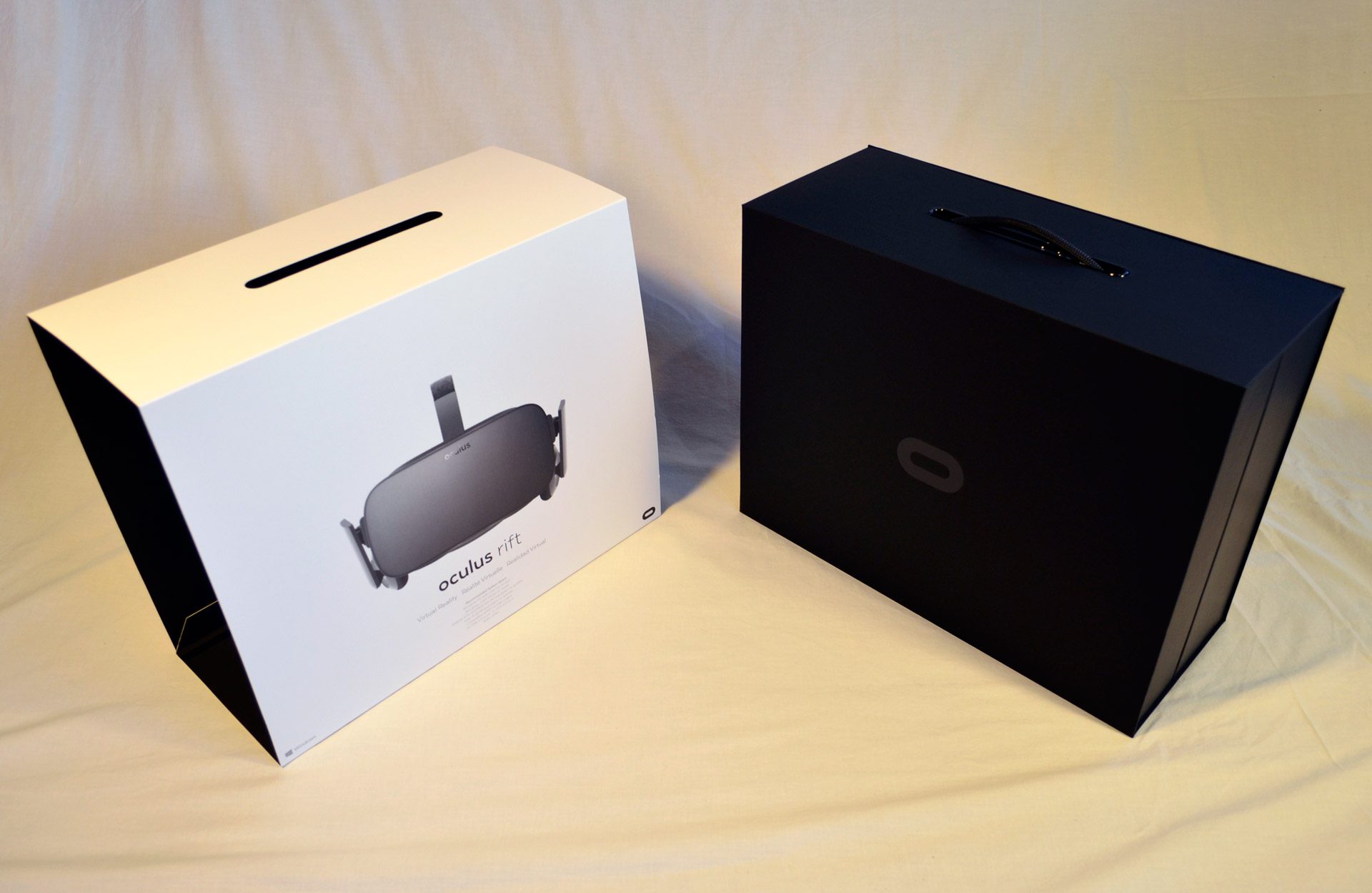 Black Friday has passed, but a few holiday VR deals remain. For a limited time, Amazon is offering a $100 gift card with every Rift purchase.