
Official Gear VR Screen Capture Solution Coming Soon
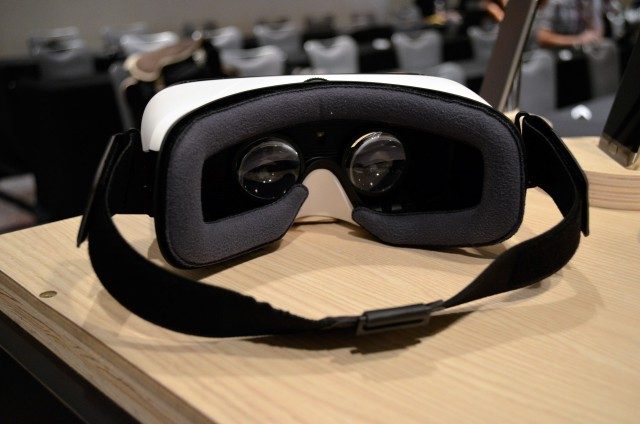
Oculus CTO John Carmack confirmed that an official screen capture solution is on the way to Samsung’s Gear VR headset, pending a future update, in response to a question on Twitter.
Oculus CTO John Carmack confirmed that an official screen capture solution is on the way to Samsung’s Gear VR headset, pending a future update, in response to a question on Twitter.

For ‘causal’ virtual reality to take off—the kind that you and I can create and share as easily as we do with photos today—it needs to be accessible. Google Cardboard has made important strides in introducing people to the low end of the immersive spectrum, but there’s still a lot of friction in the user experience, on both the software and hardware ends. Figment VR aims to fix the latter.
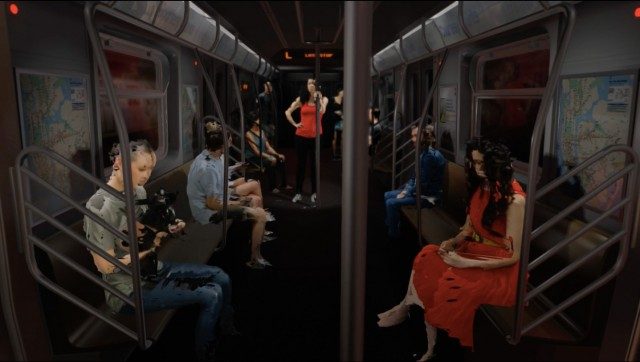
Blackout is a narrative virtual reality experience from creative studio Specular which merges a real-time game environment with depth-captured subjects, set in New York City’s subway. Having completed principal photography, the studio’s Kickstarter campaign aims to finish production for deployment on desktop and mobile VR platforms.
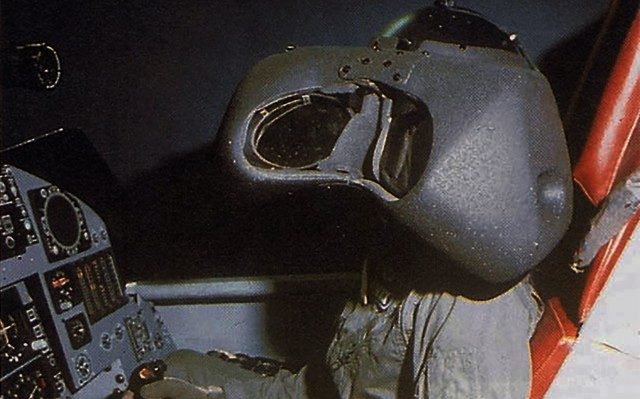
 Tom Furness has been pioneering virtual and augmented reality for the past 50 years, longer than almost anyone else in the world. He has an amazing history that started back in 1966 while he was in the Air Force building some of the first helmet-mounted displays, visually-coupled systems, and eventually the Super Cockpit. Furness eventually left the military to “beat his swords into plowshares” and bring these virtual reality technologies to the larger public by starting the Human Interface Technology Lab at the University of Washington, which has been doing original research to validate the efficacy of VR for everything ranging from medicine, education, and training. He also helped invent the virtual retinal display technology in the early 90s, which is being used as some of the basis of Magic Leap’s lightfield display technologies. Tom has continued to be a virtual reality visionary, and has some pretty inspiring ideas the future of the metaverse and education through the Virtual World Society.
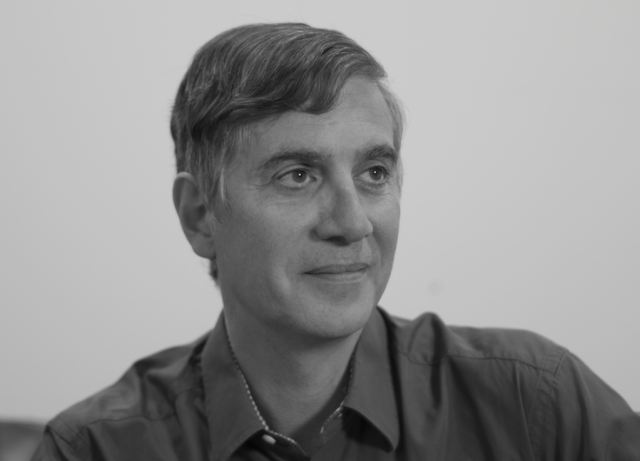
Oculus CTO John Carmack has been working on a VR scripting environment called—simply enough—VrScript. After getting a glimpse of the environment at Oculus Connect, Tony Parisi had some thoughts to share.

Convrge, the virtual reality social platform known for hosting one of the largest gatherings in social VR history—a shared viewing of the Oculus’ pre-E3 event—is now taking the online space in a new direction, one that is decidedly much more intimate in size. The team is calling it Convrge Cinemas.
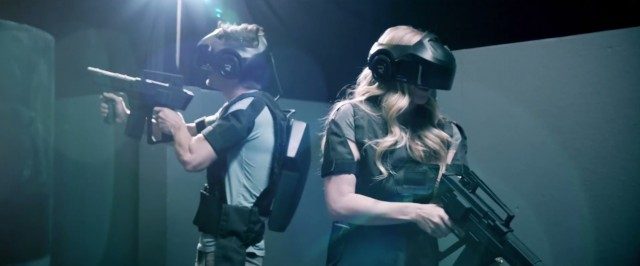
The latest in a semi-regular series of features where Kevin Williams covers the wider aspects of the re-emergence of virtual reality development in consumer and commercial entertainment. In this special feature Kevin gets a chance to try one of the most anticipated VR applications in the entertainment sphere, the virtual reality theme park called The VOID.

Social virtual reality platform AltspaceVR have today announced they’re partnering with Wizards of the Coast, publisher of Dungeons and Dragons, to bring the brand into virtual reality, retaining the social aspects that makes the table-top incarnations so popular.

 Google’s interest in VR has been steadily growing, reaching a recent climax back in May during the company’s annual ‘I/O 2015’ conference where they announced a slew of new VR initiatives including ‘Jump’ for VR video.
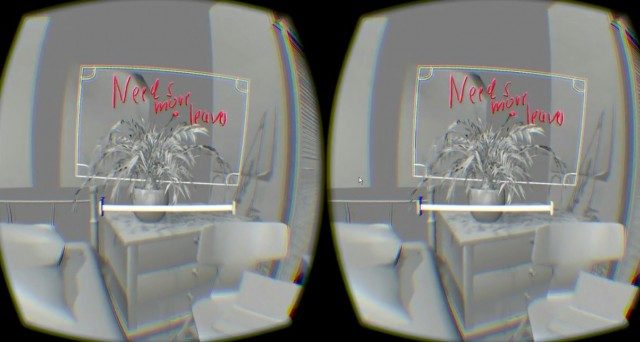
Fabric Engine is an authoring tool-set for easing the visualisation and building of content in virtual spaces. The team behind the project have built what they claim is a suite of software which helps quickly iterate on designs for interactive applications and stories by presenting the creation inside virtual reality.
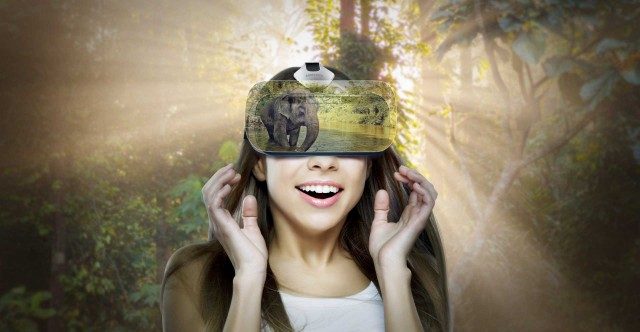
One of the most expensive and time-consuming parts of demoing at a VR event is outfitting enough demo stations. Too few and you’ll have a long line of unhappy people, but at $700+ for a GearVR/Galaxy S6 combo, it’s expensive to have more than a couple at most. And this assumes you’re a VR professional. What if you simply want to show off VR demos as part of your corporate event or birthday party without the hassle?
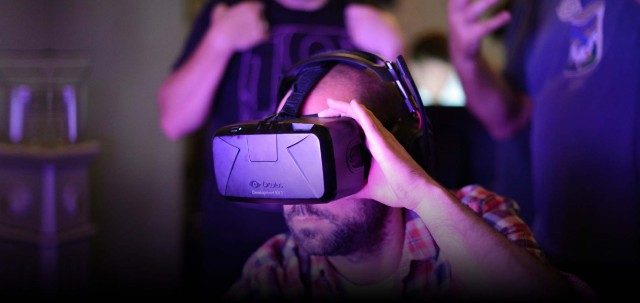
The appetite for virtual reality industry gatherings seem to be insatiable at the moment. UK based SouthWest VR just announced that it’s last sell-out event was so successful, they’re re-branding it with a view to expand its global appeal. What’s more, they’ve just opened submissions for talks for those interested in speaking at the conference.

Oculus launched the latest beta version of their dedicated Audio SDK on the 5th November, bringing a selection of new features and the version up to 1.0. Check inside for the release notes.

Layla Mah is the lead architect of virtual reality and advanced rendering at AMD. She talks about AMD’s LiquidVR technology built to help bring comfort, compatibility and content to virtual reality. VR requires a lot of graphics processing resources, and Layla has been looking at different architectures, scaling strategies, and display technologies that can meet the growing graphic processing demands. AMD is not only making sure that VR can work out of the box today, but also continuing to innovate in order to meet the growing graphics demands of VR over the next 5-10 years. She talks about some of the GPU hardware innovations, multi-GPU strategies, overcoming the limits of LCD displays with virtual retina displays and digital lightfield technologies, as well as how the game engine will need to evolve in order to handle up to 16 GPUs.