
Meta Sold Over 7 Million Smart Glasses Last Year, Effectively Tripling Sales in 2025 Alone

EssilorLuxottica reported its Q4 2025 financial results, revealing the company sold over seven million smart glasses last year.
EssilorLuxottica reported its Q4 2025 financial results, revealing the company sold over seven million smart glasses last year.

Triangle Factory announced that its Battlefield-inspired VR shooter Forefront is finally coming to PSVR 2.

Cloud Imperium Games (CIG) added experimental PC VR support to Star Citizen late last year, taking a first step in fulfilling a more than decade-old promise. Things are getting increasingly serious though after the release of its second post-VR update.

If you’re comfortable mucking around with a new open source project, you could be shopping on Amazon just by looking at an object with your Ray-Ban Meta smart glasses.

The studio behind GOLF+ (2020) is aiming to expand the game this year in a bid to solve some of the most persistent problems in off-course golfing simulators: building real-world muscle memory in a virtual environment.
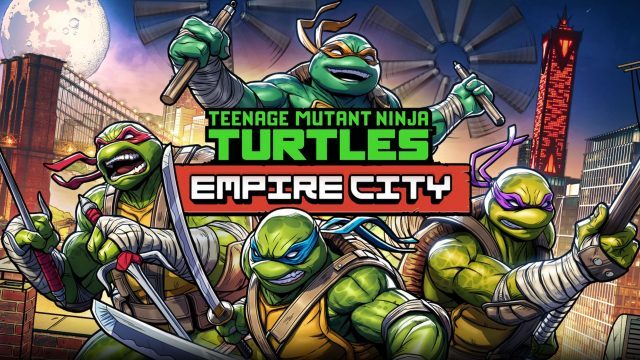
Cortopia Studios and Beyond Frames Entertainment announced that Teenage Mutant Ninja Turtles: Empire City is coming to Quest 3, SteamVR and Pico headsets this Spring.
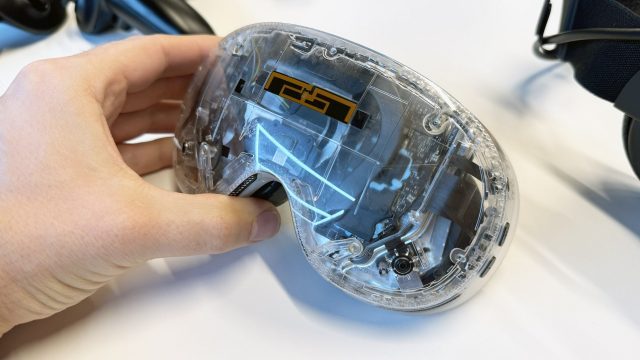
Steam Frame is still shipping sometime in the first half of 2026, although now Valve says the current component shortage has led the company to revise both price and release date of the standalone VR headset.
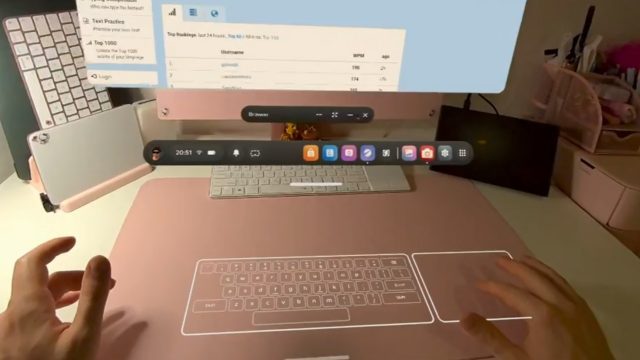
Meta released a new update for Quest that brings a host of new features, including a new ‘Surface Keyboard’ that lets you type on any flat surface.
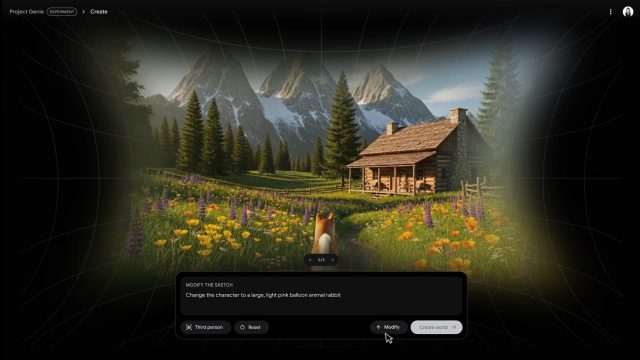
DeepMind, Google’s AI research lab, announced Genie 3 last August, showing off an AI system capable of generating interactive virtual environments in real-time. Now, Google has released an experimental prototype that Google AI subscribers can try today. Granted, you can’t generate VR world on the fly just yet, but we’re getting tantalizingly close.
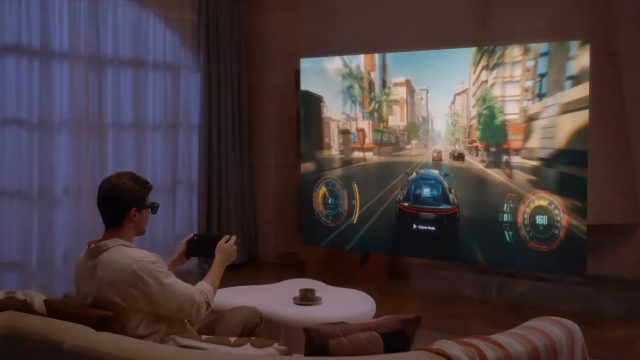
XREAL has rolled out a real-time 3D conversion feature to its flagship AR glasses, which the company says converts any 2D content to 3D.

Snapchat maker Snap announced it’s formed a new business dedicated to its upcoming AR glasses.

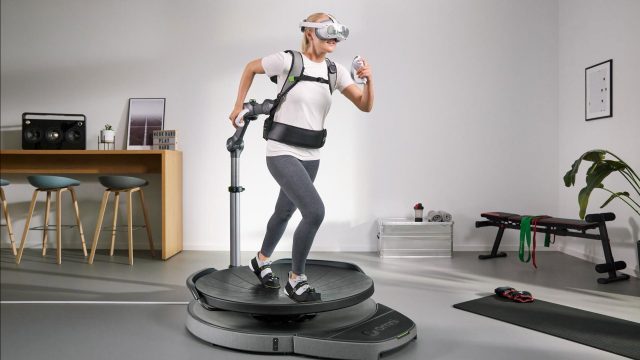
VR treadmill creator Virtuix is going public, as its Class A ordinary shares will start trading today on the Global Market tier of the Nasdaq. The company’s stock market debut comes as consumer VR investment and first-party content spending have slowed across the industry.
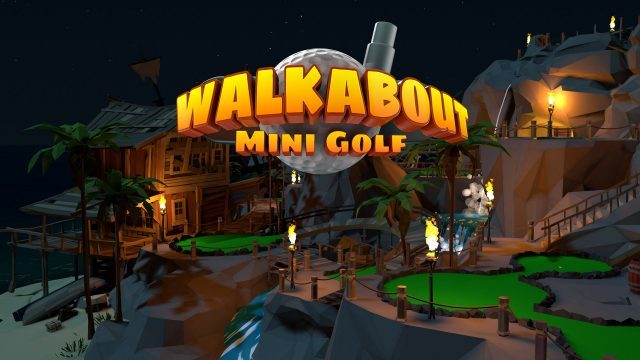
Mighty Coconut, the indie studio behind Walkabout Mini Golf (2020), announced it’s reduced headcount by 25% n addition to raising future DLC prices to offset costs.

Meta CTO Andrew Bosworth offered the first bit of insight into the company’s recent Reality Labs shakeup, publicly acknowledging that Meta’s metaverse efforts suffered from a “lack of focus” that ultimately hurt the user experience on Quest.