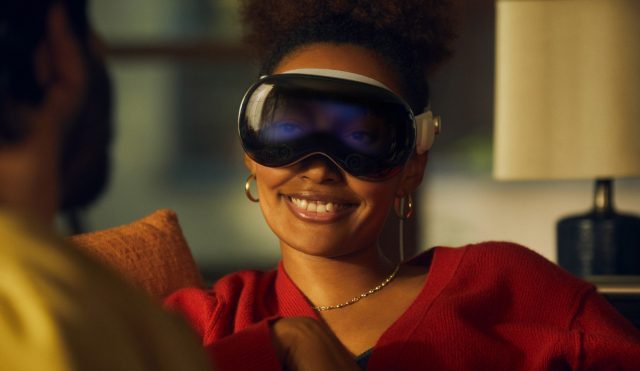
Apple is turning on the hype machine for Vision Pro, its first mixed reality headset which is set to release early next month for $3,500. Apple’s marketing department is undeniably one of the world’s strongest, but it’s attempting one of the most difficult feats with the headset’s first real advert: to make wearing goggles cool.
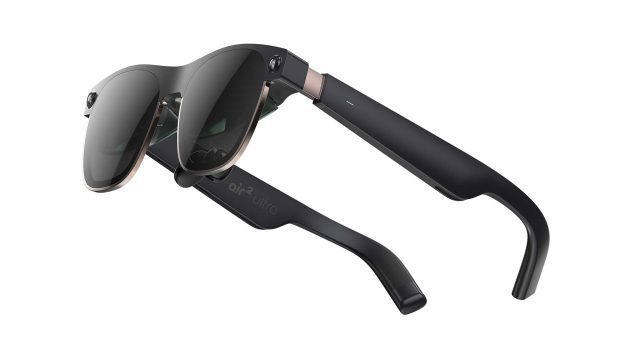
China-based XR company Xreal (previously Nreal) announced its newest pair of glasses at CES 2024, marking the company’s return to augmented reality right as Apple is prepping its $3,500 Vision Pro for its upcoming launch.
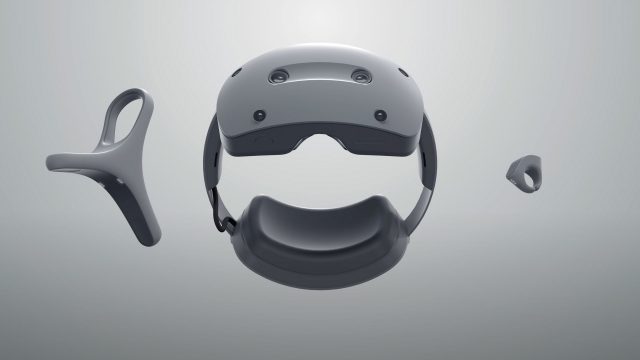
Today at CES Sony revealed a new standalone MR headset equipped with “4K” OLED displays. The headset is yet-unnamed, but the company says it’s aimed at creatives building 3D content and will launch this year.
The Wi-Fi Alliance announced today that Wi-Fi 7 Certified products are ready to hit the market. The latest version of the Wi-Fi standard promises the possibility of “near-zero” latency for real-time applications like wireless VR streaming.
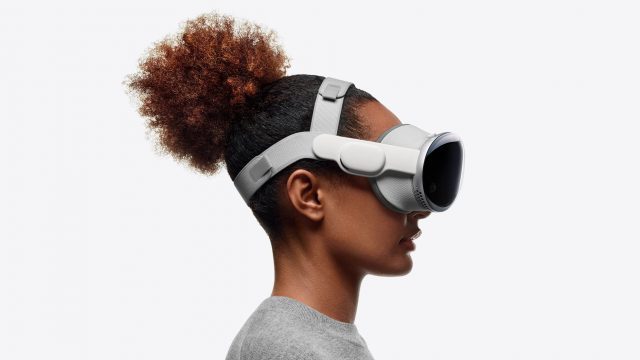
Alongside the release date announcement of Vision Pro, Apple revealed a new headstrap that will ship with Vision Pro, alongside the originally revealed one.
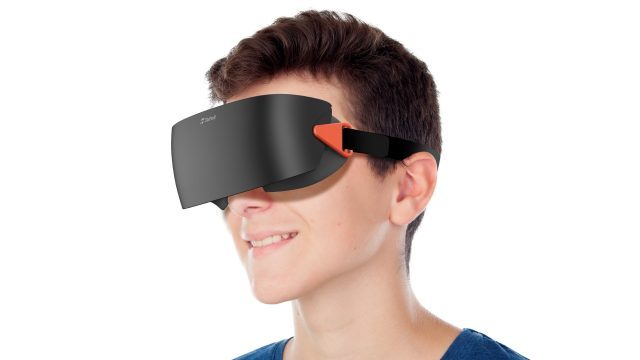
Panasonic subsidiary Shiftall announced it’s releasing a new version of its MeganeX PC VR headset along with the next generation of its HaritoraX wireless body trackers.
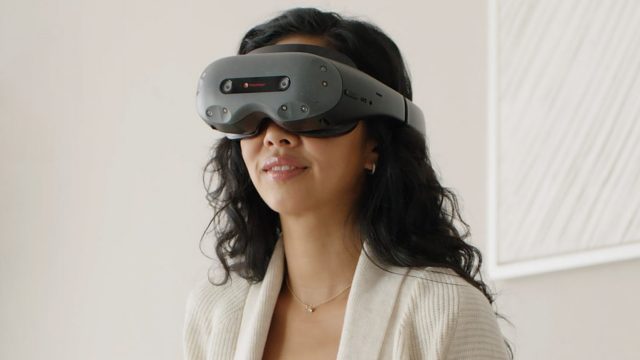
Alongside the announcement of the new Snapdragon XR2+ Gen 2 chip, Qualcomm also revealed its latest reference headset, a mixed reality device that’s likely the foundation of Samsung’s upcoming headset.
Industry Direct is our program for sponsors who want to speak directly to the Road to VR newsletter audience. Industry Direct posts are written by sponsors with no involvement from the Road to VR editorial team. Links to these posts appear only in our newsletter and do not intermix with our on-site editorial feed. Industry Direct sponsors help make Road to VR possible.
In the ever-evolving fitness industry, adding Extended Reality (XR) to the mix has opened up some cool new possibilities to get a sweat. From Virtual Reality Zumba classes to gamified Augmented Reality workouts, XR fitness allows you to get in a physically demanding session from the comfort of your own home.
If you’re a developer looking to build the next wave of epic fitness apps, XR and Artificial Intelligence (AI) is what you need. Combined, these technologies can provide users with personalized workout programs and guide their fitness journey with immersive coaching like never before.
App in Action: AI-based Fitness AR Routine with Litesport
Machine learning, computer vision and a combination of powerful perception technologies are not buzz words here, they help developers capture data from a workout and turn into AI-powered personal trainer apps at the users’ fingertips, only less expensive.
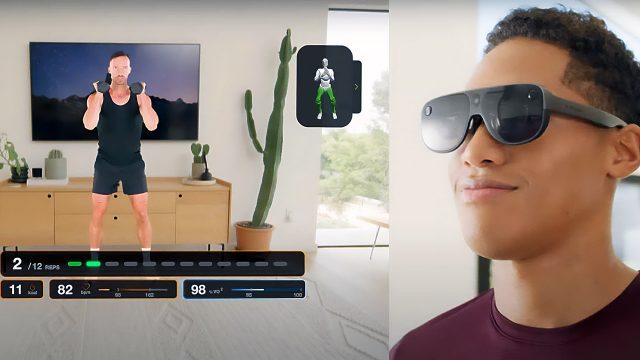
At Snapdragon Summit in October 2023, Litesport inspired the audience with an AI-based fitness application paired with wireless AR smart glasses. The company develops fitness applications that use VR, MR, and AR to enhance the way people exercise.
Litesport’s demo combined AR, biometric feedback, and AI pose detection algorithms paving the way for fitness apps for the next generation of XR-powered fitness apps. The cross-device AR experience leverages the Snapdragon Spaces™ XR Developer Platform, a smartphone, smartwatch, and AR glasses ecosystem, all powered by Snapdragon® chipsets.
The app really makes you sweat! An AI-powered fitness coach provides real-time feedback on your technique, mirroring the dynamics of an in-person training session. The AI algorithm utilizes the smartphone camera to track and display your movements, ensuring accurate form and offering contextual trainer feedback. Additionally, with the integration of a smartwatch, the app accesses biometric data, offering a holistic view of your workout performance along with personalized reminders and suggestions.
Building Your Own AI-powered Fitness App in 2024
As the fitness industry continues to embrace XR and AI, developers like LiteSport will play a crucial role in shaping the future of personalized and immersive workout experiences.
To incentivize more developers to create cross-device experiences, Snapdragon Spaces has begun working on a new initiative called Snapdragon Seamless™, combining the respective technical advantages of smartphones, AR glasses and wearables.
Embrace the possibilities, experiment with AR, VR and MR, and contribute to the evolution of fitness by becoming part of our Snapdragon Spaces developer community.
First Contact Entertainment, developers behind the tactical team shooter franchise Firewall, is shuttering the studio, citing the “lack of support for VR within the industry.”
Idea Engine allows you to create and share VR and mixed reality experiences. Building such a general-purpose tool requires complex user interfaces. In this Guest Article, developer Brett Jackson shares his approaches to UI interaction.
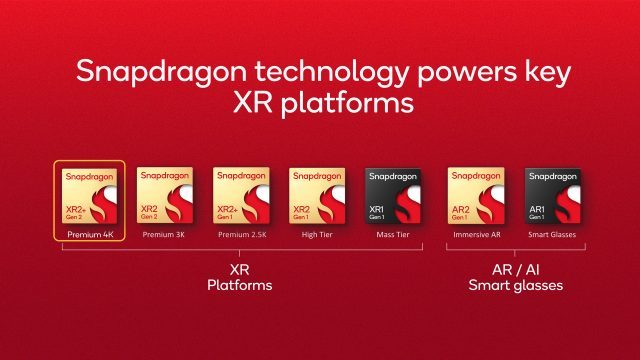
Qualcomm today announced its latest Snapdragon XR chip, the XR2+ Gen 2, a more capable variant of the chip that powers Quest 3. The company also hints that it will be used in the upcoming Samsung-Google headset.
Somehow another year has come and gone. 2024 will mark the 13th year that we’ve been following this XR journey here at Road to VR. With an eye on that long-term perspective, it’s once again time to reflect on the biggest stories of the last year and to talk about what’s on the horizon.