News Bits: MemoRift the VR Emulator Interface – Demo Now Available For Download

0

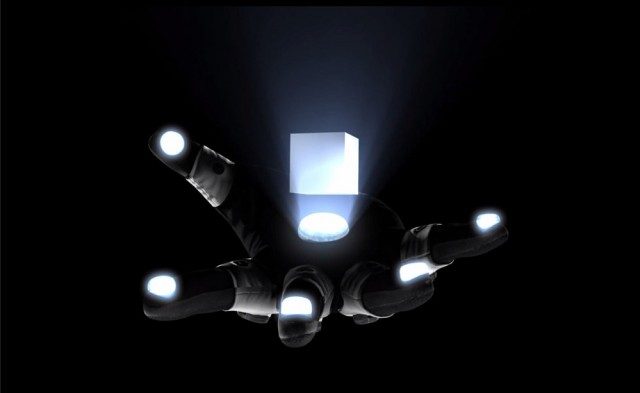
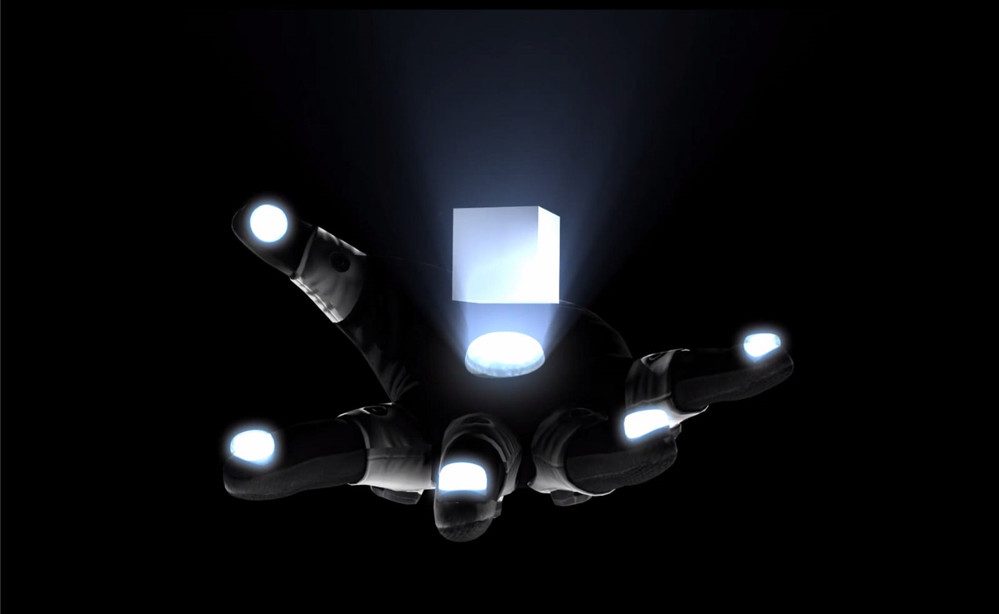
We reported on MemoRift a little while back and admired it’s approach to providing users looking for a virtual reality room in which to experience your nostalgic applications within.

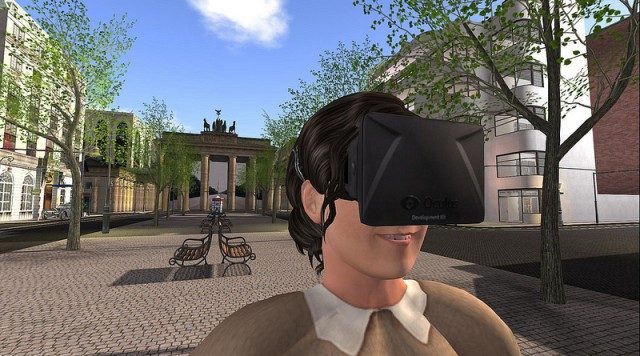
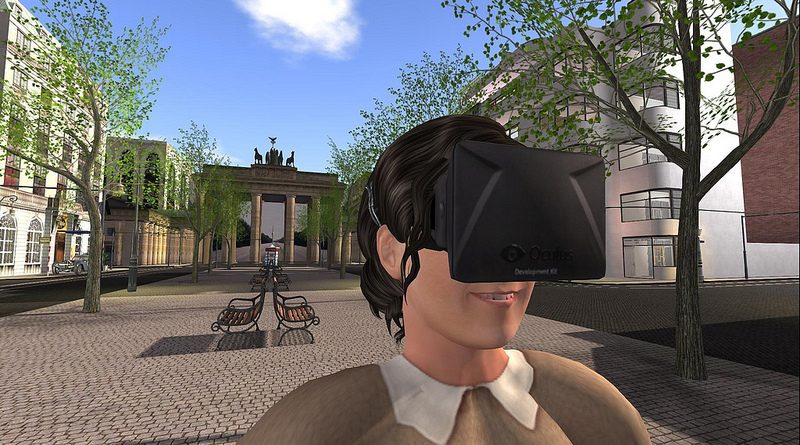
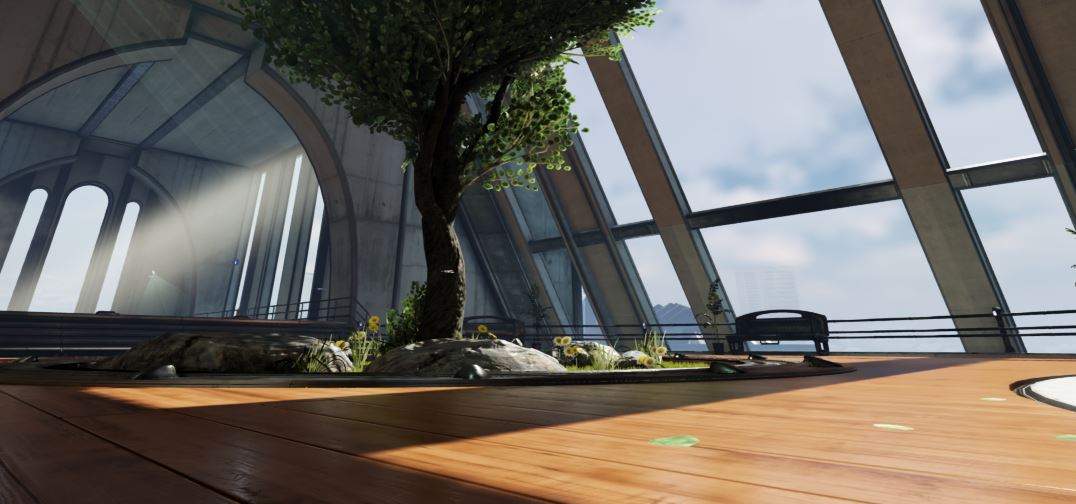
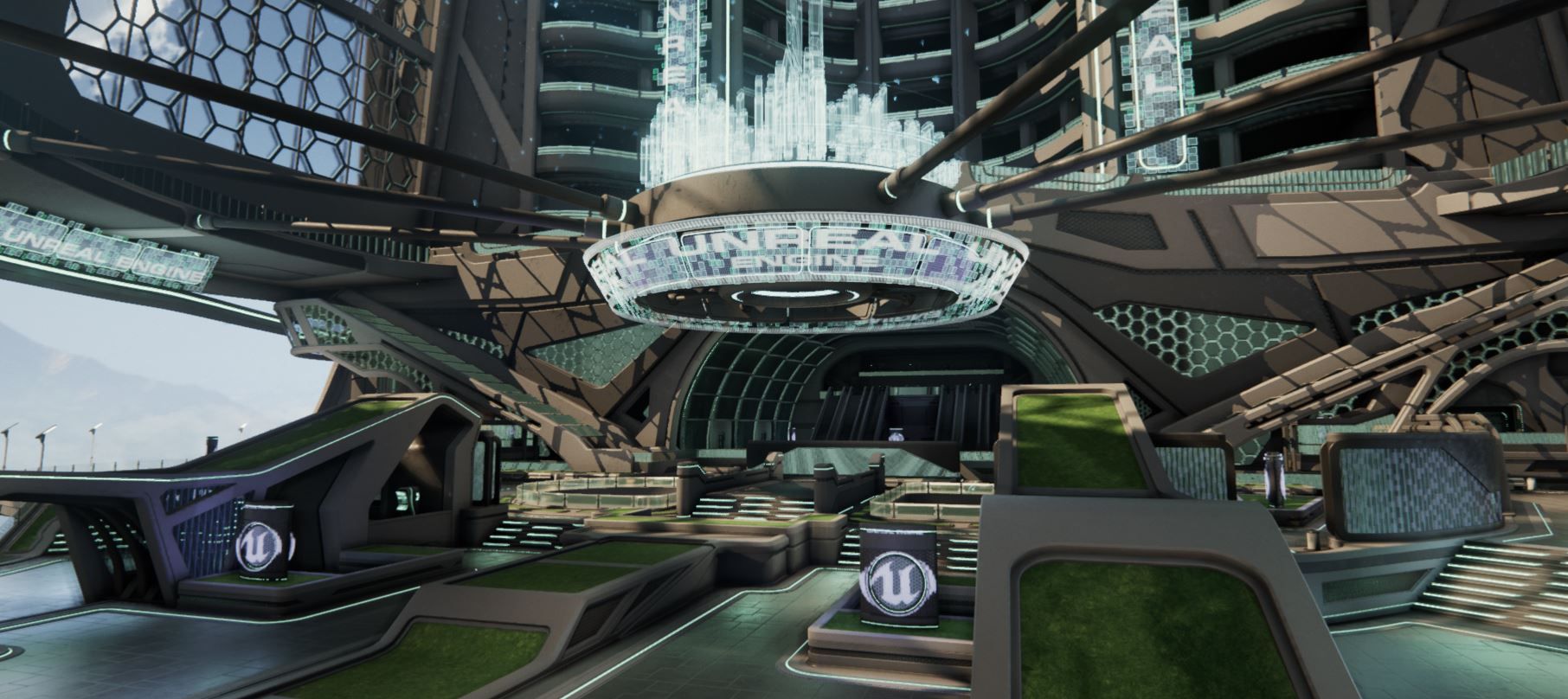
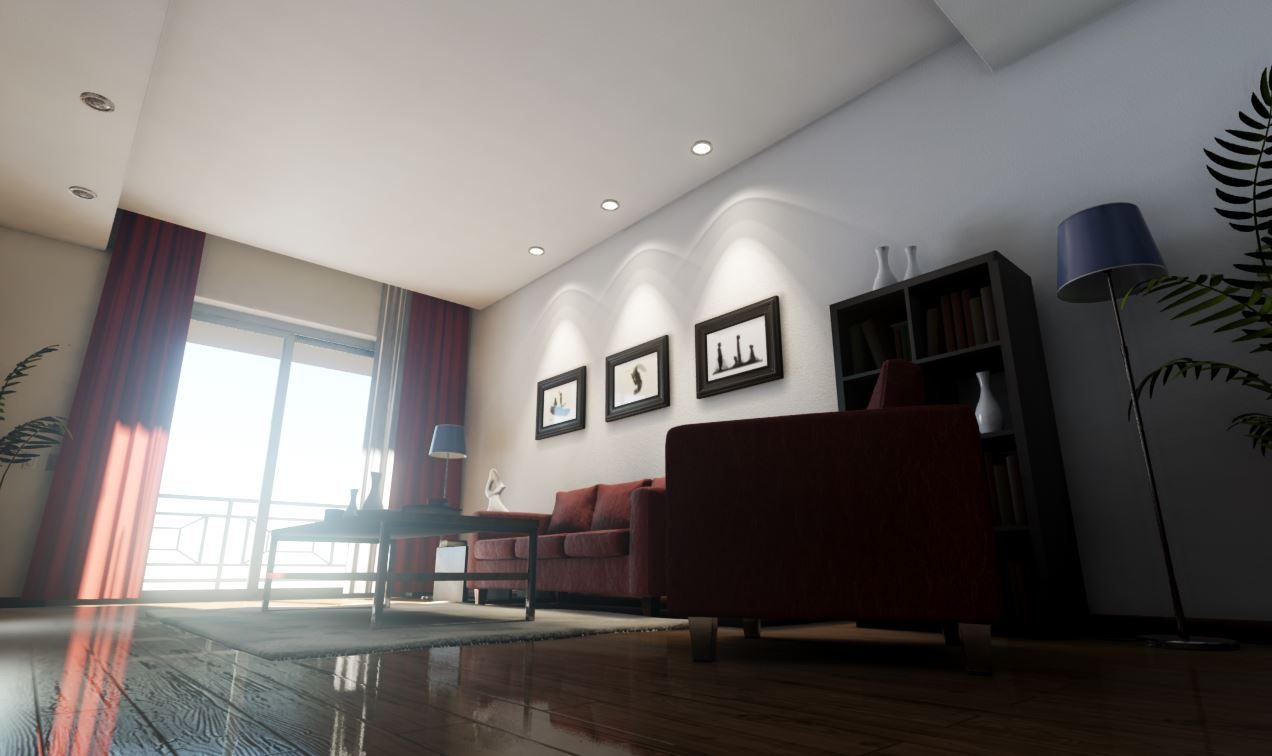
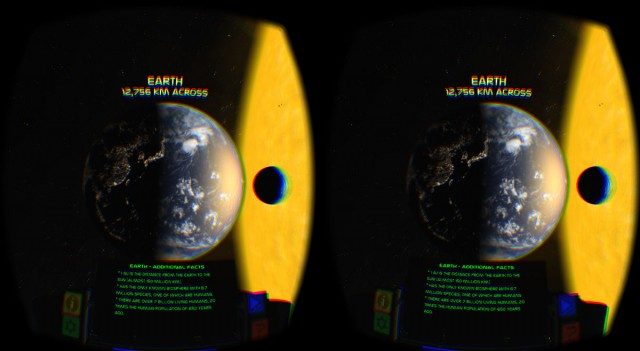
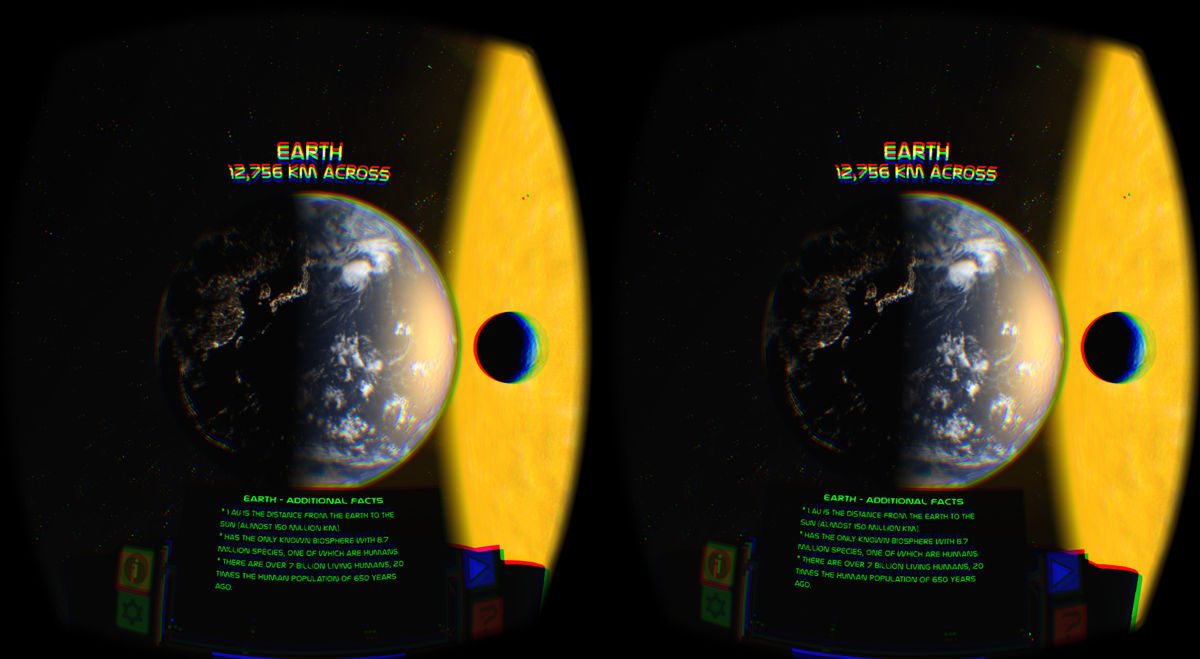
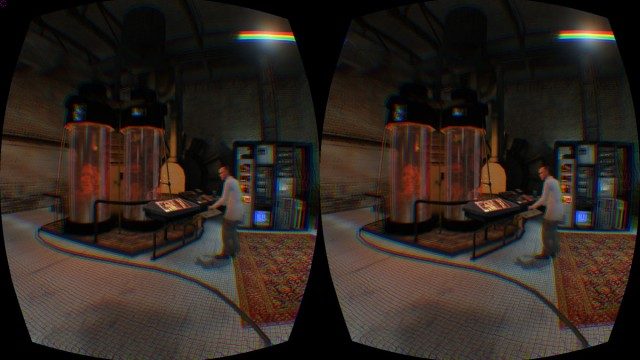
We bring good news. MemoRift R1 is now available from their website and ships with a demo room and “several freeware \ shareware and public domain material”. We’ve not had a chance to get to grips with the new demo or it’s intricacies, but there are options to strap in your own emulators via the config file. We have included some screens above for your perusal, one of which demonstrates the neat idea of looping video mapped to an arcade unit as a performant way of showing an attract screen.

Let us know how you get on with the demo and any tips on config entries you’d like to share in the comments below.

Firefox Gets VR API For Browser-based Virtual Reality, Early Developer Examples Emerge

2

firefox_logo-only_RGBThose who are old enough to remember VRML, will recall that the the technology rode the wave of virtual reality hype in the 90’s, fusing the burgeoning world wide web with a vision of dragging the Metaverse from the pages of fiction to consumer reality. The dream died when virtual reality as a technology failed to gain traction in and the movement fell out of favour with technologists. The idea behind VRML’s ambitions however lived on.

Now of course, virtual reality is experiencing its renaissance, growing stronger and faster and presenting the best chance yet of its technology and ideas finding a place in reality. Although VRML is all but dead, its successor, X3D has actually made significant inroads into establishing standards for programmers to render accelerated 3D in browsers, but the public push to encourage adoption of these technologies remained absent.

Vladimir_Vukićević
Vladimir Vukićević, one of the Architects of WebGL

Now it seems that the Mozilla Foundation wants to take VR’s new found lease of life and kickstart the browser based VR movement. In a recent blog post Vladimir Vukićević, a well known graphics programmer who has worked extensively on accelerated 3D technologies for the web, including the formation of the WebGL standard, has announced a set of new APIs to do just that. He writes:

There has been a lot of excitement around Virtual Reality recently, with good reason. Display devices such as the Oculus Rift and input devices such as the Leap Motion, PrioVR, Sixense Stem and many others are creating a strong ecosystem where a high-quality, consumer-level VR experience can be delivered.

And alludes to that reignition of the dream to realise the Metaverse:

The opportunity for VR on the Web is particularly exciting. The Web is a vibrant, connected universe where many different types of experiences can be created and shared. People can be productive, have fun and learn all from within their browser. It is, arguably, an early version of the Metaverse — the browser is the portal through which we access it. It’s not perfect, though, and lacks many of the “virtual” and “immersive” aspects. Given that, could we not expand the Web to include the immersive elements of a fully three-dimensional virtual universe? Is it possible for the Web to evolve to become the Metaverse that Stephenson envisioned?

He then goes on to detail that the new project aims to add support for virtual reality hardware devices so that programmers can present virtual reality content direct from a user’s browsers. Beginning with experimental builds of the Firefox browser, the 2nd most popular – 2nd only to Google’s Chrome, the aim is to add these initial features:

  • Rendering Canvas (WebGL or 2D) to VR output devices
  • Rendering 3D Video to VR output devices (as directly as possible)
  • Rendering HTML (DOM+CSS) content to VR output devices – taking advantage of existing CSS features such as 3D transforms
  • Mixing WebGL-rendered 3D Content with DOM rendered 3D-transformed content in a single 3D space
  • Receiving input from orientation and position sensors, with a focus on reducing latency from input/render to final presentation
vrrenderer
Simple example of Firefox’s VR API in action, courtesy of the tutorial at tyrovr.com

The core aim is to make any virtual reality hardware devices connected when running VR enabled content, transparent to the code behind the application – enabling apps rendering using WebGL and Canvas to seamlessly fire up a view in whatever HMD is connected.

It’s early days yet, but already developers have spring into life with examples of the new standard in action along with tutorials on how to get started.

Browser support enabling easily accessibly and extensible web content designed for virtual reality is a significant and important step. The bridging of immersive technology and the access to networked information steps us closer to realising an accessible Metaverse for all.

News Bits: Google I/O Cardboard Talk Video Released

4

As we reported recently, Google fair shook up the mobile and VR world a few days ago by releasing a new venture designed to highlight and push virtual reality on it’s Android mobile operating system.

Google Cardboard is a low cost, VR Viewer solution that uses your Android mobile phone to deliver 3D VR style experiences via specialised applications leveraging new software toolkits launched alongside the Cardboard project.

Google have now posted the full Cardboard talk which explains the web giant’s hopes and reasons for the project. The talk goes into detail on the origins of the Cardboard project from rough concept to .. slightly less rough final design. It also highlights some of the early demo applications produced or modified by Google to show off Cardboard, such as Google Earth, Street View and highlights the APIs in Google’s VR Toolkit for developers to get started coding for Cardboard quickly.

It’s a really interesting talk and an interesting further affirmation that virtual reality is increasing in presence across industries.

News Bits: Cyber Space VR Theme Park Ride Simulator Now Lets You Eject, World Scale Fixed

0

We reported on RiftAway’s venture into white knuckle fantasy ride simulator Cyber Space a little while ago and mused on it’s potential status as the ultimate in testing your VR Legs.

Now, RiftAway has released a new version of the demo which allows the player to eject from the virtual ride mid-air, flinging your ragdoll avatar 100s of feet from the ride whilst your peer on through your Oculus Rift.

Additionally, apparently RiftAway world scale has also been tweaked, bringing your 3D view of the ride’s terror into line with your brain’s expectations. Such an enhancement will surely only heighten the demo’s power to demonstrate just how willingly your mind can accept that you really are on this ride from hell.

You can grab the new version of the demo here, and check out more of RiftAway’s other Oculus Rift demos here.

Google Adds Virtual Reality Street View Mode to Google Maps for Android

4

google maps virtual reality street view

With the launch of Google’s Cardboard VR smartphone adapter at Google I/O 2014 earlier this week, the company hopes to kickstart VR development for Android. In addition to the Cardboard app, Google has pushed out and updated version of Google Maps which includes a VR mode for Street View.

SVVR Meetup #11 Happens Tonight – Join the Live Stream Online or in Virtual Reality

6

svvr white

Road to VR’s Brian Hart will be live streaming the 11th gathering of the Silicon Valley Virtual Reality Meetup tonight, starting at 7:00pm PDT. The event will be broadcast online and in virtual reality through Riftmax.

VR Philly to Host Philadelphia’s First Virtual Reality Meetup on July 2nd

2

West coasters are a lucky bunch, the growing popularity of virtual reality has brought forth plenty of great community gatherings to choose from—SVVR, VRLA, SFVR, and OCVR—just to name a few. Now, the East Coast is getting into the spirit. VR Philly will hold Philadelphia’s first public VR Meetup next week on July 2nd.

News Bits: Hang Out With Optimus Prime In This New Oculus Rift Demo

2

optimus-primeAs we reported yesterday with Benjamin Teitler’s impressive mo-capped Lightsaber demo for the Oculus Rift, re-living your fantasies of youth can be made reality through the power of VR.

Now, developer Tipatat, who was behind the recent Matrix Oculus rift demo, has released an early version of a demo which features Optimus Prime, as he appeared in generation one of the cartoon series. OK, so there’s not much to do except walk around and stare at his magnificence, but it’s an interesting demonstration of how effective the communication of scale is in virtual reality in comparison to traditional, monitor based gaming.

You can download the new demo at Tipatat’s website here.

Now, what childhood TV favourites would you recreate in virtual reality? Let us know in the comments.

‘Walkmouse’ is an Elegant, Untethered, Motorised Omni-Directional Treadmill

6

If someone had come to me three years ago and said “Omni-directional treadmills, they’ll be a thing soon” – I’d have laughed in their faces. Three years on and whilst input devices that aim to take natural walking, running input from the human body aren’t quite ten a penny, you can feel industrious souls like Virtuix and Cyberith working towards what they believe is another missing piece in the VR puzzle.

Both treadmill solutions have their strengths and weaknesses, but they share at least one gripe between them – you need to be strapped rather unnaturally into the device – not only for safety but as a fundamental operation requirement for the technology to work.

A few days ago, Olav Sandnes from a company called Walkmouse got in touch to tell us about his company’s device, also handily called Walkmouse, and it approaches the problem of user locomotion in a very different but rather refreshing way.

The device itself is circular, just 65mm tall and a radius of 900mm, weighing around 72kg and is a rather elegant looking device compared with the necessarily ugly excesses of the Omni or the Virtulizer for example. The device houses 100s of motorised spirals which detect traction and respond by spinning under your feet to simulate the ground moving underneath them. At the same time, the unit reads input data from your actions which can be fed into an application or game experience. And, the company is now actively working with the Oculus Rift to combine the two technologies, producing quite a potent package. Walkmouse also comes in walkmouse-cutawaya larger 1.2M radius version, designed for longer stride activity – appropriately entitled ‘RunMouse’.

I know what you’re thinking, “this thing is surely a deathtrap when you’re eyes and ears are covered?!” – I put just this question to Olav; “I think then main reason why we feel comfortable is how the WalkMouse works. You do a 10 min training session without HMD just to get used to how the unit works and to accumulate trust.” he says; “Of course you start with small steps and the you increase the walking speed as you gain experience. You just walk like normal and the unit detects the acceleration and speed which is used to control the counter speed of the spirals to ensure that you will not be able to leave the unit.”

Currently, the device is primarily targeted at military and police training, the data sheet even listing ‘Small Arms, Tactial’ as one of the use cases for training. However, it’s clear that if something as large as the Virtuix Omni can be considered a commercial prospect for Virtual Reality input, then surely Walkmouse is a dead lock for the VR enthusiast market. “Right now I am afraid the batches we produce are too small to justify sensible consumer pricing so right now we are in the professional segment only. I can see a price down the road in the 1000-2000 USD region, so the WalkMouse will not be for everybody.”

Walkmouse is a refreshing new approach to locomotion based input devices and the elegance of it’s motorised design, slim and home friendly form factor really appeal. I still have concerns over potential safety issues, but then again, the unit is so close to the ground that perhaps this is no more a concern than with untethered solution such as Survios’ Prime 3 solution. Other natural actions such as jumping and crouching also clearly will need additional add-on solutions too – but you could imagine one of these fused with a 2nd generation Kinect being a fairly compelling option.

We’ll keep in touch with Walkmouse to follow it’s progress. In the mean time, you can take a look at their website here for more information on the unit.

News Bits: Palmer Luckey Joins Community in VR Chat for Informal 2 Hour Q&A

1

VR Chat is the go-to application for socialising in virtual reality and is used extensively by the VR community for doing just that. Cymatic Bruce‘s post Live Stream meetups in VR Chat have by all accounts been a great opportunity for like minded enthusiasts to share their thoughts on the VR world.

So, it’s entirely appropriate then that at the most recent VR Chat event, Palmer Luckey turned up unannounced and informally held court whilst other participants quizzed him on all manner of subjects ranging from Celebrity calls to the Oculus offices requesting demos to Oculus’ stance on trademarking their technologies.

VRChat is, as it’s name suggests, a virtual chat application that allows users to connect to and inhabit virtual spaces, embodying virtual avatars and speaking with each other using realtime voice comms.

It’s a great example of Oculus’ and Palmer’s willingness to share and enthusiasm for the VR Community that this even happened. Can you imagine many other company’s willing to spend two hours of their valuable time shooting the breeze with a bunch of enthusiasts?

Catch the entire stream in the video above and for a list of highlights from the event, user /u/SvenViking has compiled his highlights for your easy perusal in the /r/oculus subreddit.

You can check out VR Chat at their website right here.

Oculus VR’s Brendan Iribe: “we’re not going to sell 1 billion pairs of glasses ourselves”

4
brendan-iribe
Brendan Iribe, CEO of Oculus VR

In a report from Bloomberg, Oculus VR‘s model for expansion and fulfilling it’s long term objective, to have 1 Billion users in Virtual Reality, it’s choosing to adopt a proven method borne out by the success of Google’s Android platform.

Iribe made it clear that Oculus, even with Facebook’s backing, isn’t big enough to tackle this daunting task by itself. “If we do want to get a billion people on virtual reality, which is our goal, we’re not going to sell 1 billion pairs of glasses ourselves” told Bloomberg. “We are openly talking to any kind of partner that wants to jump into VR, and there’s a lot of interest right now.”

It makes sense that Oculus would follow the predominately open licensing model Android have successfully used to push Android to 900 Million activated devices. Concentrating on getting Virtual Reality right first though is still the company’s critical objective. “We need to get it right before we engage and work with other people” Iribe says.

The journey to get that VR offering right for consumers starts another leg in July, when Oculus plans to ship 20-30,000 Developer Kit 2 (DK2) units to those who pre-ordered from March when the unit was announced. But the details of how Oculus will tackle this expansion model is as yet unclear. It’s unlikely Android’s ability to run on any hardware that chooses to adopt it will work with VR due to the tight constraints required to ensure the hardware delivers the best experience possible. Doubtless we’ll find out once we know more about the consumer release, which up to now Oculus have remained tight lipped over.

News Bits: ADR1FT Developer Receives Early DK2 Unit

3
505 Games' DK2 Unit
ThreeOneZero’s DK2 Unit

It’s getting closer. In March, Oculus VR opened pre-orders for their follow-up to their debut VR Headset the DK1. Developer Kit 2 (DK2) ships in July and features positional tracking and an 1080p panel with low persistence of vision technology.

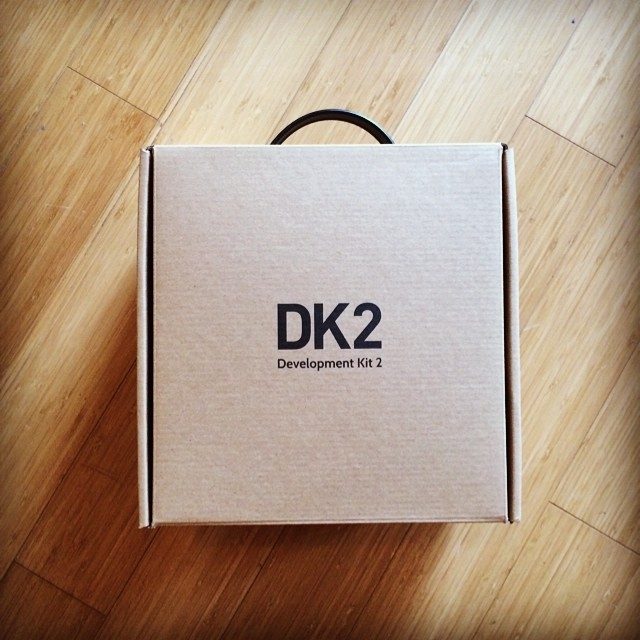
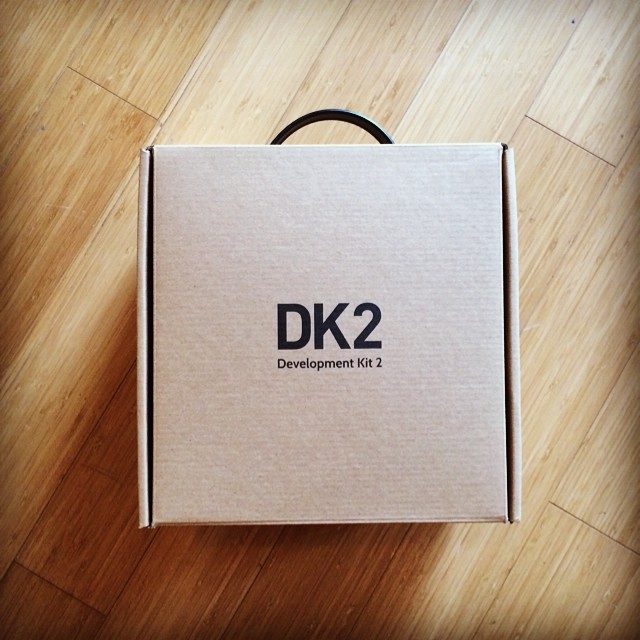
Now, threeonezero – the developer of first person experience ADR1FT, telling the story of an astronaut in peril – have Instagram’ed one of the first DK2 units seen in the wild. Oculus have of course stated that around 100 key developers would be receiving early versions of the DK2, perhaps this is one of those units – perhaps there’s a fresh batch on hand as Oculus nears it’s expected DK2 ship date. Could this be the sight that greets 20-30,000 lucky DK2 pre-order owners in July?

In either case, ADR1FT has already been demonstrated with Oculus Rift support and it looks to be exactly the sort of emergent experience Oculus VR seems keen to encourage as they roll towards their consumer release. You can take a closer look at ADR1FT in the shots below.

‘Hello, Again’ by Director Chris Milk is a Revolutionary Virtual Reality Concert Experience Featuring Beck

1

Director Chris Milk was tasked by Lincoln to reimagine the concert experience, and reimagine it he did. Milk’s audacious project, Hello, Again, featuring Beck, is an incredible interactive concert experience that’s best viewed through the Oculus Rift. I recently had a chance to put my head inside Hello, Again to witness a concert like I’ve never never seen before. The result of Milk’s work is revolutionary in more ways than one.

News Bits: DODOcase Offers Everything You Need For Google Cardboard, Only Cheaper

2

Slice_1_1024x1024It’s been less than 24 hours since Google announced it’s Google Cardboard initiative at it’s annual I/O conference and it cause quite a stir.

Now, DodoCase.com—a specialist in premium, hand-made cases for electronic devices—have moved fairly swiftly to offer you a pre-cut google cardboard case, bundled with all the required accessories (lenses etc.) for what it reckons is a much lower cost than you could obtain by sourcing the parts yourself. Their Google Cardboard VR Toolkit retails for $19.95 and ships with the following Google Cardboard compliant bits:

  • Pre-cut cardboard
  • Lenses
  • Magnet
  • Velcro
  • Rubberband
  • Upgrade for optional NFC tag (not included in base kit)

The catch? Current estimated shipping time is 4-6 weeks, which for some may not be worth the wait. For others less willing to spend time sourcing parts from around the web.

News Bits: Impressive VR Lightsaber Video Uses the Oculus Rift and a Serious Mo-Cap Rig

12

Let’s face it, there’s a large proportion of people reading this post that hold a secret (or not so secret) desire to kick Imperial ass using nothing but the Force and a Lightsaber.

Well a hacker named Benjamin Teitler just uploaded a video of him living out that fantasy courtesy of some a custom Oculus Rift based setup and what looks to be a slightly disturbing looking motion capture dungeon.

The video features Benjamin donning a DK1 fed by a wireless HDMI feed, a super long USB cable for head tracking and a customised motion captured lightsaber stand-in. Although the video shows only a glimpse of the in-Rift results of Benjamin’s saber-twirling, it looks extremely responsive. The below video below however does show a closeup view of what looks like a custom application featuring a training drone, much like the one seen in the original Star Wars movie.  Motion capture duties are provided by 12 Optitrack Flex 13 Cameras, a serious set up and no mistake. We can’t help feel a little jealous.

We’ll see if we can find out more on the project and report back.

39,929FansLike
13,574FollowersFollow
66,541FollowersFollow
27,800SubscribersSubscribe

Latest Headlines

Features & Reviews